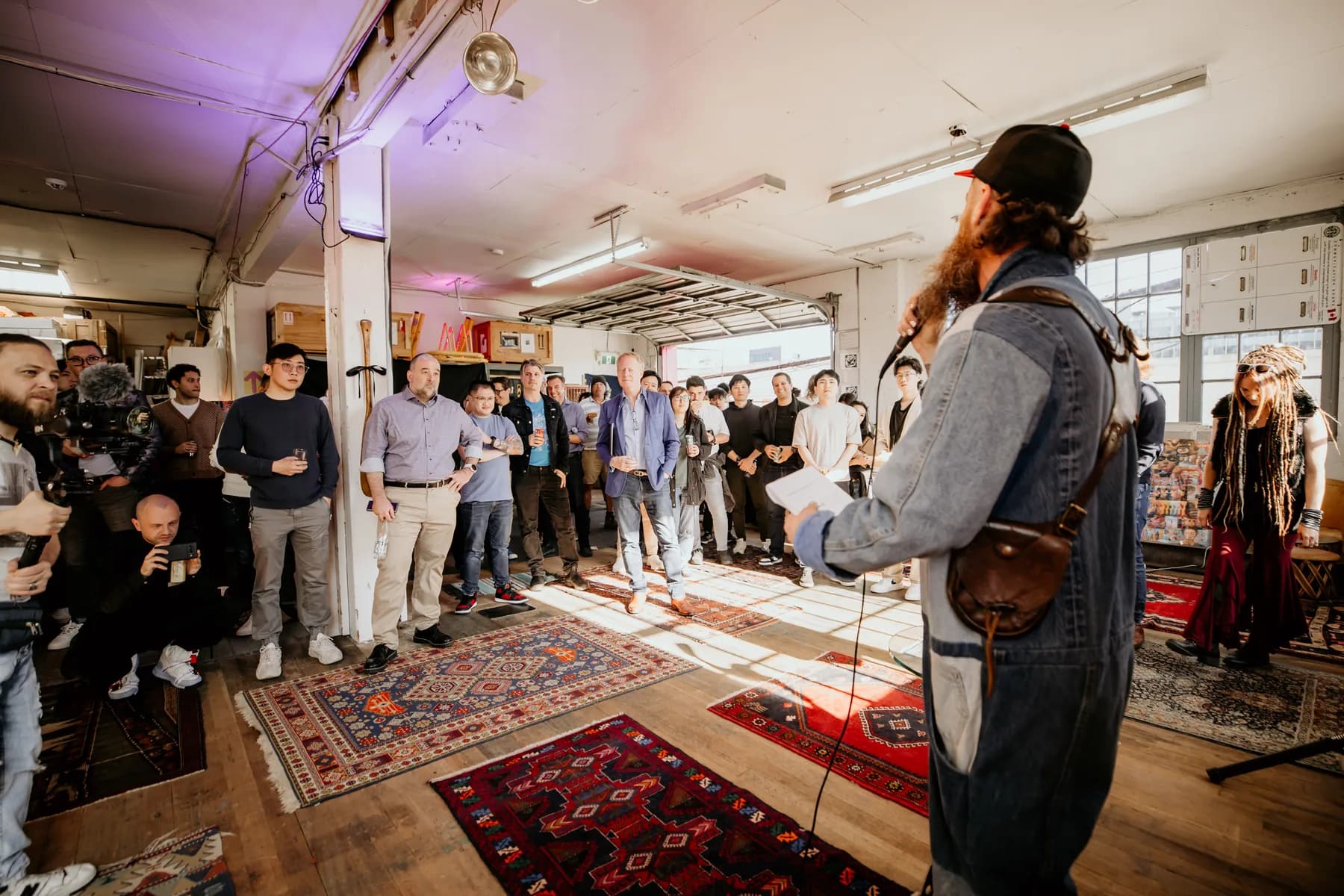
We're in Montréal for ALL IN 2026 this week, accredited as media and showing up as an association. Roughly three hundred people pay to belong to this thing, and our programming has recorded more than three thousand attendances since 2024. Some of those people come back every month.
We're writing this down before the conference so nobody has to guess what we're after. It's short. We want to meet people, we want to show our work, and we've got three asks.
Start with the nice surprise
Here's the part we keep coming back to. The federal AI Strategy Task Force produced thirty-two expert submissions from twenty-eight people. Here are six that put British Columbia into the picture. They propose different things. Taken together, they give us something concrete to work with.
- Arvind Gupta
- A fourth AI institute, physical, “say in Vancouver,” built on a hub-and-spoke model that links into the existing three rather than competing with them.
- Patrick Pichette
- Realign research by region and “focus quantum in Vancouver,” as something the country can start now by declaring intent.
- Garth Gibson
- Extend the AI institutes' engineering recruitment into other leading communities, Vancouver named first among them.
- Adam Keating
- Incentivize OpenAI and the other major players to open Canadian R&D hubs in key cities, Vancouver on the list.
- Ajay Agrawal
- A proposed homelessness moonshot with targets for time to housing and housing retention across Toronto, Vancouver and Montréal.
- Diane Gutiw
- Innovate BC's Integrated Marketplace held up as a regional model already proven at smaller scale and worth extending nationally.
These are recommendations in individual expert submissions. They are not six endorsements of BC + AI, six identical proposals or a government commitment to fund a centre. Our case is that B.C. has work to contribute across research, deployment, skills and public accountability.
That's a nicer thing to read than a grievance, and it's the honest version of where we sit. People looking at different parts of the national strategy found reasons to include the west coast. We'd like to buy all six of them a coffee.
Two corrections we owe first
What survives the correction is the thing that actually matters: people here engaged with this consultation in numbers nobody had to manufacture, and several expert recommendations give B.C. a concrete place in the national conversation.
What we've been building while the strategy was being written
Put the national objectives on one side of the table. Literacy at population scale. Adoption that reaches past the biggest employers. Workforce capability. Deployment people actually trust.
Now put our programme list on the other side. Memberships, tickets and the people who keep showing up have helped us build practical answers over three years.
The Responsible AI Professional certificate. Martin leads the curriculum, Sarah facilitates governance practice, and I lead the program. The program reports twenty first-cohort graduates and sixteen governance tools, with public walkthroughs from graduates who chose to share their work. That is inspectable work, without claiming every tool is deployed or that we have measured its impact. The September cohort was scheduled to start on September 18.
Martin's the kind of teacher we build these things around. Watch him work:
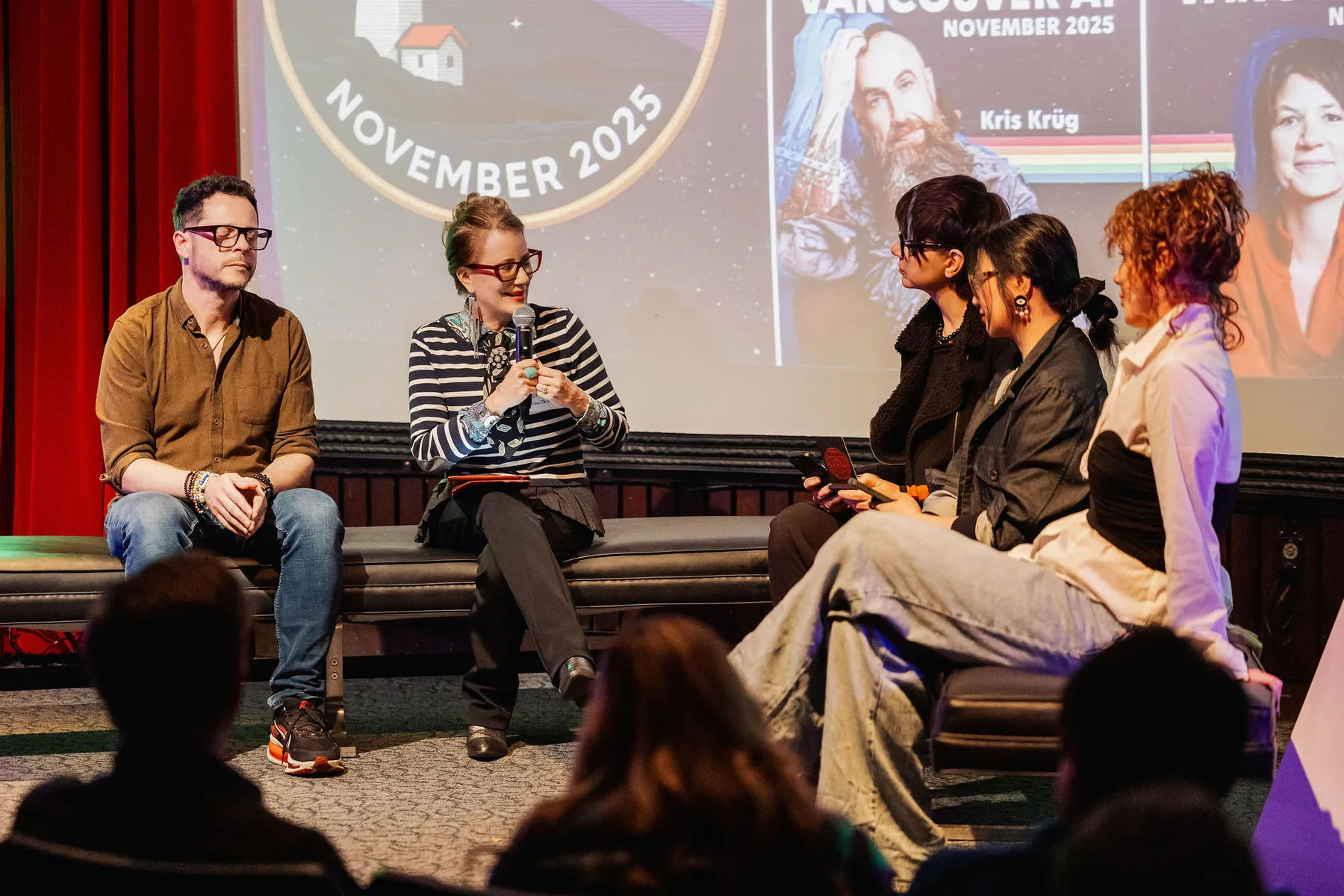
Sector adoption, delivered. Last year we ran a pilot ISED AI adoption acceleration programme for life sciences with Circle Innovation, alongside Loki, Peter and Shane.
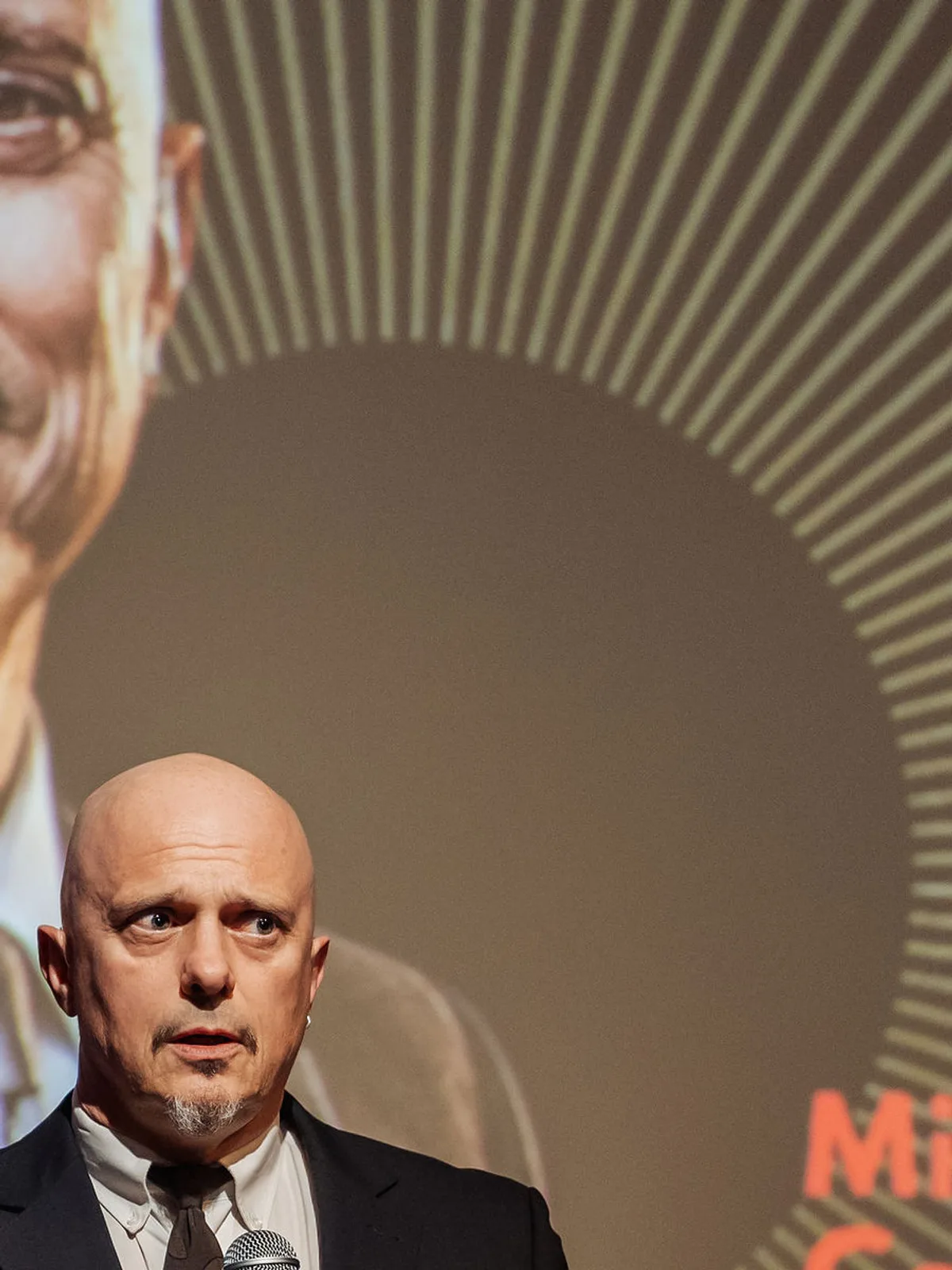
The standing programmes. The BC + AI Film Club, a hackathon series, the AI Ethical Futures Lab, weekly office hours, and Mind, AI and Consciousness. Recurring rooms give people time to learn enough to disagree well.
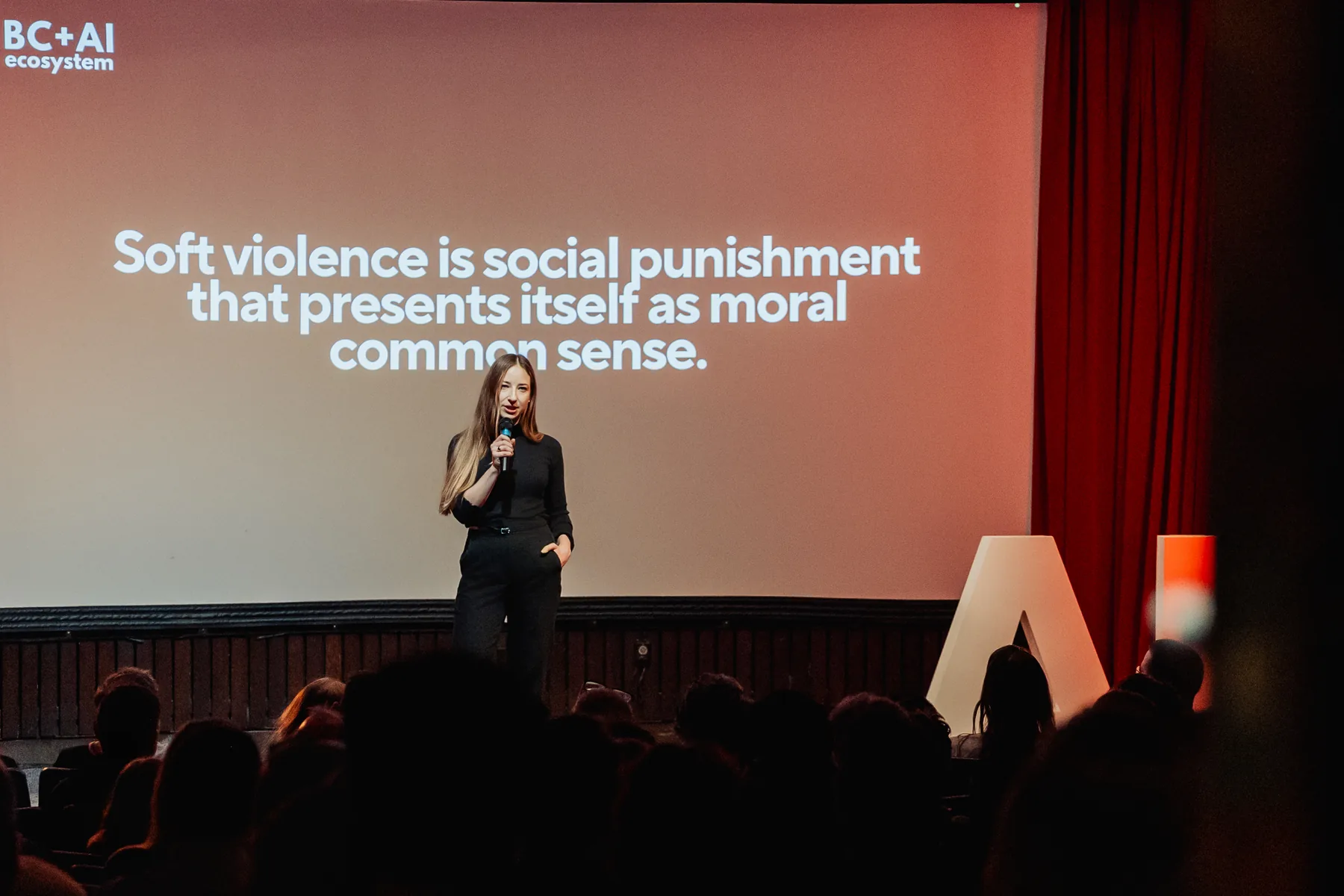
Policy, in public. The Ethical Futures Lab's AI transparency response puts the room's questions and recommendations on the record. It follows our published community response to the national Task Force consultation and our response to AI for All. Those public records let anyone inspect what we are asking for.
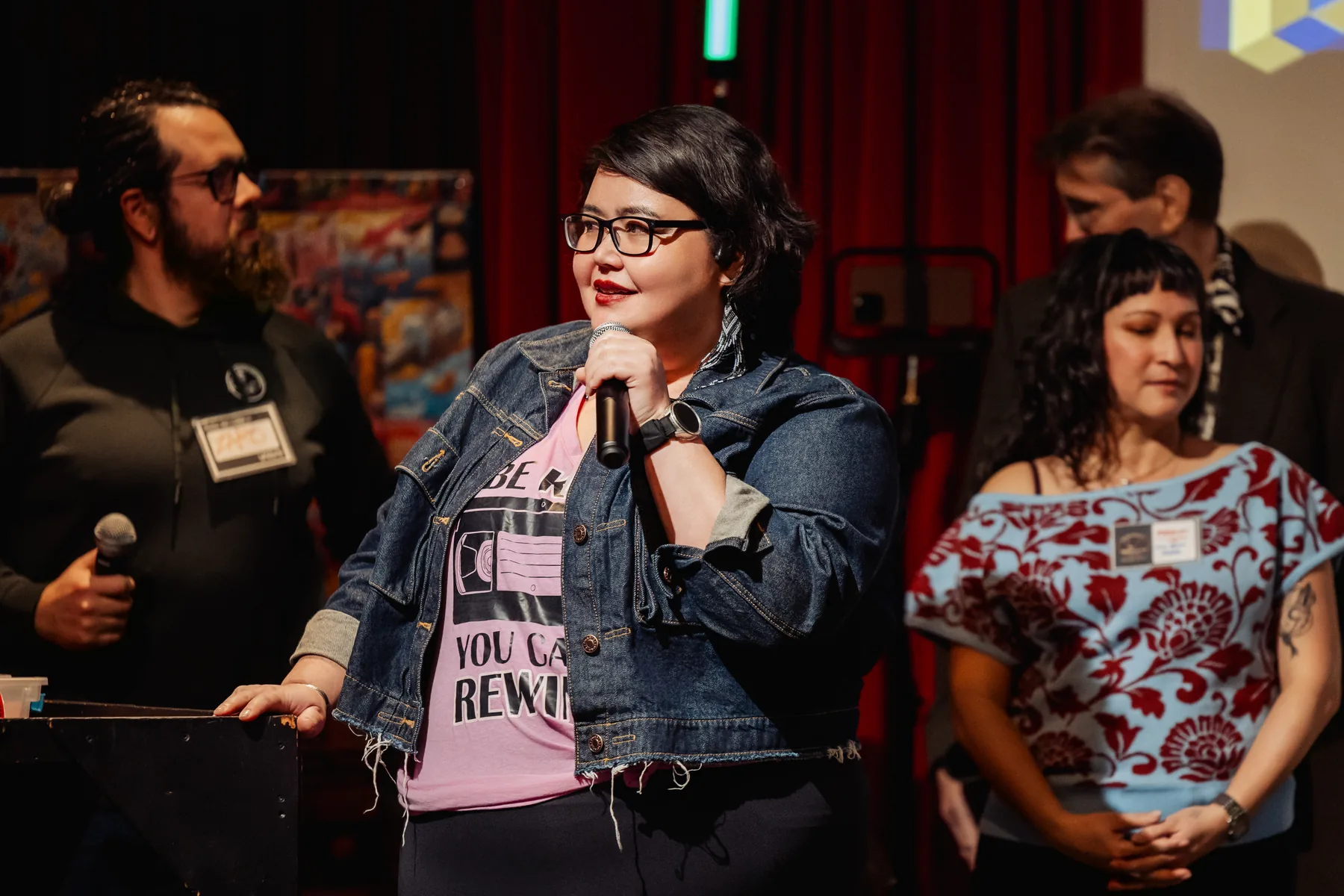
Two elected officials have spent real time in this room. Rick, B.C.'s Minister of State for AI and New Technologies, presented in June and has kept the conversation going since. In August, Taleeb, MP for Vancouver Granville and Parliamentary Secretary to the Minister of Artificial Intelligence and Digital Innovation, took the stage for an hour with no slides and answered whatever got thrown at him. The June tape is public:
Three things we're asking for
- A Pacific centre, as a fourth node. Built alongside universities, Indigenous leadership, industry and civil society. Developed through those relationships, with authority and responsibilities agreed together.
- A BC AI assurance lab, carrying the procurement and adoption playbooks with it, so audits, testing, and the messy stretch between a promising pilot and a real deployment finally have an address.
- Community AI learning hubs in libraries, colleges and community organizations. If we could only have one of the three, we'd take this one. It's the only one that reaches somebody who's uneasy about all this and has nobody to ask.
What we want from Amii, Mila and Vector is much smaller
Amii, Mila and Vector built something this country needed, and they earned every bit of what they have. We're asking for complementary capacity in B.C., with a funding case of its own. We're not interested in a provincial scrap. Mila's down the road from the convention centre and we'd rather be neighbours than rivals.
We're meeting all three this week, and the ask is practical. Put our two communities in the same room. Open your events to our people and send yours west. Make the introductions that look obvious from where you're sitting and are invisible from where we are. Say each other's names in public. An unlocked door does more work than a signed agreement, and it costs nothing.
On September 9, Ottawa announced a $13 million national AI literacy partnership with Amii. Amii schedules its community stream for December 4. We want to explore a B.C. delivery role. That is our proposal; no partnership, eligibility decision or funding award to BC + AI is established by the announcement.
Come see it for yourself
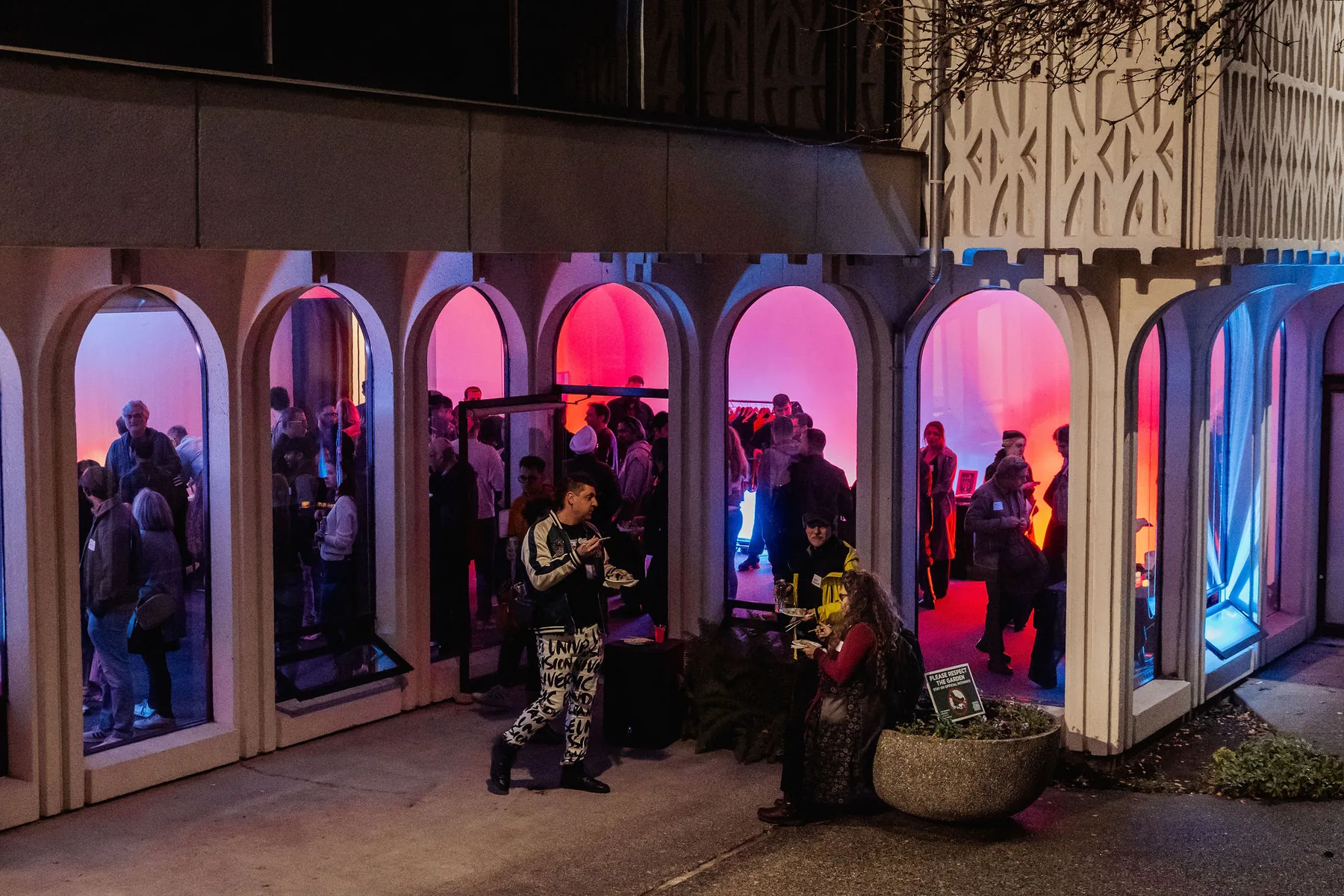
Futureproof Festival runs October 28 to 30 at the H.R. MacMillan Space Centre in Vancouver. The announced lineup brings people working on public memory, human agency, Indigenous language technology and creative practice into the same conversation. Brewster of the Internet Archive, Ben, Amber, Michael and Stephanie are among the speakers, alongside people who have been building these rooms in B.C.
Our AI Builders Fellowship is another way to put resources behind work people can inspect and use. The public program record carries the terms and updates.
If you're at Mila, Vector, Amii, ISED or a provincial government and you're reading this, consider it an invitation. Come out in October. Nothing has to be funded first, and there's no agenda beyond wanting you in the room.
If you're at ALL IN this week, come find us. We're the ones from the coast.
Kris Krüg is Executive Director of the BC + AI Ecosystem Association. Photographs by Michelle.
Sources and AI assistance: The six recommendations above are drawn from the authors' individual Task Force reports: Research and Talent (Arvind and Diane), Scaling (Patrick and Ajay), Infrastructure (Garth), and Commercialization (Adam). ISED's summary explains the report collection and links to its public source material. AI assisted with drafting, editing and source comparison. Kris authorized publication; the recommendations and interpretation here are his, and do not imply endorsement by the experts named.