

01
The fellowship award
CA$10,000 across two projects and the focused time to move each from idea to working artifact.
Two builders got six weeks and CA$10,000 across two projects to turn a massive Canadian public archive into open-source experiments people can use, question, or get lost in. Who knows what's actually possible?
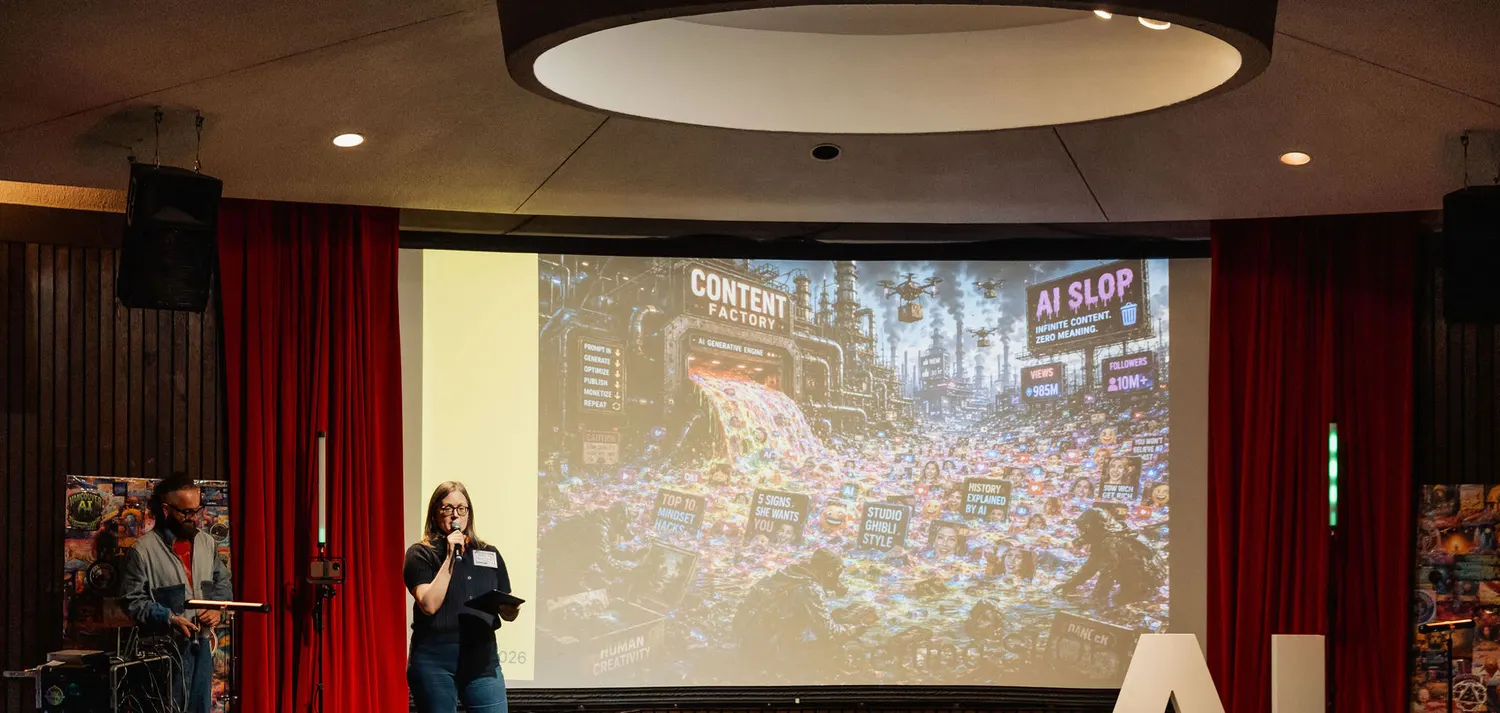
Human origin
The fellowship grew from real conversations between Kris Krüg and Andrea Mills about archives, public memory, and what becomes possible when a public record is treated as material for new work. Internet Archive Canada brings the archive. BC + AI brings a community willing to build in public.
The brief
collection_01 / public_memory
The collection
The archive is the material. Its contents are part of Canada's public record. Public memory is the larger possibility: helping people find, connect, question, and reinterpret what governments chose to publish.
Explore it at archive.org/details/governmentpublications, part of Internet Archive Canada's open-government holdings.
This collection is part of Democracy's Library, one branch of the Internet Archive's larger mission to keep public knowledge open. If you know the Wayback Machine, you already know the scale of the ambition.
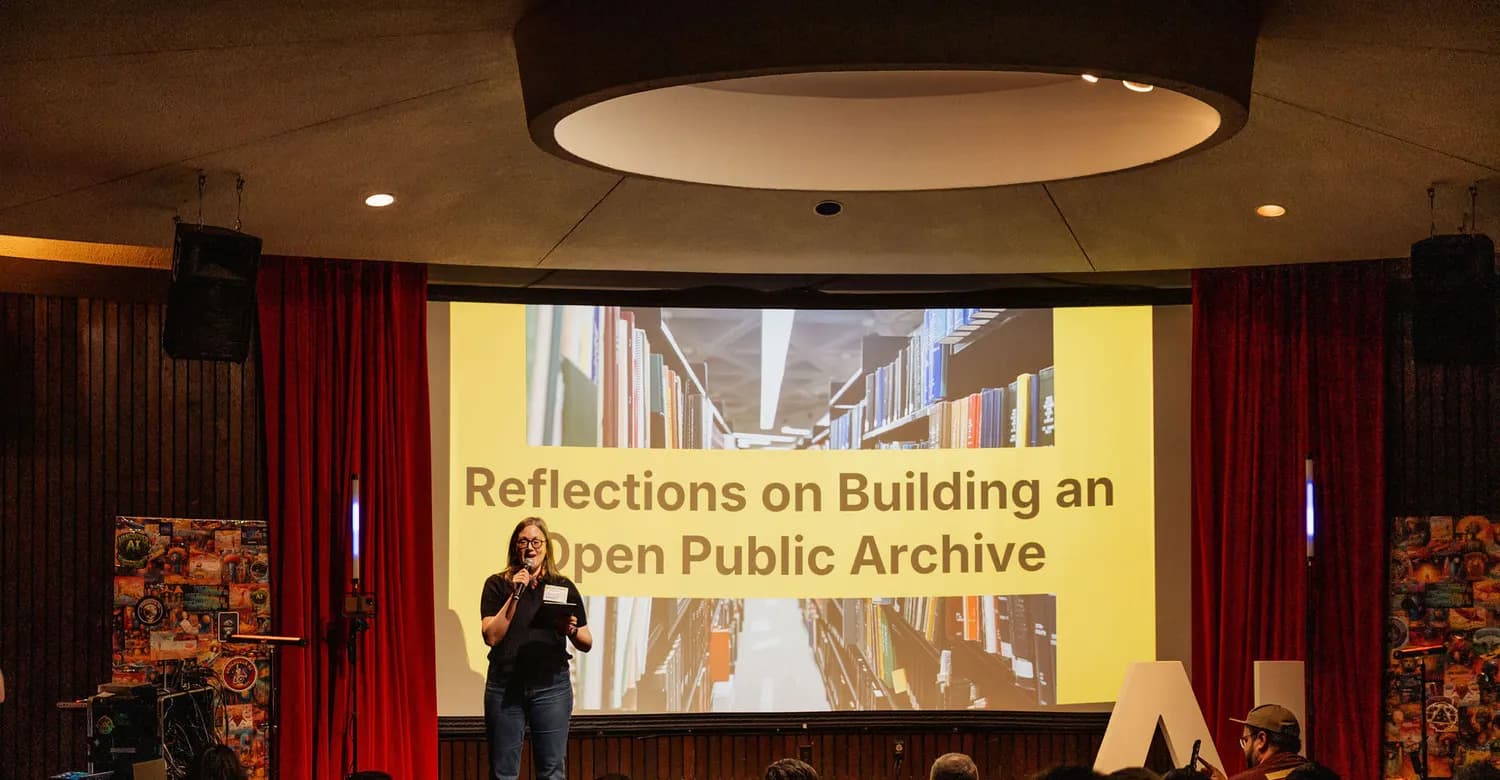
The coverage is uneven, and that is the point
Federal material is substantial, but provincial and municipal coverage leans heavily toward Ontario and Alberta and is thin elsewhere. About 34.5 percent of items carry no recorded date. Treat those gaps as part of the story rather than something to paper over. The most useful projects tend to work with the unevenness, not around it.
Andrea's talk
This is where Andrea turns from the larger work of preserving the internet toward this archive, this fellowship, and what a builder might do next.
The player starts at that moment. The full conversation remains available from the beginning.
What we asked builders to make
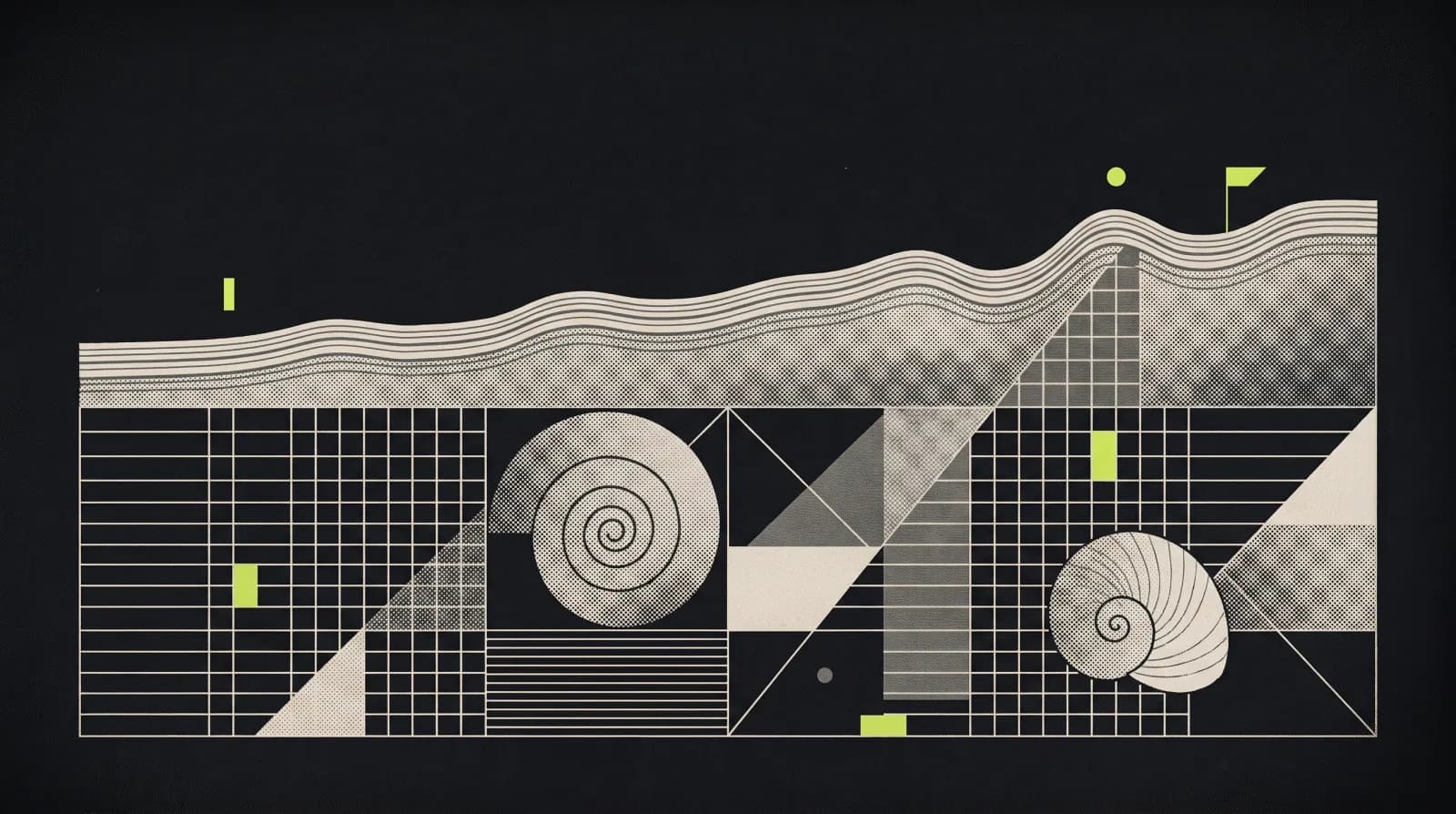
They could make a sonic journey through decades of government language, build a research tool, trace a civic pattern, turn records into an artwork, or invent a strange interface that changes how someone moves through public memory.
01
Build a search, map, timeline, or question-answering interface that helps someone find a useful path through Canadian public records.
For instance, a plain-language search that answers a real question and returns the specific reports behind the answer, each with a page-level citation.
02
Trace how a policy, place, institution, or public concern changes across time, sources, and levels of government.
For instance, a timeline of how one environmental policy was described across decades of federal reports, with the undated records placed as open questions.
03
Create a visual, sonic, literary, or generative work that makes the collection legible without flattening its provenance.
For instance, a field guide that pairs archival photographs with the reports that produced them, keeping every source one tap away.
Or they could build the thing nobody had imagined yet. That was the point.
What fellows receive
01
CA$10,000 across two projects and the focused time to move each from idea to working artifact.
02
A prepared Canadian civics and open-government collection plus guidance on how it was assembled.
03
October 28: the fellows present at Futureproof Festival opening night.
How it works · Selection
How it works · Timeline
Builders read the brief, explored the collection, and told us what they wanted to make.
Submissions closed at 11:59 PM Pacific.
Applications moved through project review.
BC + AI selected two projects, with CA$5,000 awarded to each.
A focused build period with archive context and BC + AI check-ins.
The fellows present their projects on opening night in Vancouver.
How it works · Application
Every proposal had to carry three things.
We also asked for contact details, relevant experience, and confirmation that each applicant could work through the build window. Applications are stored privately and were reviewed by the selection team.
Questions about the fellowship? Contact BC + AI.
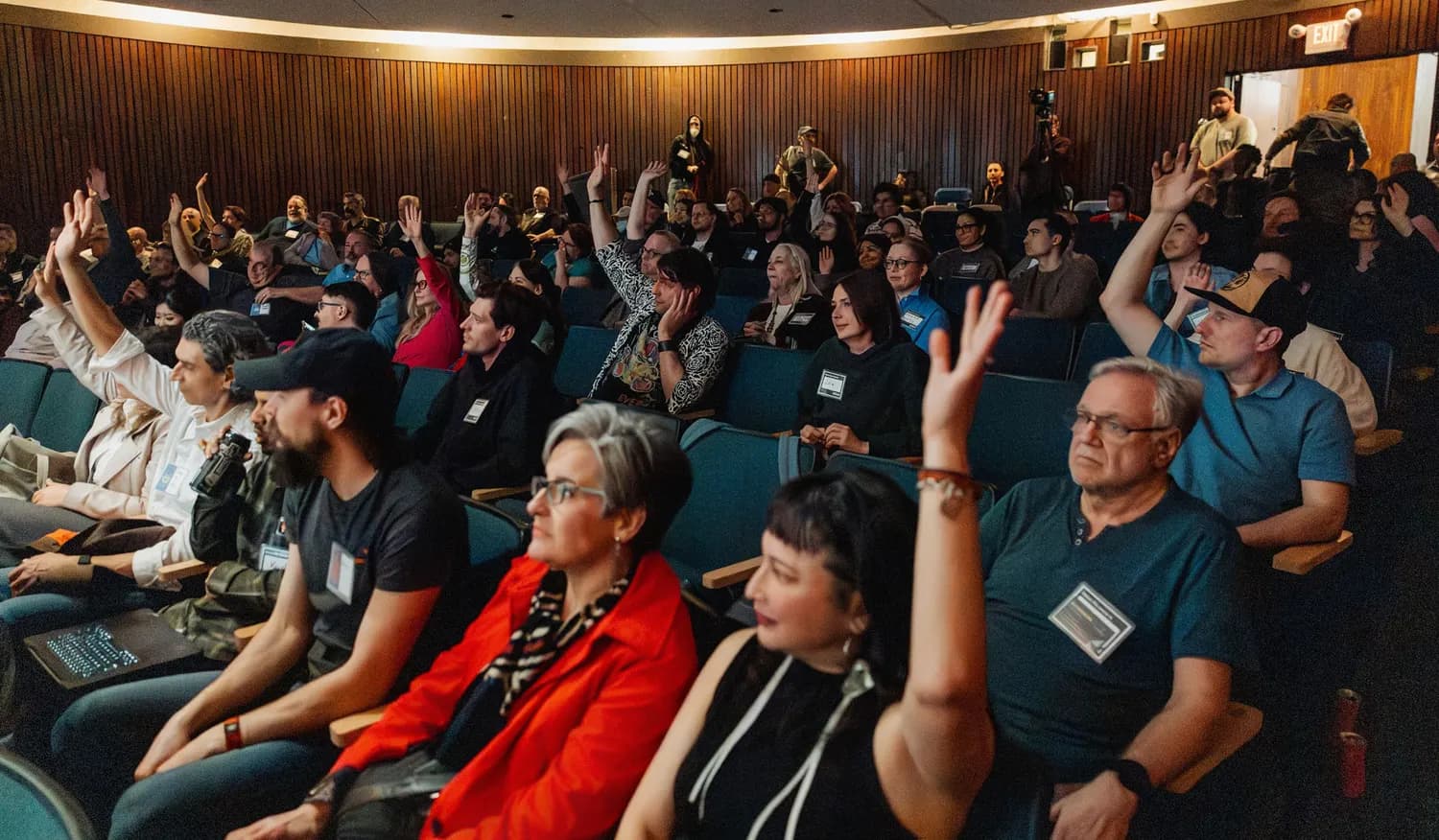
Applications closed
The 2026 call is closed. BC + AI selected Jacob Ortiz and Daniel Shavit for two CA$5,000 fellowships, with Internet Archive Canada as our archive partner. The original brief stays here so you can read what builders were asked to make.
Credits
Archive partner
An independent Canadian digital library preserving public knowledge and supporting open access.
Community partner
The BC nonprofit that grew from Vancouver AI and supports the fellowship’s builder community and public documentation.
Executive Director of Internet Archive Canada
Leads Internet Archive Canada’s work to preserve and open Canadian collections, including the public-record context for this fellowship.
Founder and Digital Librarian of the Internet Archive
Founded the Internet Archive, whose Democracy’s Library initiative works toward free, open, sustainable access to government research and publications.
Founder and Executive Director of BC + AI · Founder of Vancouver AI
Grew Vancouver AI into BC + AI and leads the community, builder support, and public documentation around this fellowship.