Vancouver / civic policy lab / monthly

AI Ethical
Futures Lab

Not a panel. A working room for people who want AI's possibilities without surrendering agency, accountability, or public voice.

Both hands full

We can be excited about what AI makes possible and serious about who has power, who carries risk, and who gets a say.

August 4 / The federal transparency consultation

What BC told Ottawa about AI transparency.

In August, about twenty people worked through the Government of Canada’s five AI transparency questions as one facilitated room. Peter Van Garderen ran it and published the recording, transcript, and notes. Sara Taherzadeh turned the night into the written submission. On September 1 the seventh room heard it read back and approved it. Read it, then add your own voice before the consultation closes.

2 days left to respond

The consultation closes September 23, 2026. Anyone in Canada can respond.

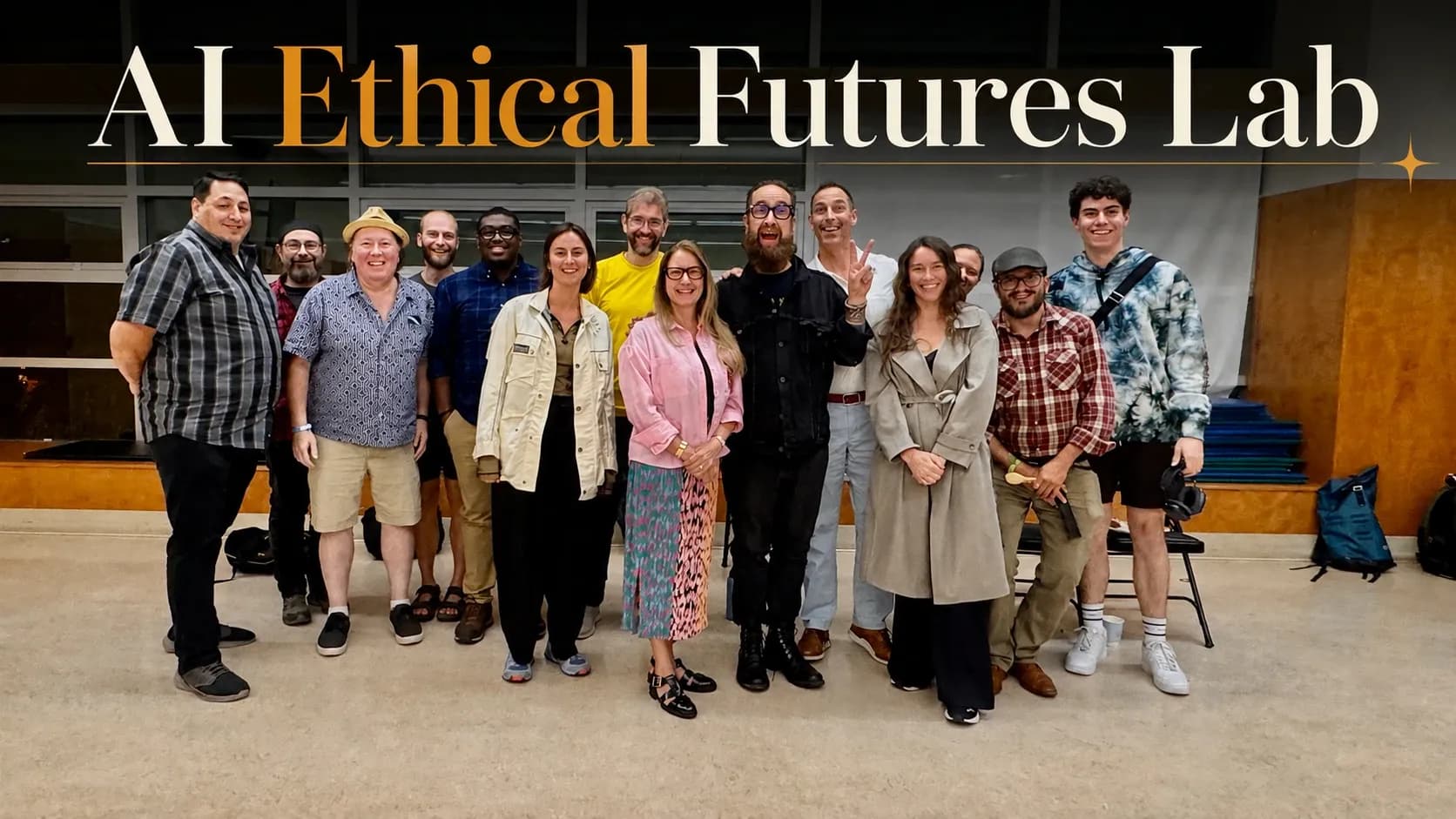
Fourteen members of the AI Ethical Futures Lab standing together in a row at Mount Pleasant Community Centre after Lab number 7, smiling, with the words AI Ethical Futures Lab set above them.
AEFL #7 / September 1, 2026The room that approved it

The live federal question

Five places where transparency has to become useful.

A label is not accountability. The test is whether people can understand what is happening and then choose, refuse, contest, correct, reverse, or seek redress.

Open the Government of Canada consultation
  1. 01AI-generated contentHow people can detect or identify synthetic media without drowning in labels.
  2. 02AI interactionsWhen people should know they are dealing with an AI system instead of a person.
  3. 03System informationWhat people need to know about an AI system, in language they can actually use.
  4. 04Serious incidentsHow consequential failures should be tracked, reported, and made available for scrutiny.
  5. 05AI agentsHow people can see what an agent did, under whose authority, and what can be undone.

From disclosure to agency

Three tools we can put in people's hands.

These are field-test prototypes, not finished policy. The room's job is to find the missing questions and the points where a neat template falls apart.

01

Layered interaction notice

Tell me I am dealing with AI before the interaction becomes consequential, then let me inspect the details.

02

AI system information card

Make scope, limits, data use, ownership, and paths to recourse legible in one place.

03

Agent action receipt

Record what acted, what it was allowed to do, what changed, and how a person can reverse or contest it.

March 4 / The People's AI Consultation

The first room left receipts.

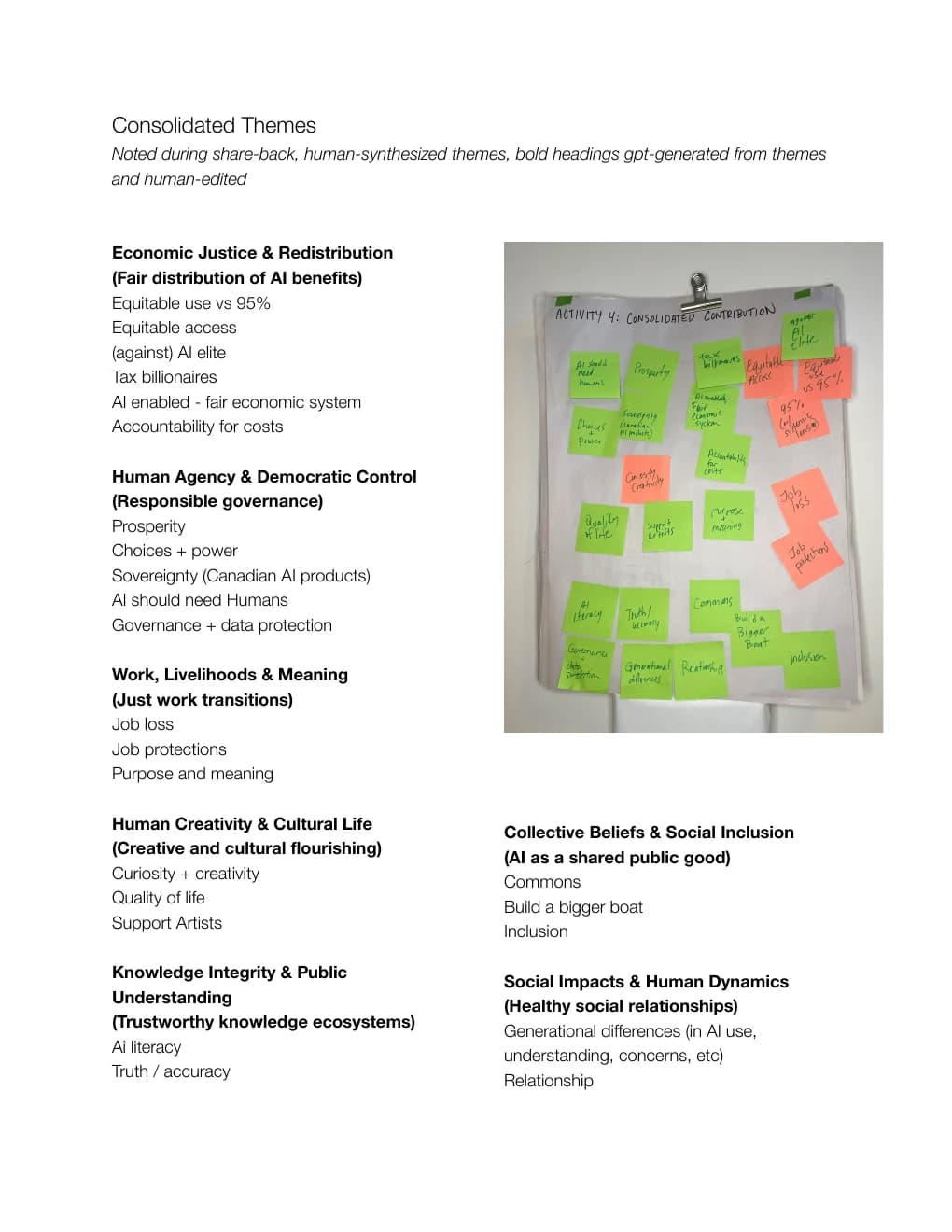
Jesi Carson designed and facilitated AEFL #1, then turned the small-group worksheets into a nine-page public report. It keeps economic justice beside creativity, job loss beside purpose, sovereignty beside the bigger boat.

The field note tells the story of the night. Jesi's report shows the actual work: the human-synthesized themes, the handwritten questions, and the ideas that did not collapse into one answer.

Workshop, process design, facilitation, and report by Jesi Carson Creative.

The room has a memory

Conversation, consultation, then laptops out.

In March, the Lab worked through the People's AI Consultation. In May, people started mapping where civil society should show up. By July, the room was moving between power, access, disability, local infrastructure, labour, and public trust.

The format changes when the work demands it. The through-line is a real room, useful disagreement, and something people can carry forward.

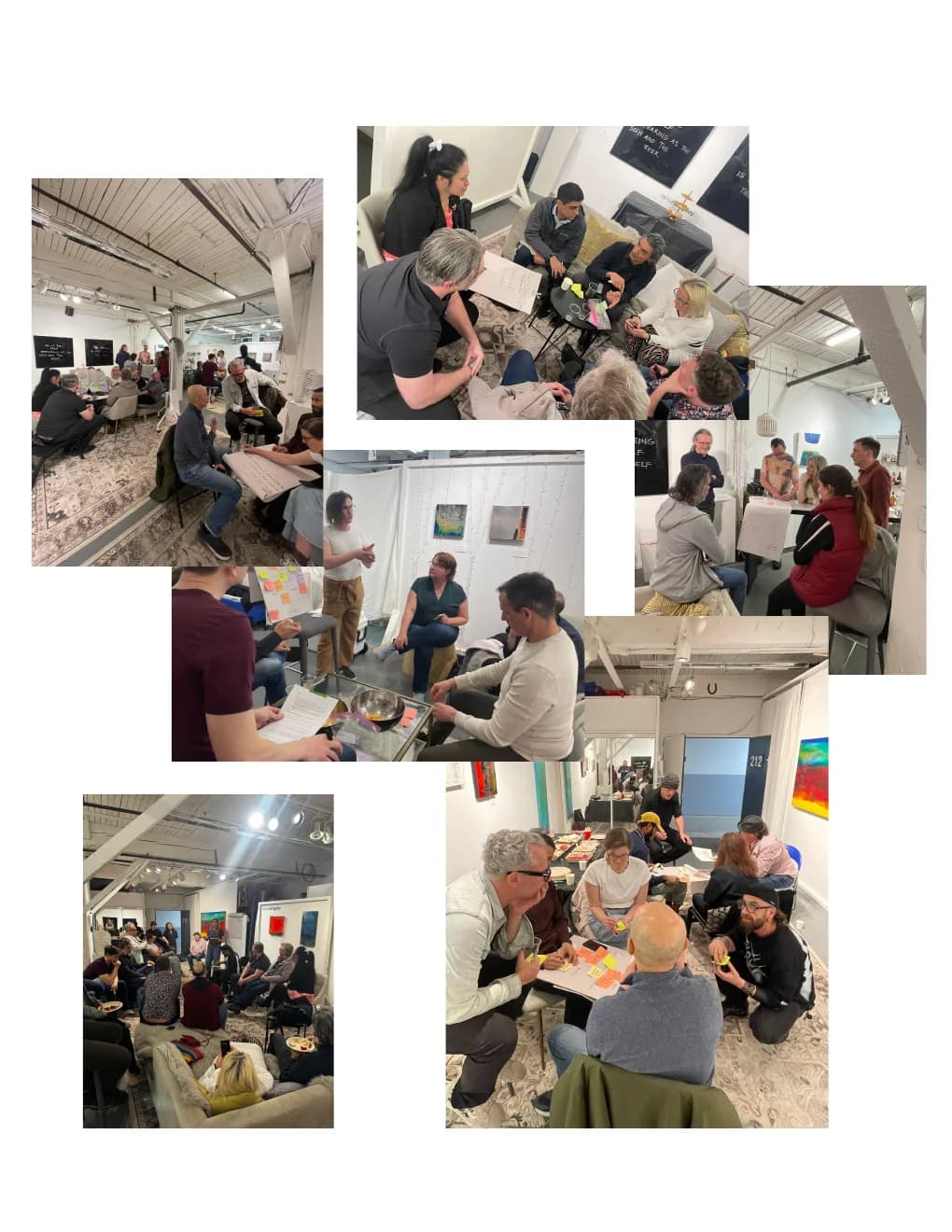
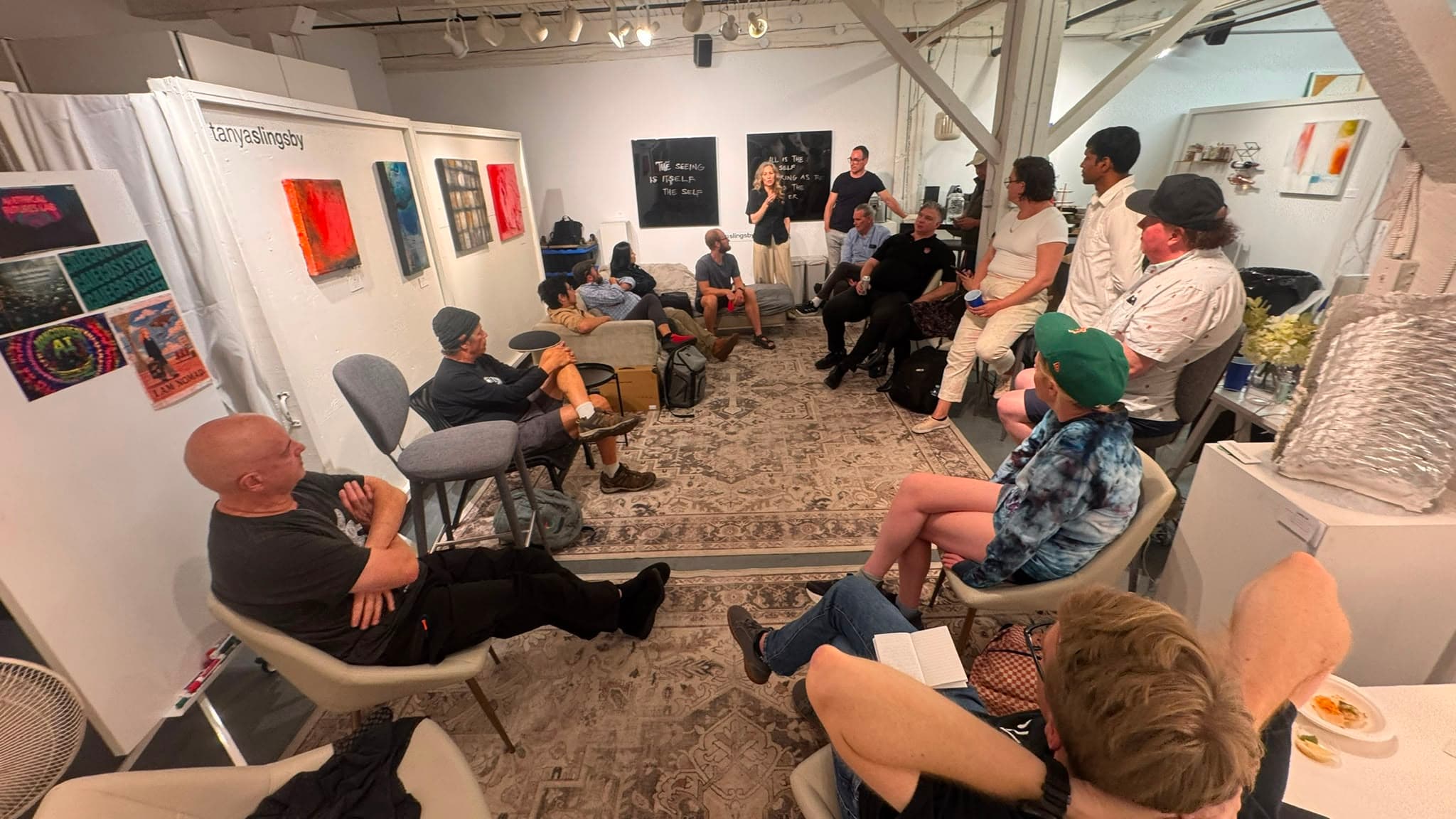
AI Ethical Futures Lab participants gathered in a discussion circle at Parker Street Studios.
The Lab works in a circle. The room is small enough for an actual conversation.
A speaker and participants in conversation at AI Ethical Futures Lab inside Parker Street Studios.
Art, policy, lived experience, and technical practice share the same floor.
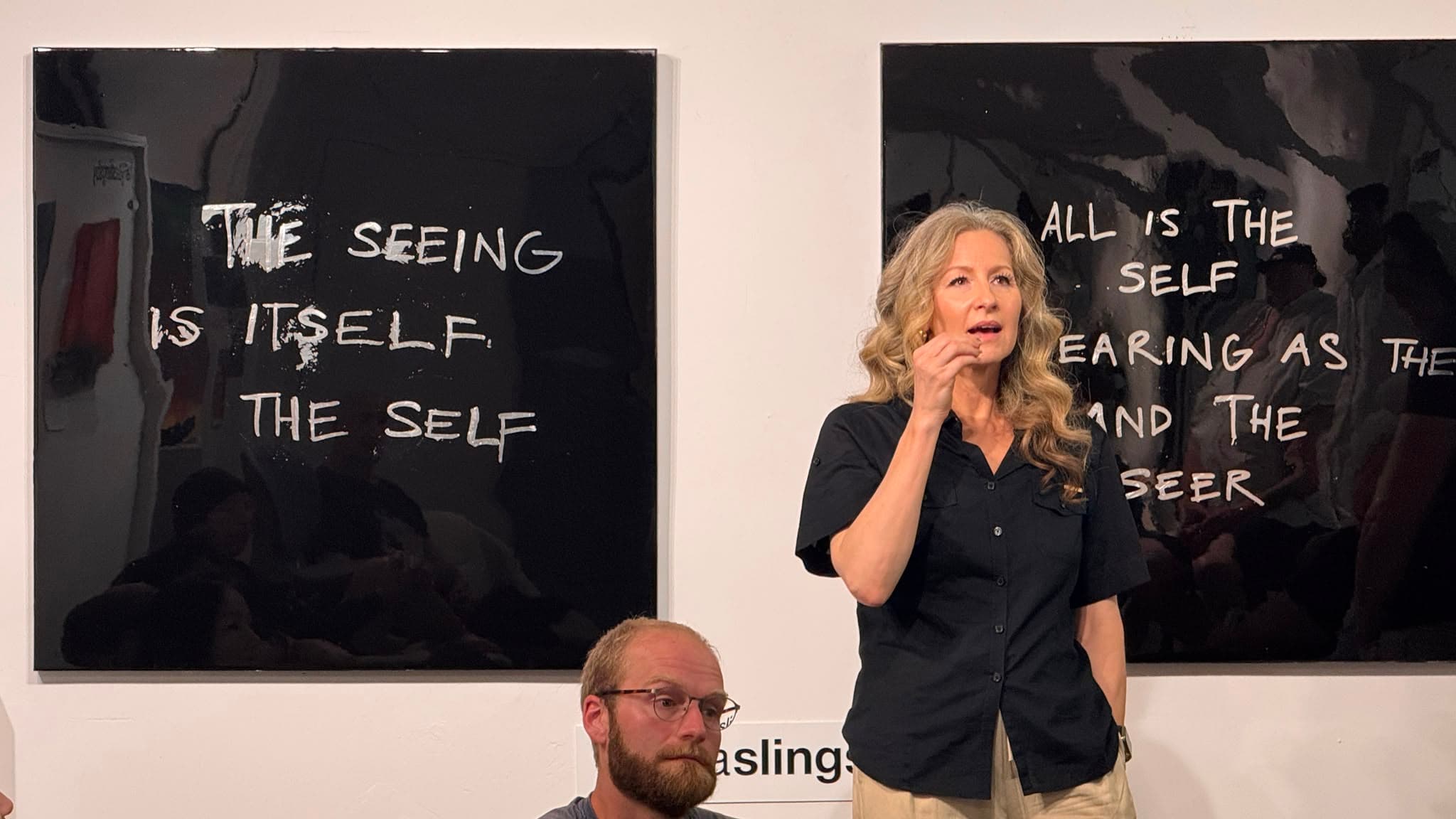
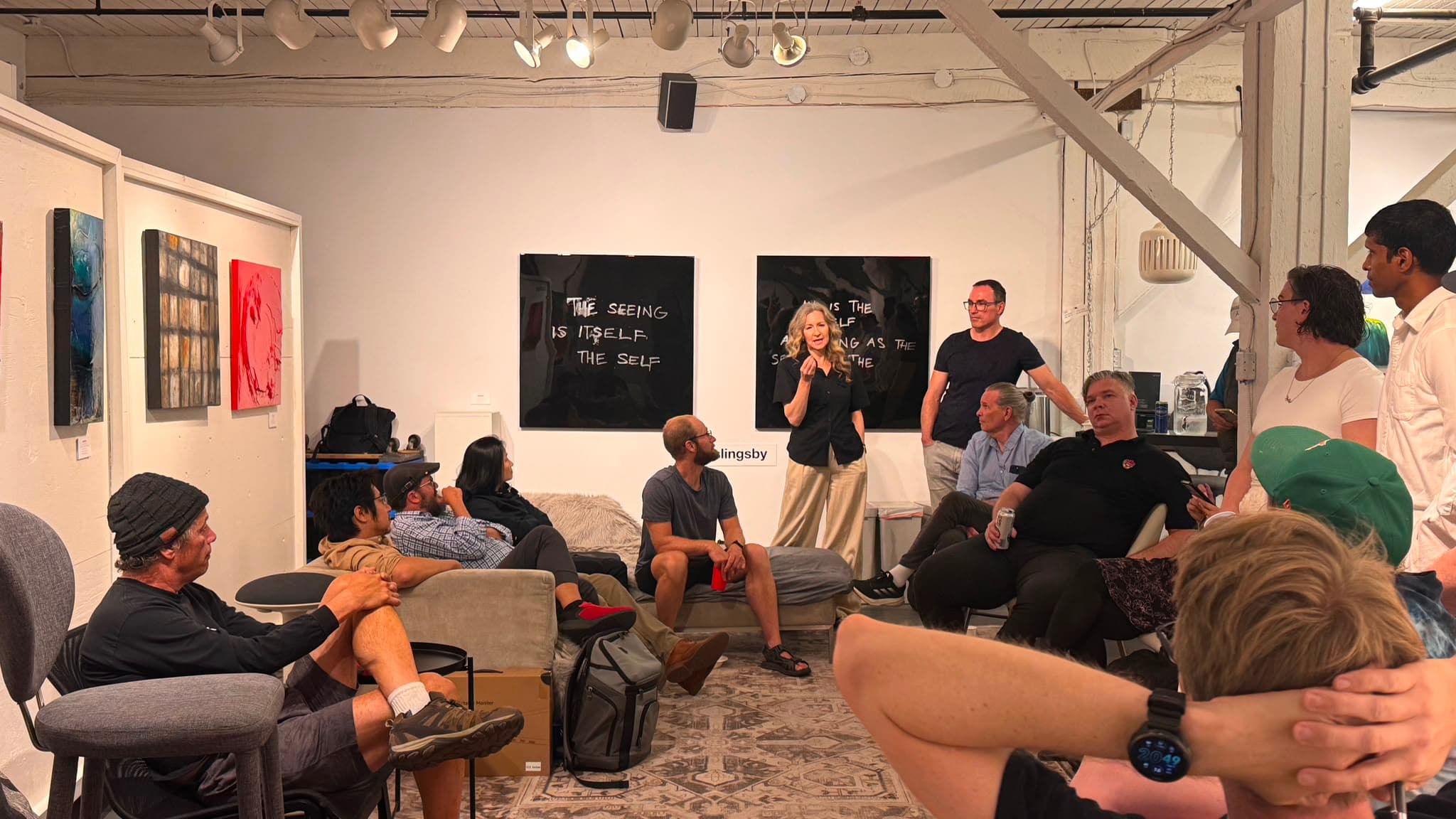
A speaker addresses AI Ethical Futures Lab beside gallery works about perception and the self.
Parker Street is a working art studio, not a hotel ballroom.

How to plug in

There is no single front door. Here is where the doors are.

Come to a session
The room itself is the front door. See the autumn schedule.
The group chat
Any current member can add you once you have been in the room.
Between sessions
Weekly Office Hours are member-only. See membership.
Read what the room produced
Start with the reading list or the transparency response.

What leaves the room

Public-safe notes. No forced consensus.

The Lab can carry public-safe notes into BC + AI's response to public consultations. Taking part does not mean you endorse a final submission. We do not attribute comments or quotes without consent.

Open the Lab's working hub

About BC + AI

The rooms only stay open if the people who care help keep them open.

BC + AI is the member-supported nonprofit association growing out of Vancouver AI. Membership supports the rooms, working groups, follow-through, and people connecting practical AI work across British Columbia.