Vancouver AI Meetup #33 · The recap
Who do
we trust?
AI transparency, the people behind the systems, and what happens when something goes wrong.
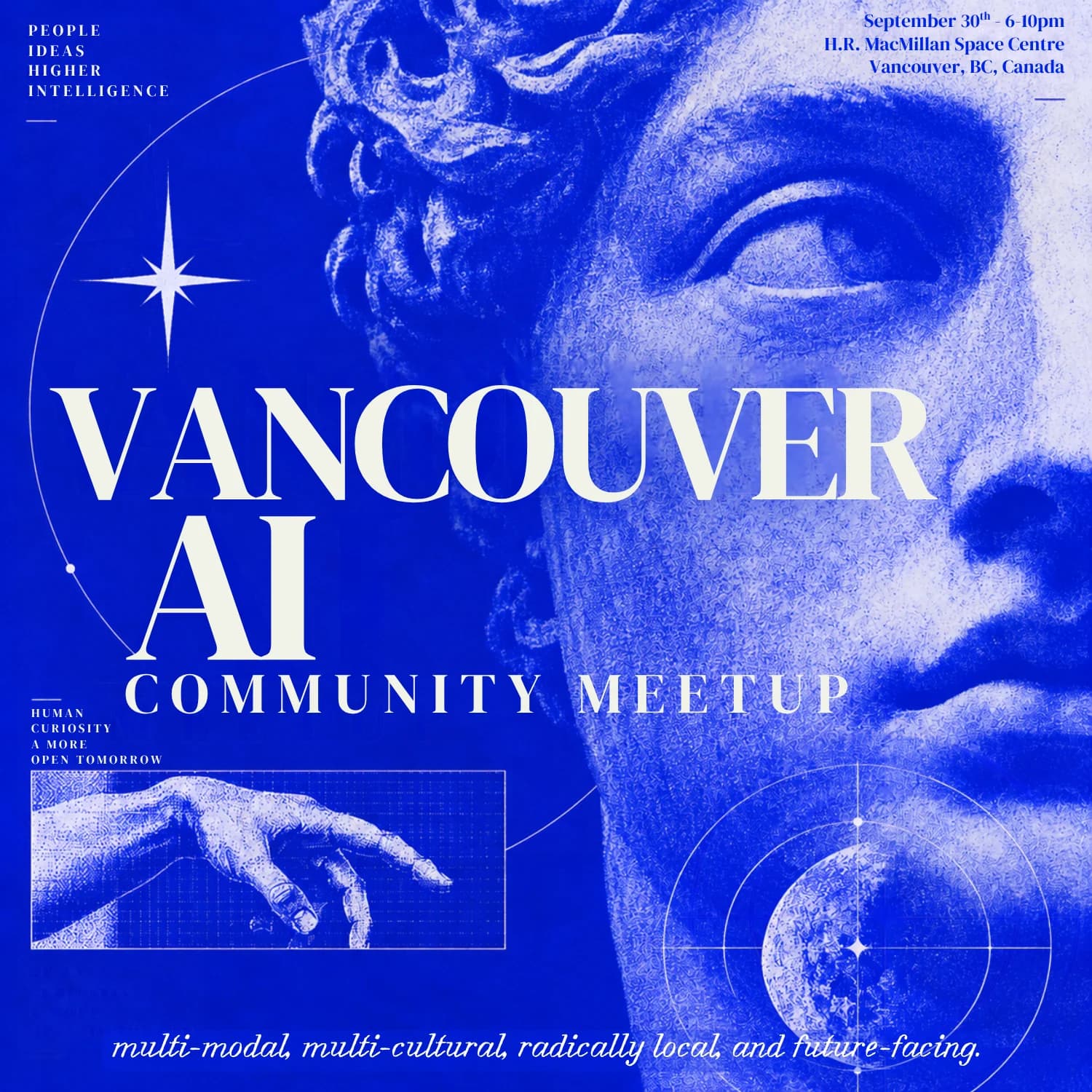
On September 30, 2026, the AI Ethical Futures Lab took over Vancouver AI Meetup #33 at the H.R. MacMillan Space Centre. Peter Van Garderen and Sara Taherzadeh brought the community’s AI transparency work to the stage. Anthony Joseph opened the night, Ben Shneiderman made a surprise appearance, and the room had plenty to say.
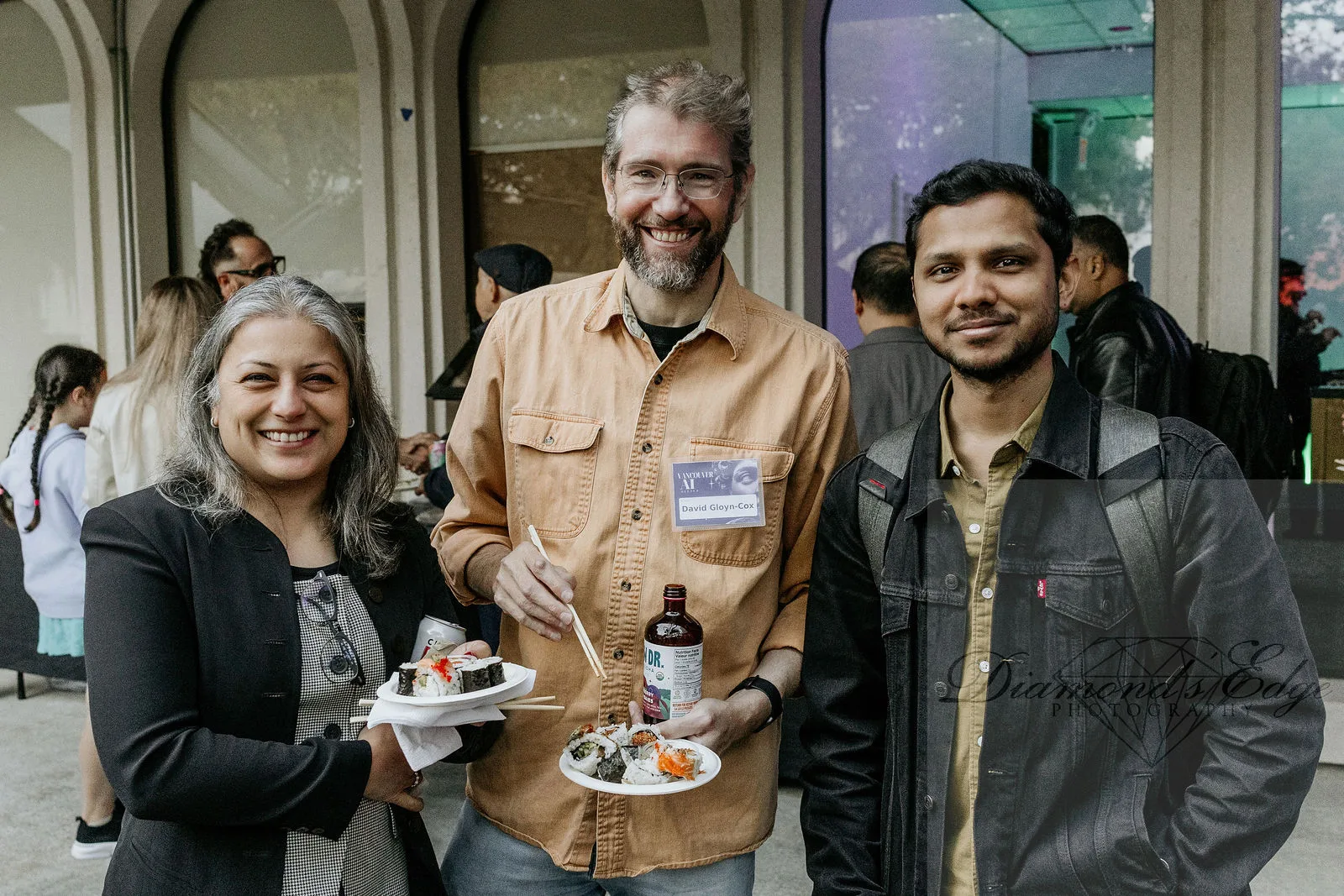
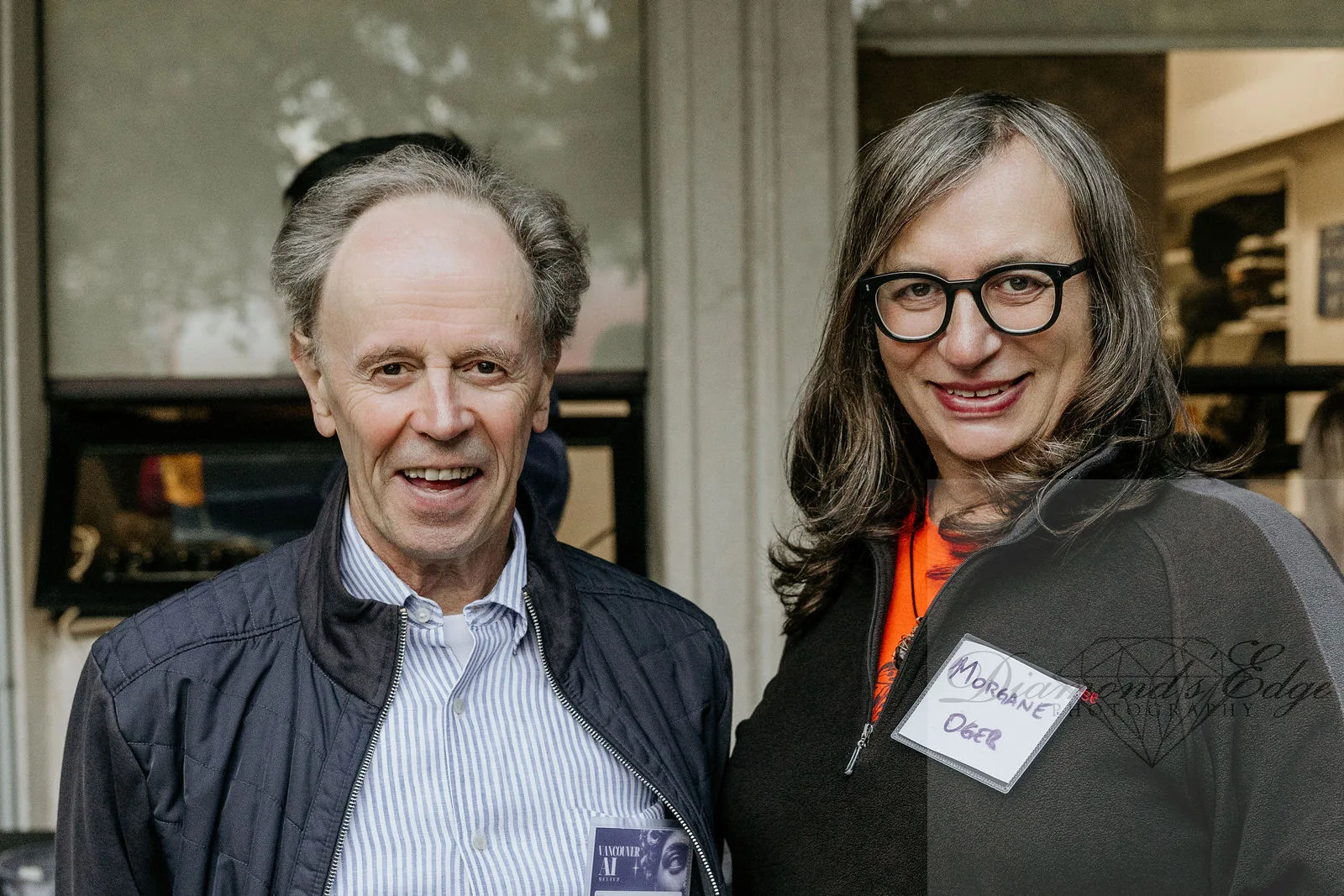
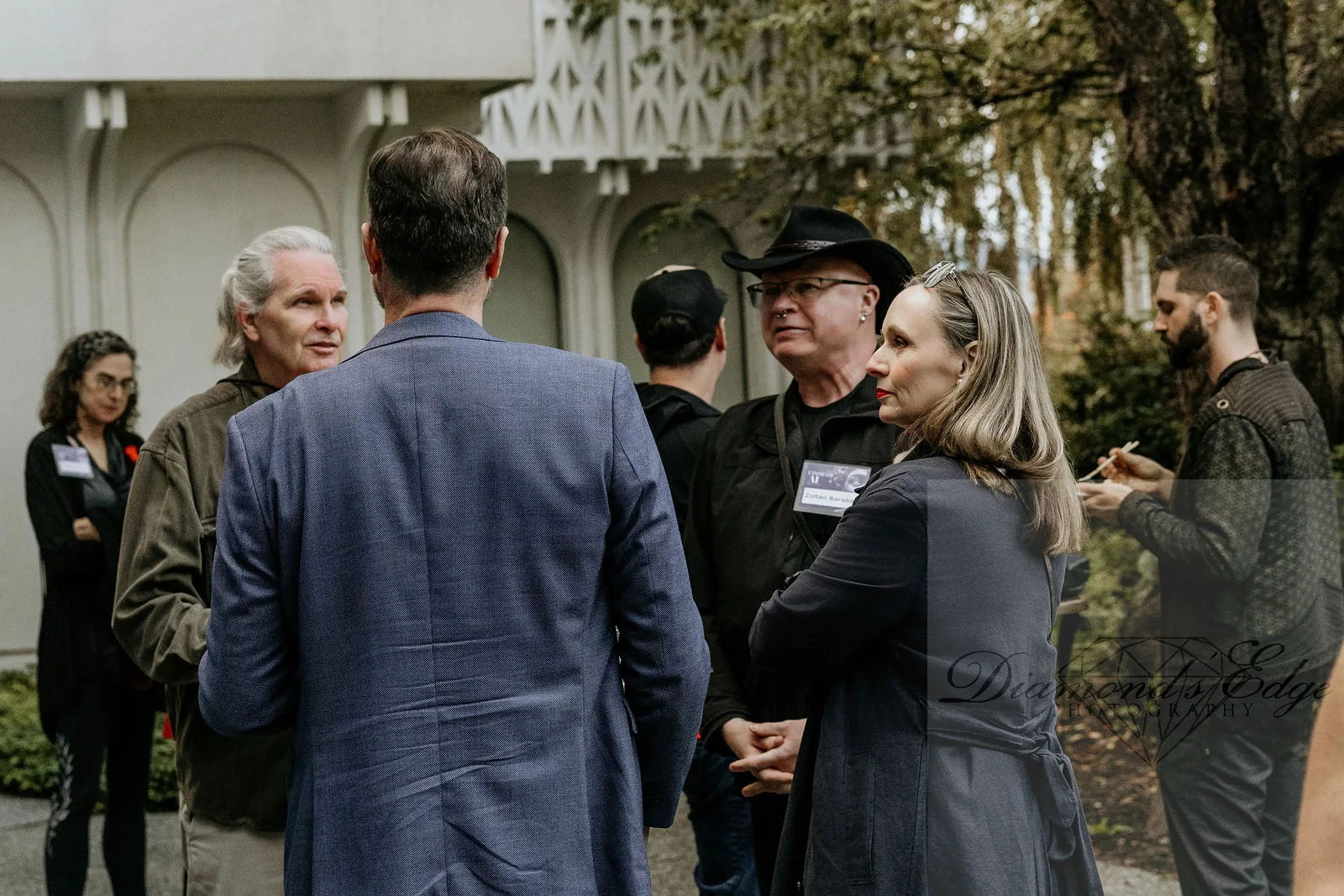
Photos by Michelle Diamond
Full gallery ↗Photos from this meetup
Diamond’s Edge Photography · BCAI Sept 2026 Click any photo to view full size. The lightbox lets you download and share.
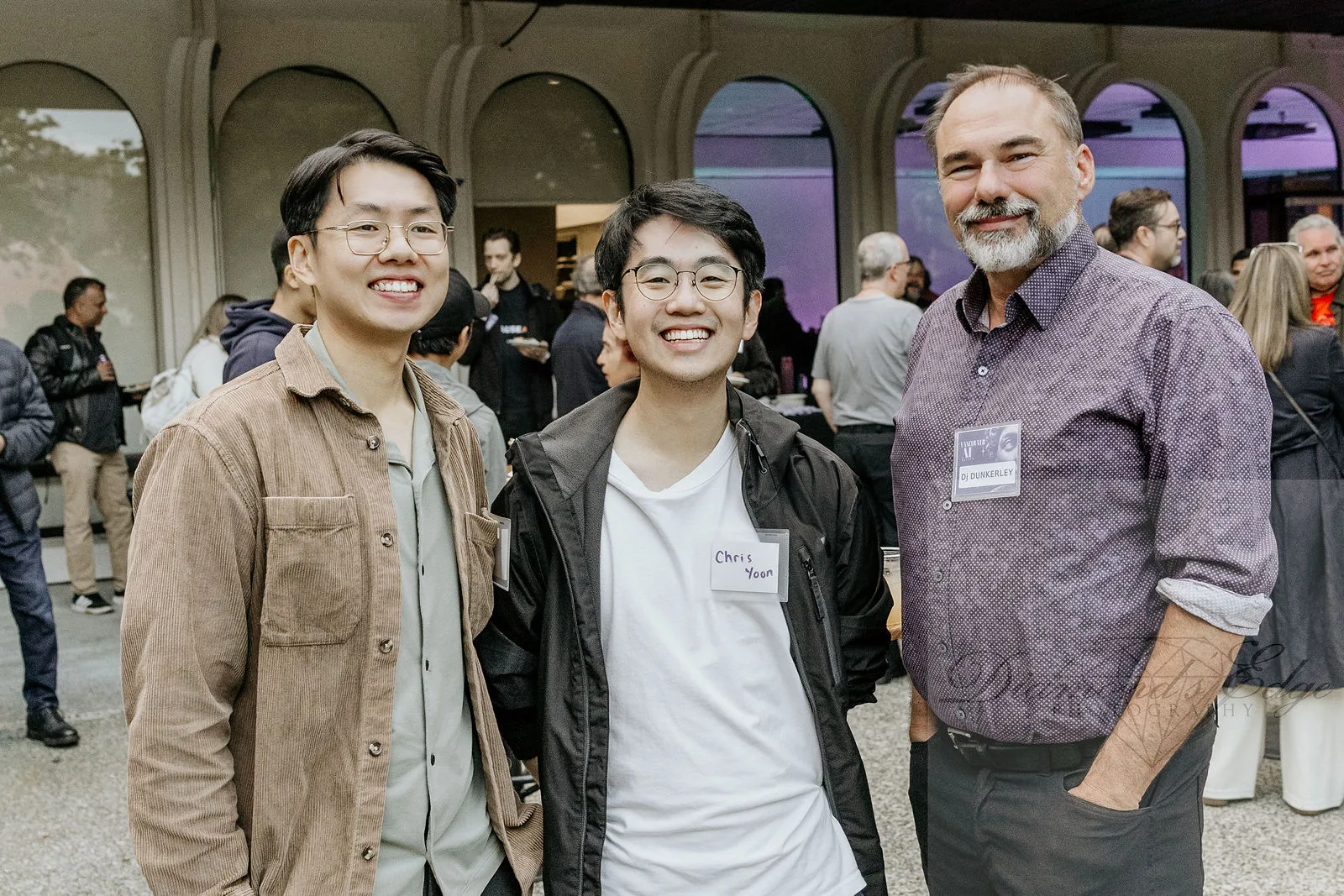
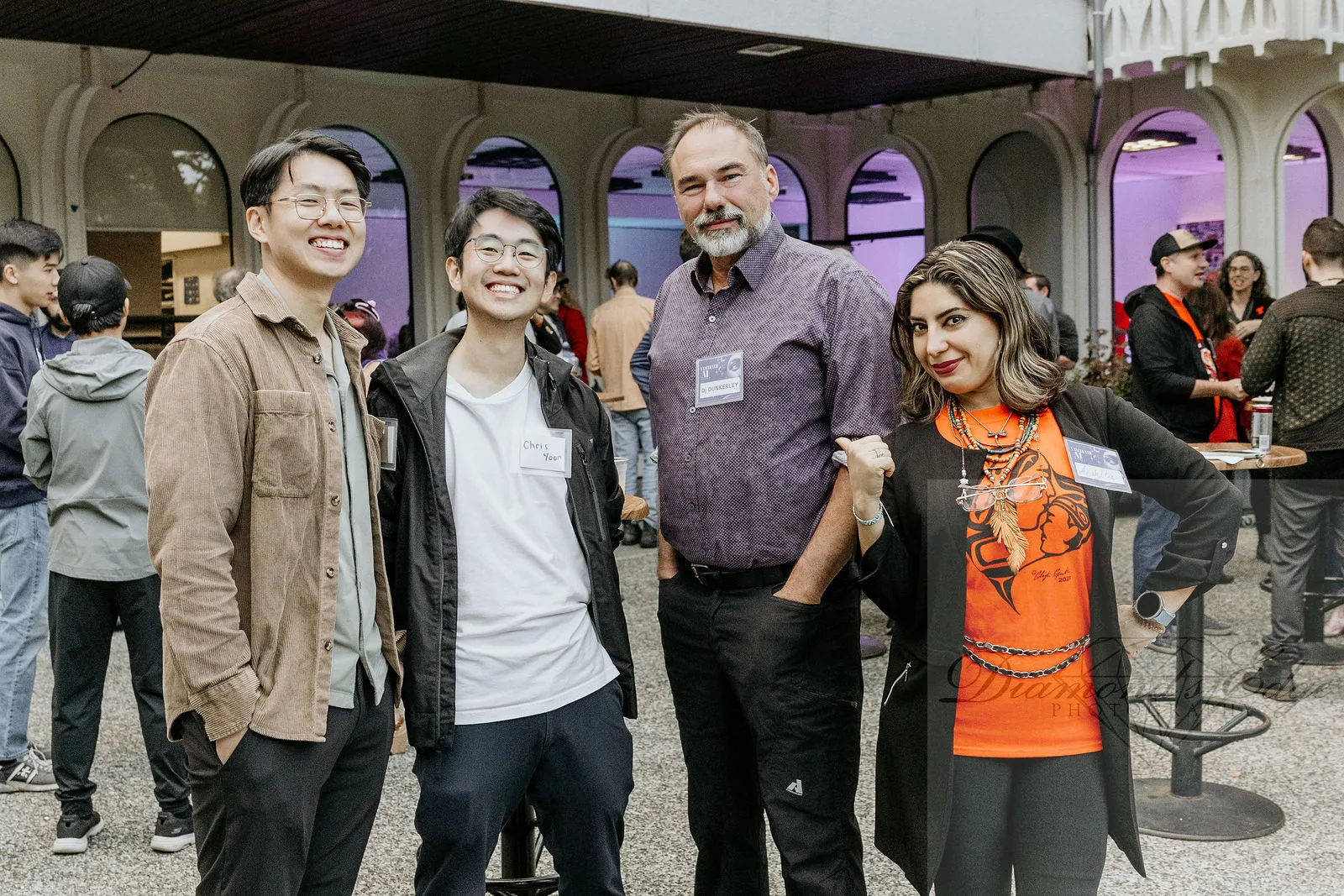
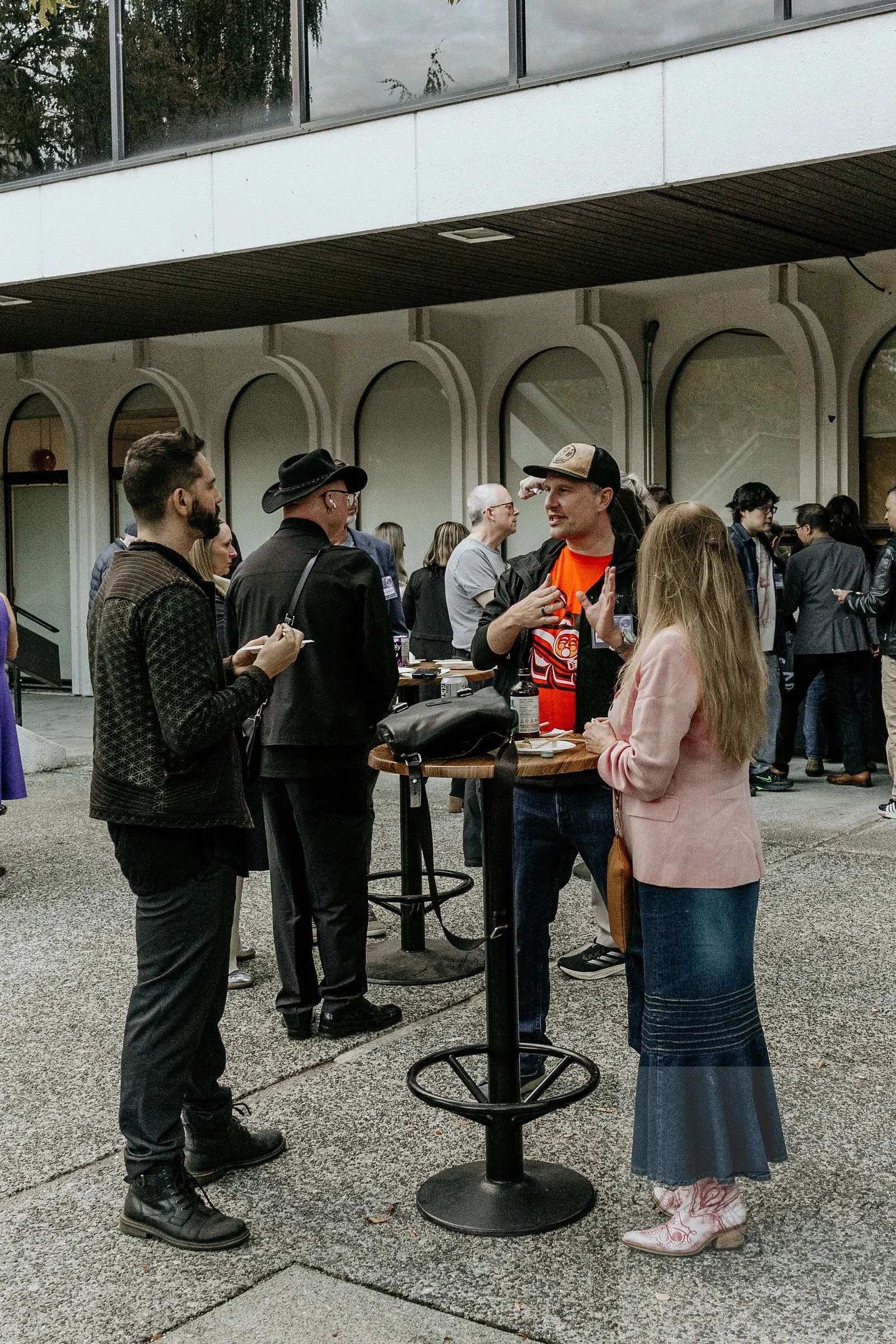
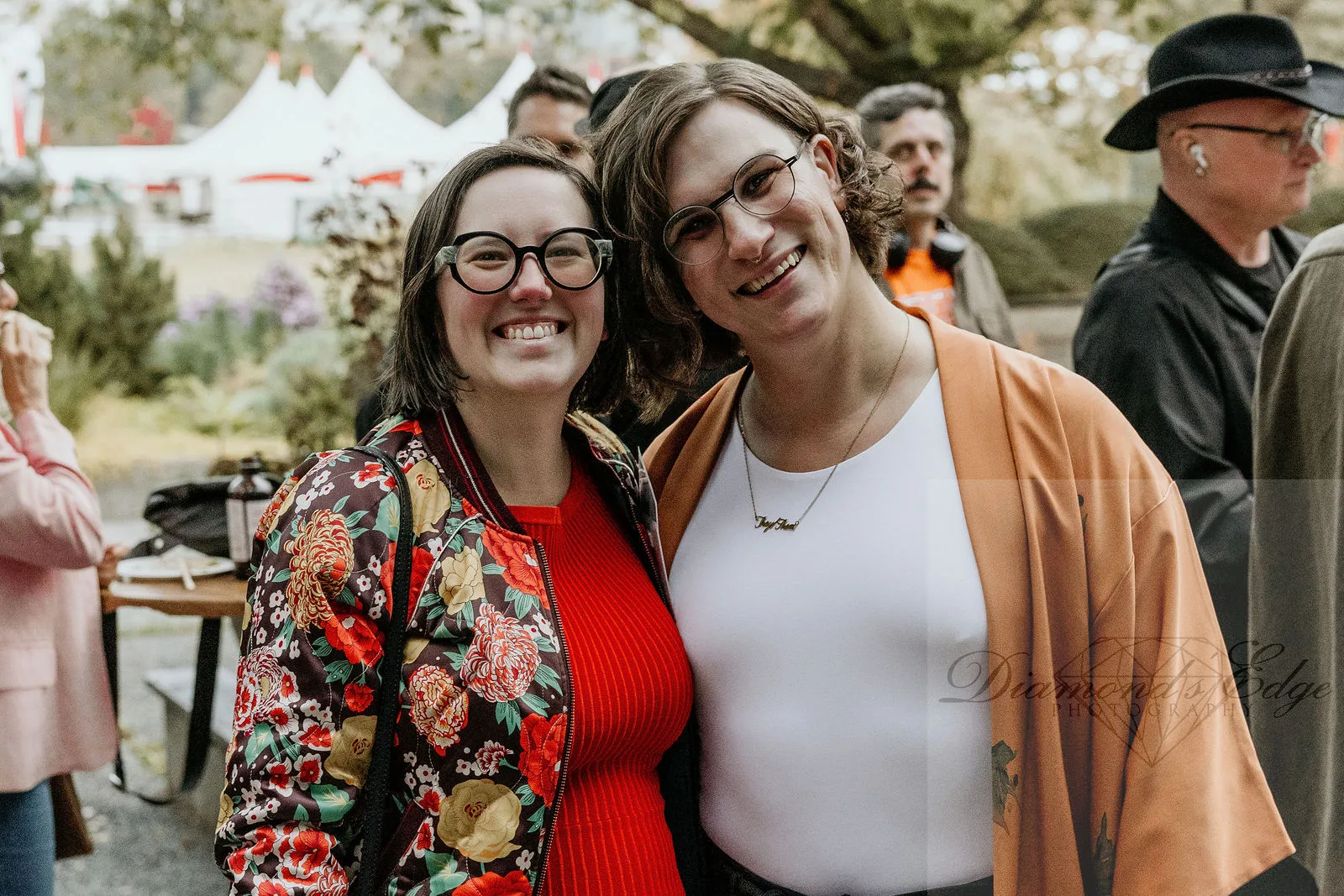
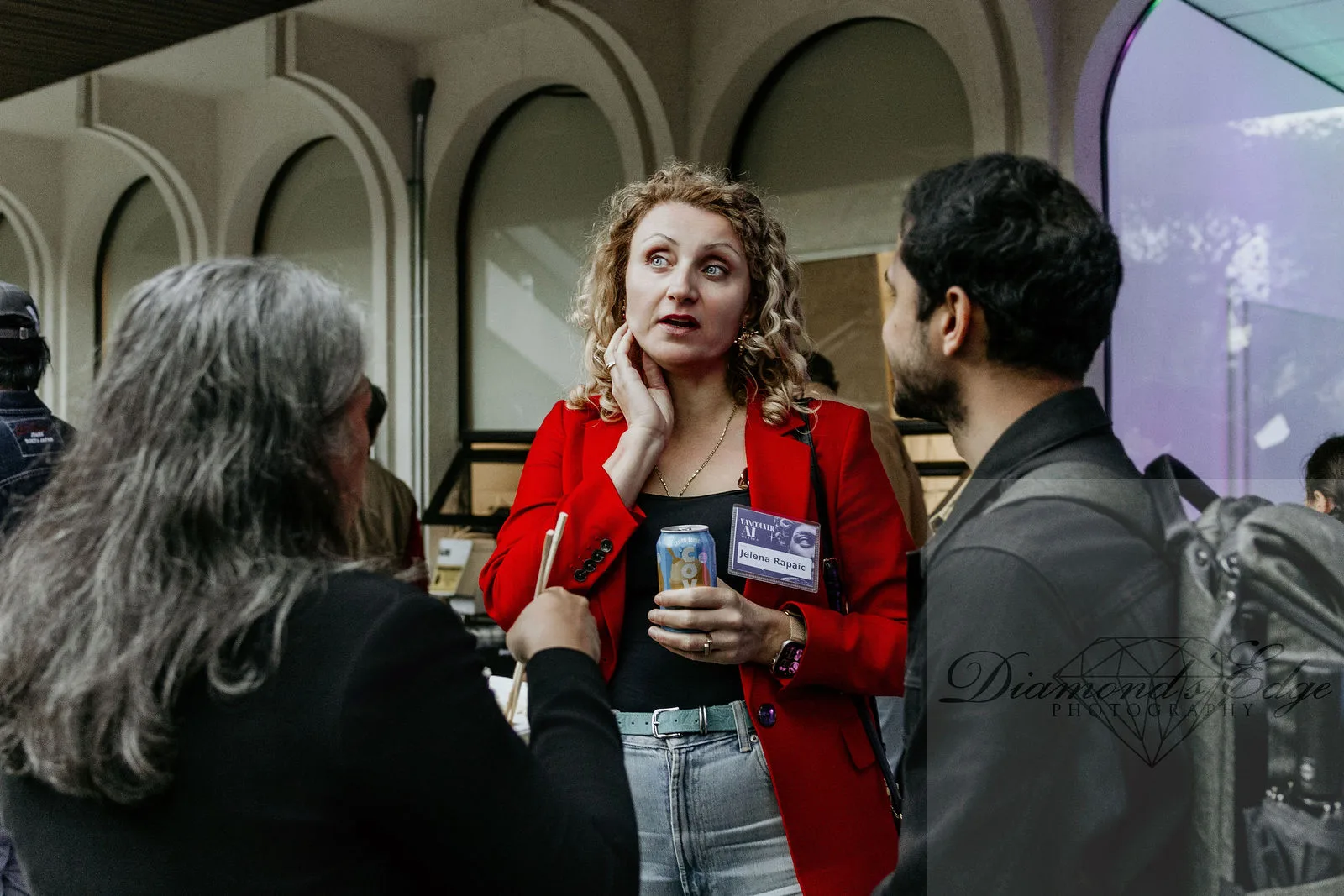
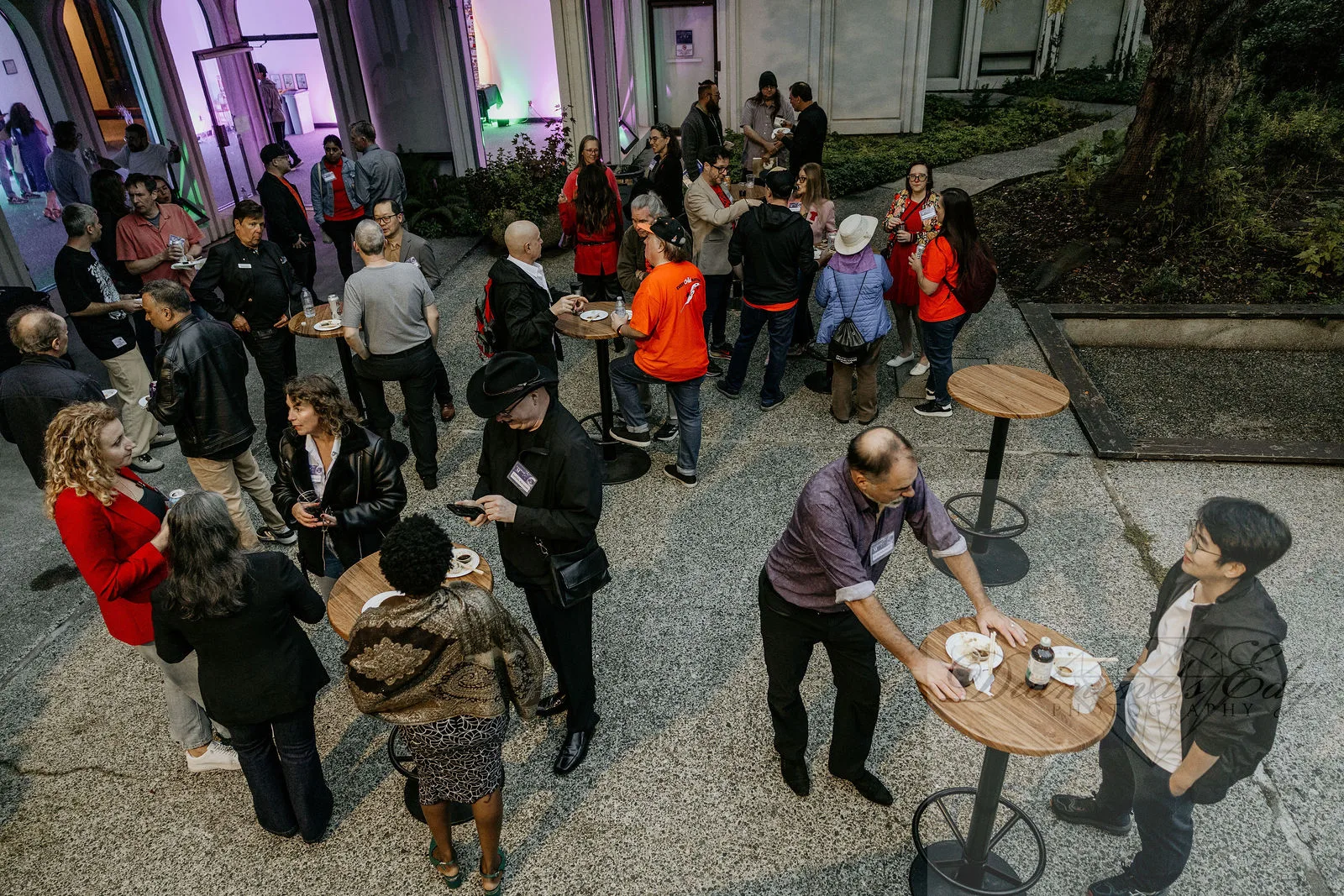
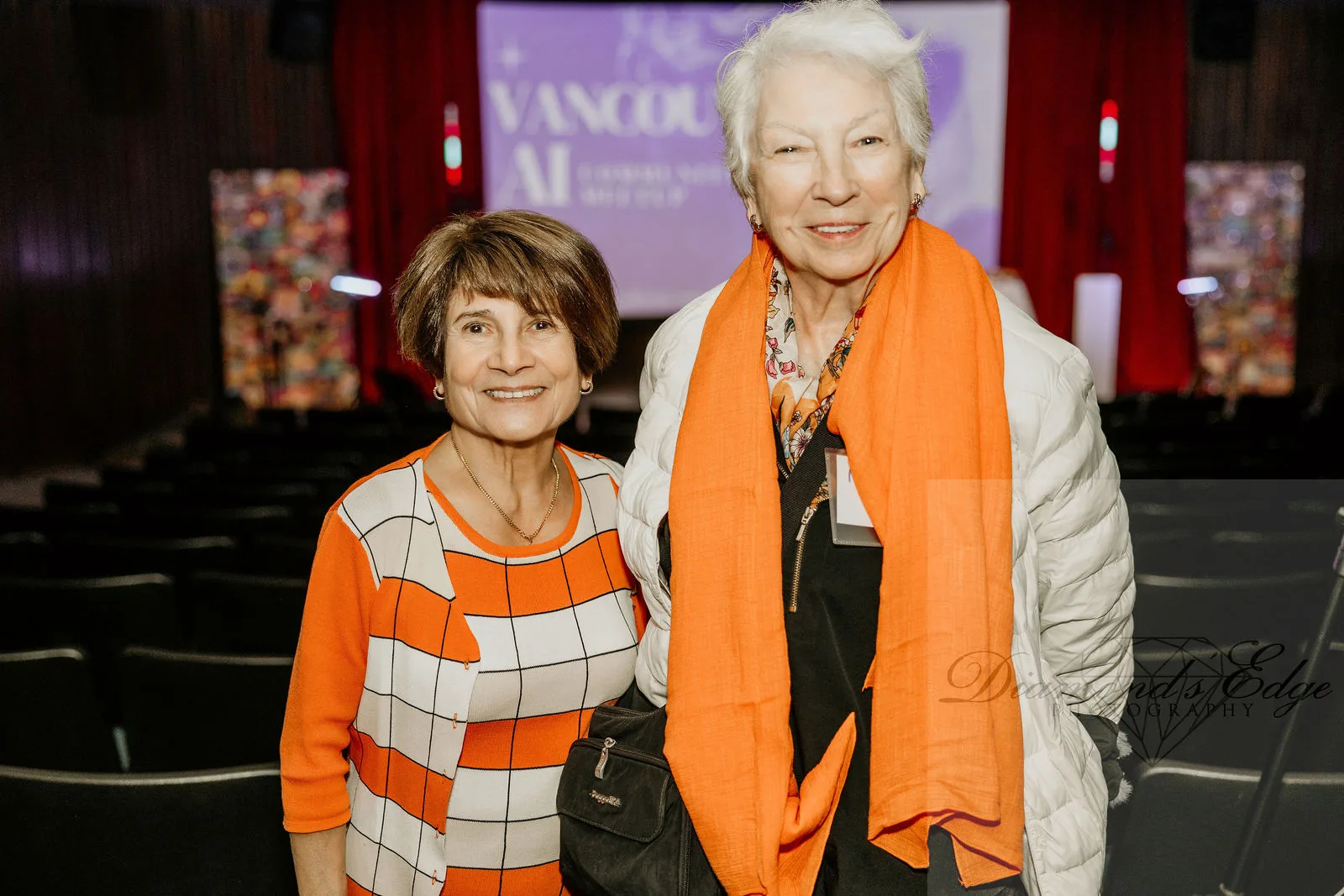
Full recording
2 hours, 14 minutes. The welcome, the talks, the disagreements, and the people who showed up.
The recap
A record. A person.
A way to appeal.
The AI Ethical Futures Lab brought its work on Canada’s AI transparency consultation to the main stage. The room took it further.
The welcome / 01:35
Anthony Joseph
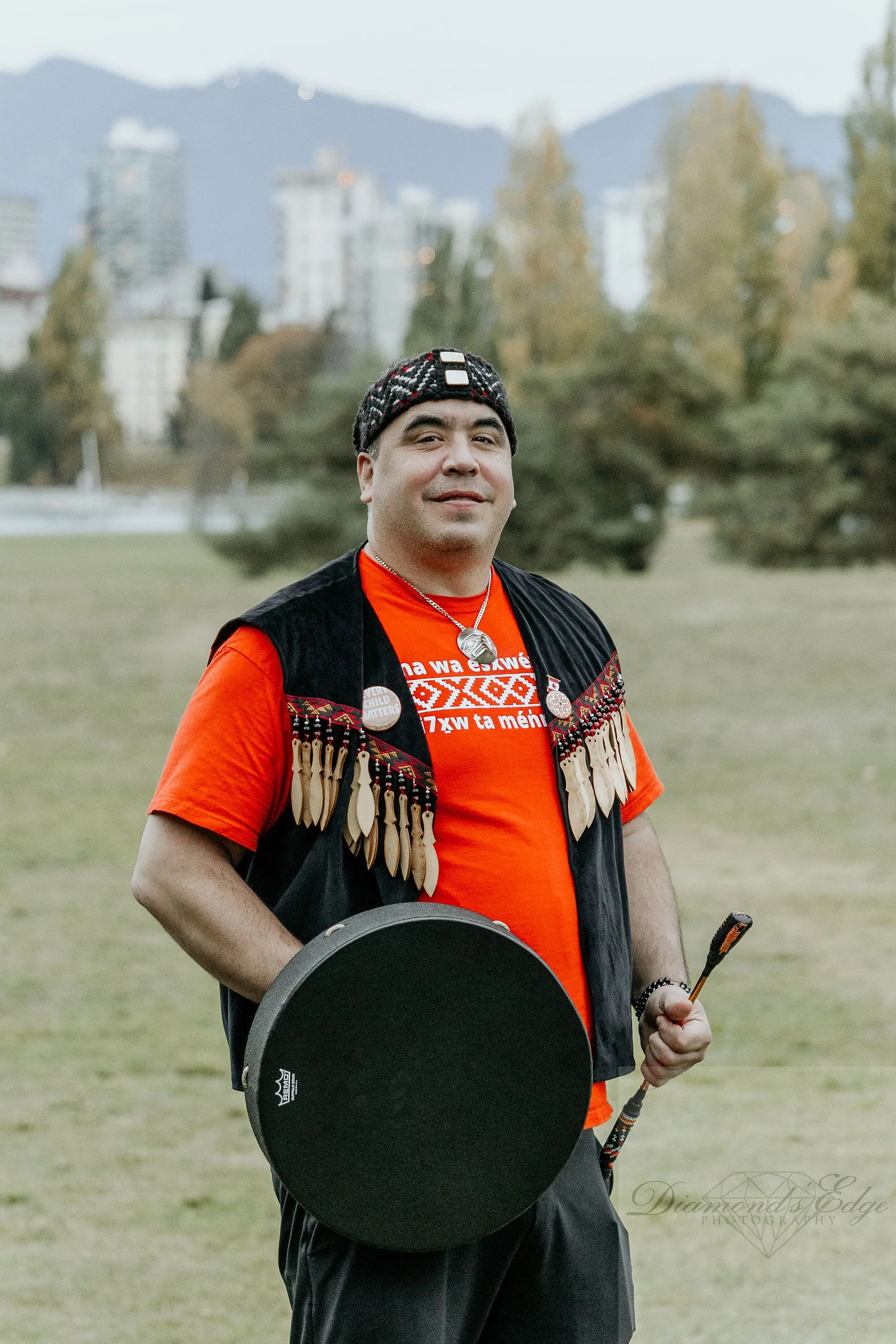
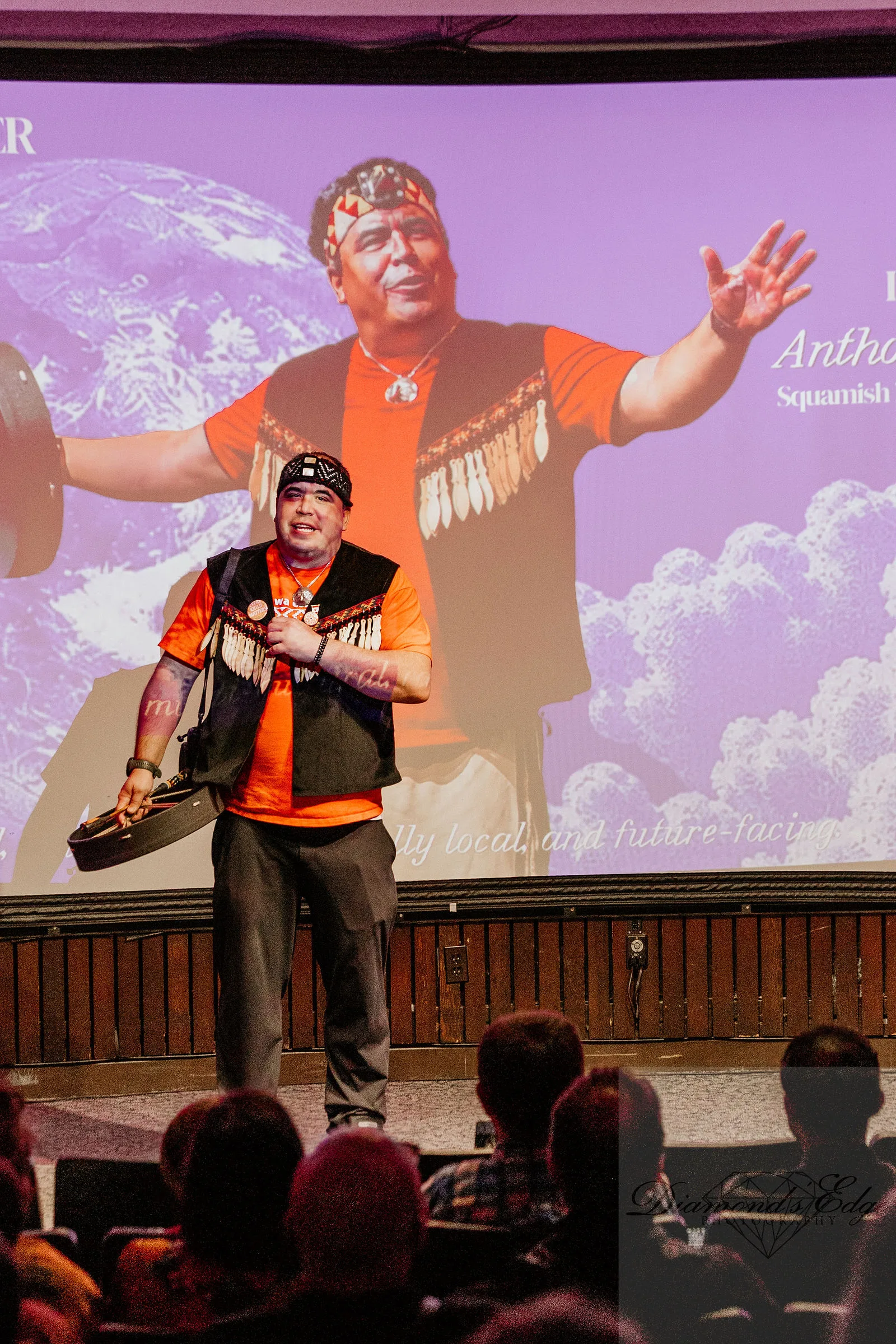
September 30 was the National Day for Truth and Reconciliation. Anthony Joseph of the Squamish Nation opened with a welcome and song. He spoke about the day’s gatherings in Squamish, education, and the work of reconciliation. Kris asked everyone to consider what that work means in their own lives.
That opening stayed with the room. Both featured speakers returned to it before their talks; questions of consent, authority, and whose knowledge gets used came back during the discussion.
The community / 16:15
A lot happens between meetups.
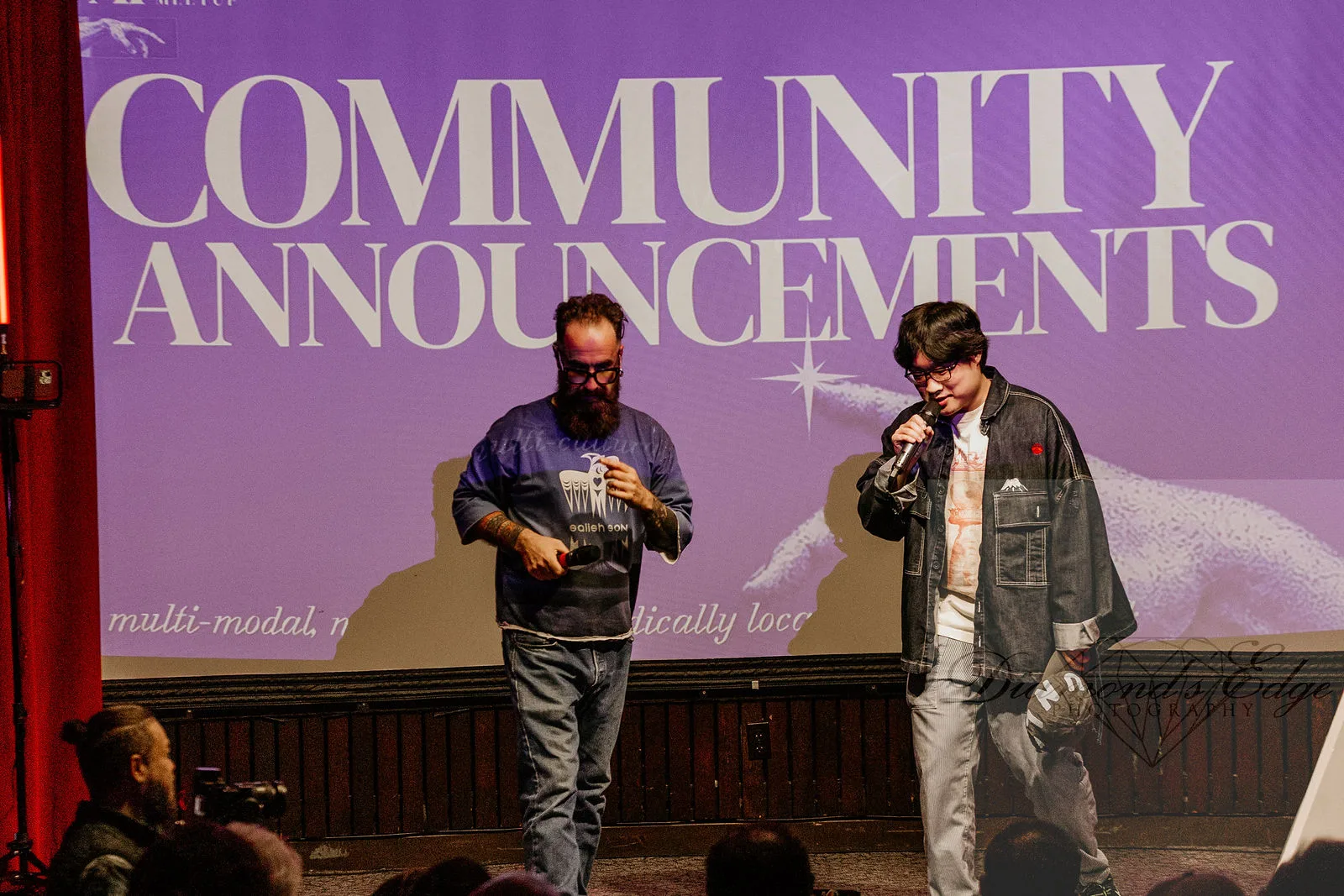
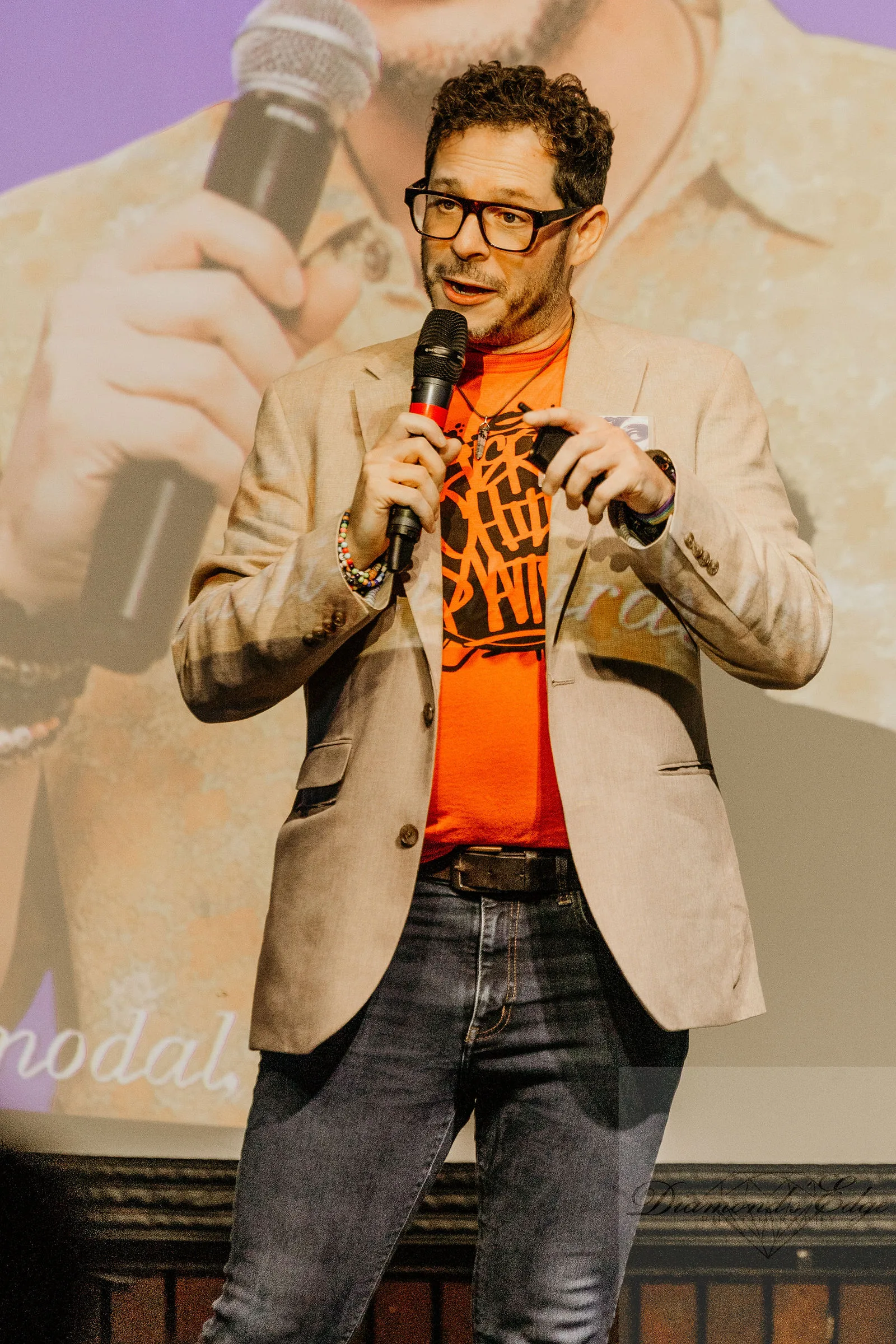
Suzy Easton introduced the AI + Music group. Gordon Hamilton returned with a Data for Good update. Darren Coleman reported from Fraser Valley AI, Simon Haworth brought work from AI + Life Sciences, and Kevin Friel shared the AI Film Club’s growing collection of short films.
Before all of that, Kris called up the volunteer crew. Registration, sound, video, food, the last sweep of the building: there are people behind every part of these nights.
Provenance & local AI / 56:00
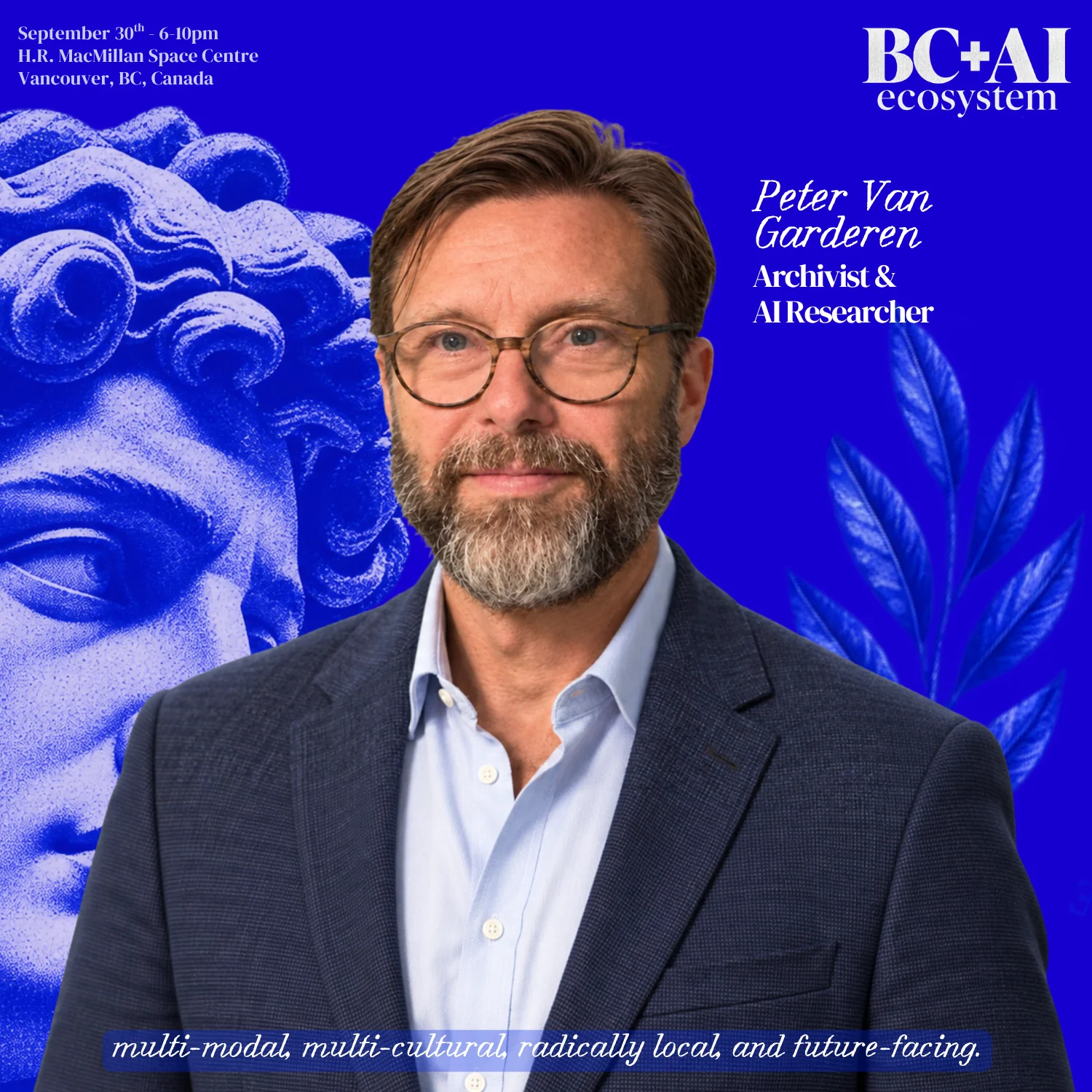
Peter Van Garderen
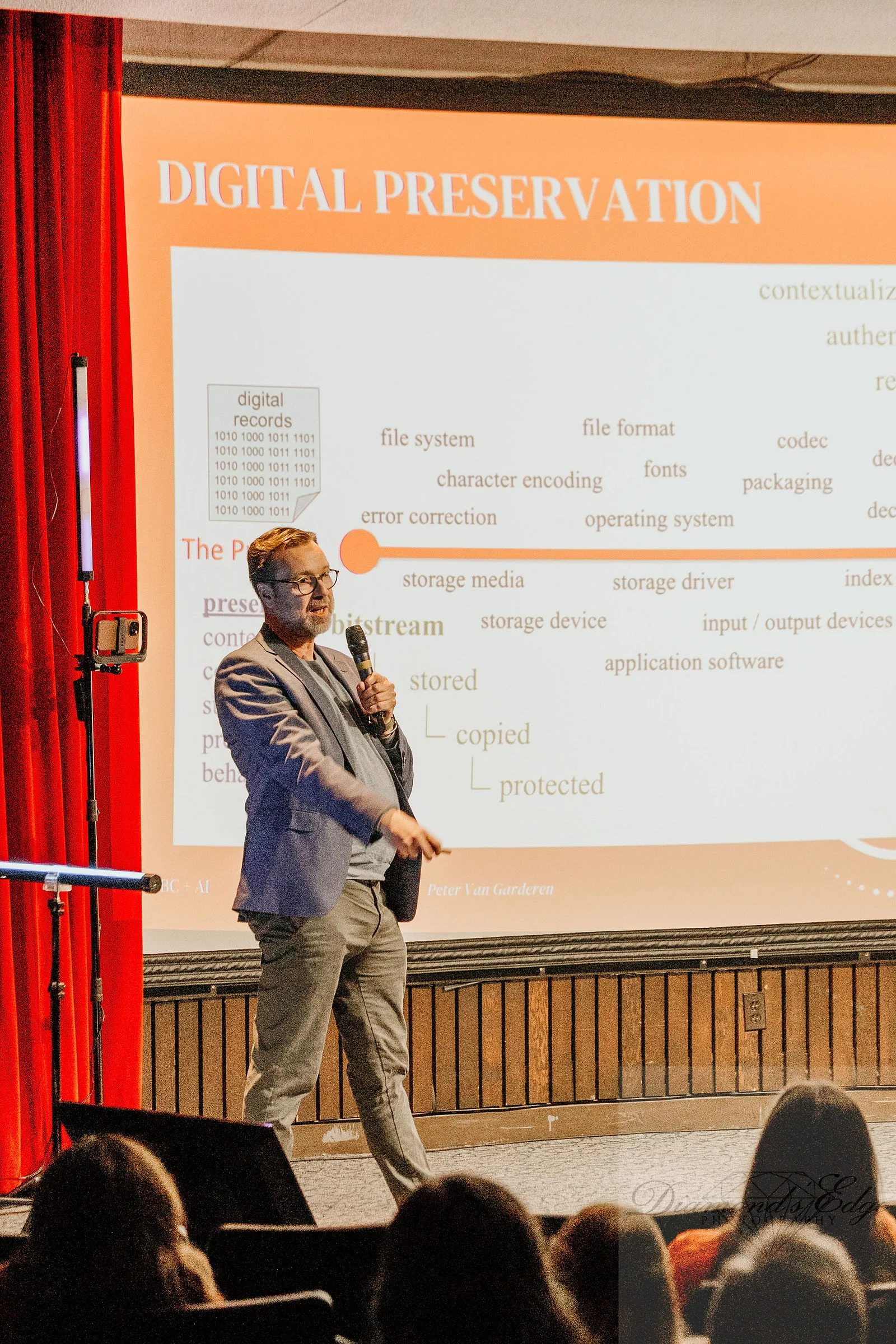
Peter started with a room, one microphone, and a federal consultation that the group decided to answer together. He had facilitated the August Lab session; its recording, transcript, and notes became the raw material for the collective report.
Then the archivist took over. How do we know where a record came from? What changed along the way? Who stands behind it? He carried those questions from archival practice into AI-generated images, Content Credentials and C2PA, and his local-first photo and video project, ImageSquid.
He put six images in front of the audience: three camera-made, three AI-made. A useful reminder that looking closely and knowing the history of an image are different things.
Trust & accountability / 1:17:58
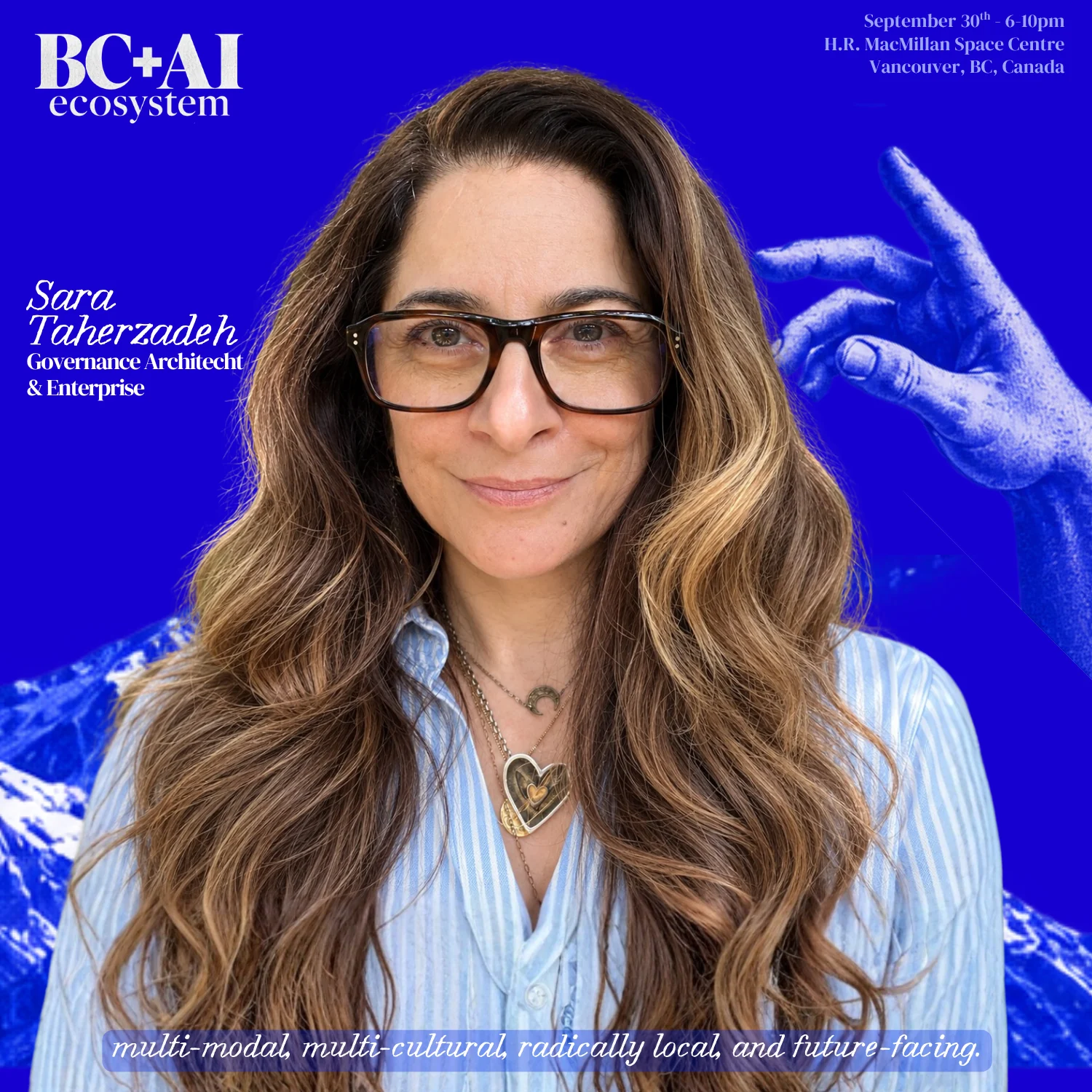
Sara Taherzadeh
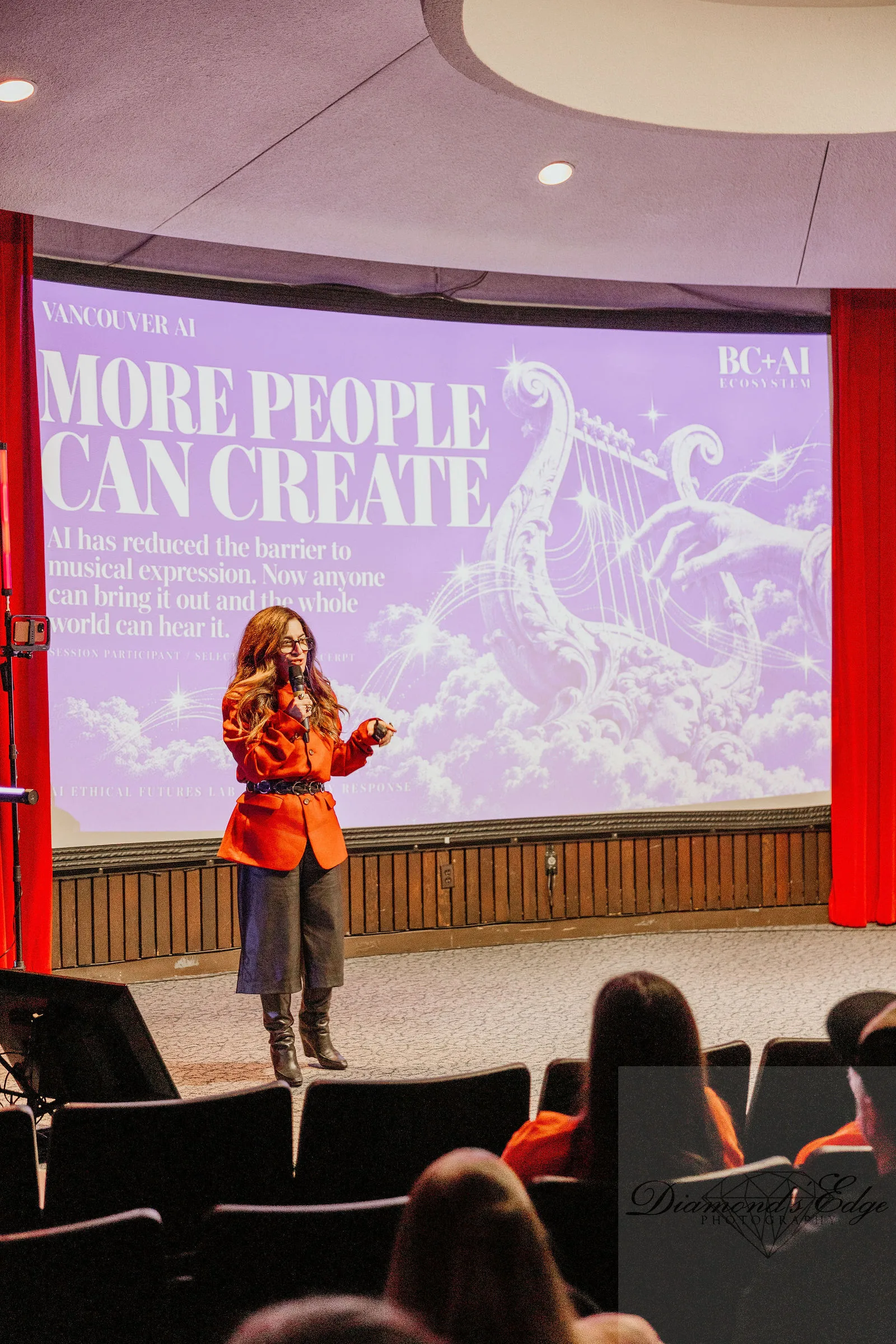
Sara spent two weeks with the Lab recording and turned the conversation into the report. The finding she brought back was trust in the process: people wanted to know whether anyone was listening, whether their input could change an outcome, and who would make things right when a system caused harm.
Her background in nursing and health technology kept the discussion close to the people living with the consequences. Identity, consent, and accountability have to work outside a policy document.
Three practical conditions kept coming up: plain language, time to think, and a visible connection between participation and the decision that follows. A record. A person to contact. A way to appeal.
The floor opens / 1:48:02
The room pushed back.
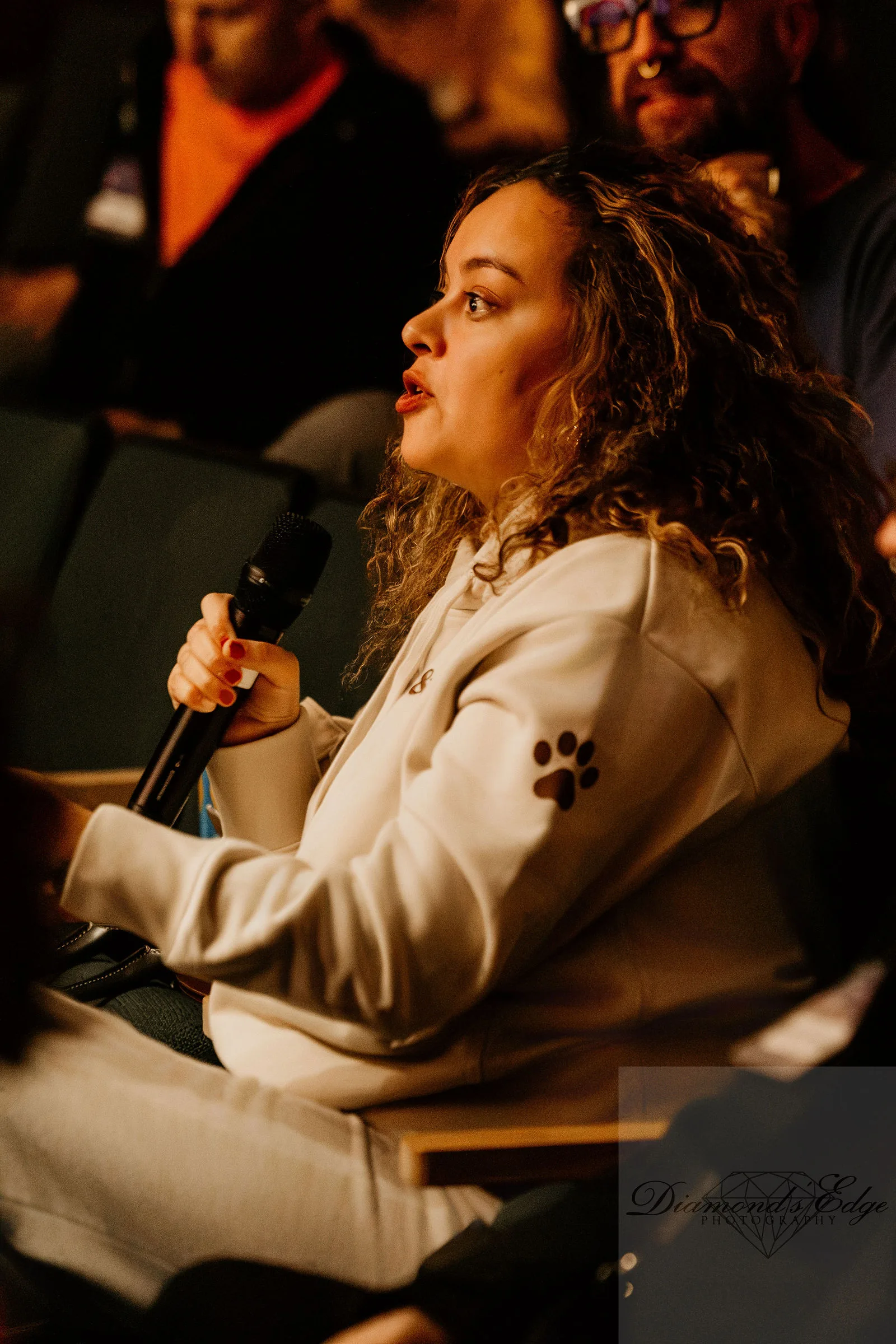
The questions moved through jurisdiction, disclosure, and Indigenous data sovereignty. Who gets to decide how knowledge is used? What can a person actually do with a disclosure? Who holds power once a transparency system is in place?
That argument carried into the closing remarks. Kush challenged centralized watermarking and asked whether provenance tools could become another form of surveillance. The disagreement belongs in the record too.
An unexpected guest / 2:04:51
Ben Shneiderman, in the room.
Kris brought Ben Shneiderman up from the audience. The author of Human-Centered AI put people first, acknowledged both AI’s impressive capabilities and its flaws, and even got into the story of blue hyperlinks.
Then came the close, homemade cookies, and more conversations. Thirty-three meetups in, there is still plenty to argue about, and good reason to keep coming back.
04 / Keep the conversation going
What BC
told Ottawa.
The Lab’s collective submission, the questions behind it, and the public record of the work.
Explore the transparency project ↗