
The Space Between Worlds
September 24, HR MacMillan Space Centre. 200 BFFs packed into a planetarium while elsewhere UBC running 2025 Immersion Week, All In AI Event happening in Montreal, sovereign AI conversations spinning up across Canada.
We gathered to talk about something most tech conferences won't touch: who gets to decide how Indigenous knowledge enters AI systems, and what happens when you actually ask permission first.
The room smelled like possibility and tension. Good tension. The kind that means people give a shit.
This wasn't another meetup where someone demos the latest model and everyone claps. This was 21 consecutive months of building community infrastructure hitting a moment where the questions got harder and the answers got honest.
Michelle Diamond was making photos. Victor Serbin and Kevin Friel had the video rig running. Roz, Zaro, Schwartzman, Alex (the crew that keeps this ship tight while I hold it loose) made sure bodies had space, sound worked, and nobody got lost looking for the bathroom.
I opened simple: "This is as much for the AI expert as the AI curious. The thing about this tech is it affects our moms and our grandmas as much as it affects us." Then I shut up and let the room teach me.
Jonny Williams (Squamish Nation)
Jonny Williams walked to the front and sang.
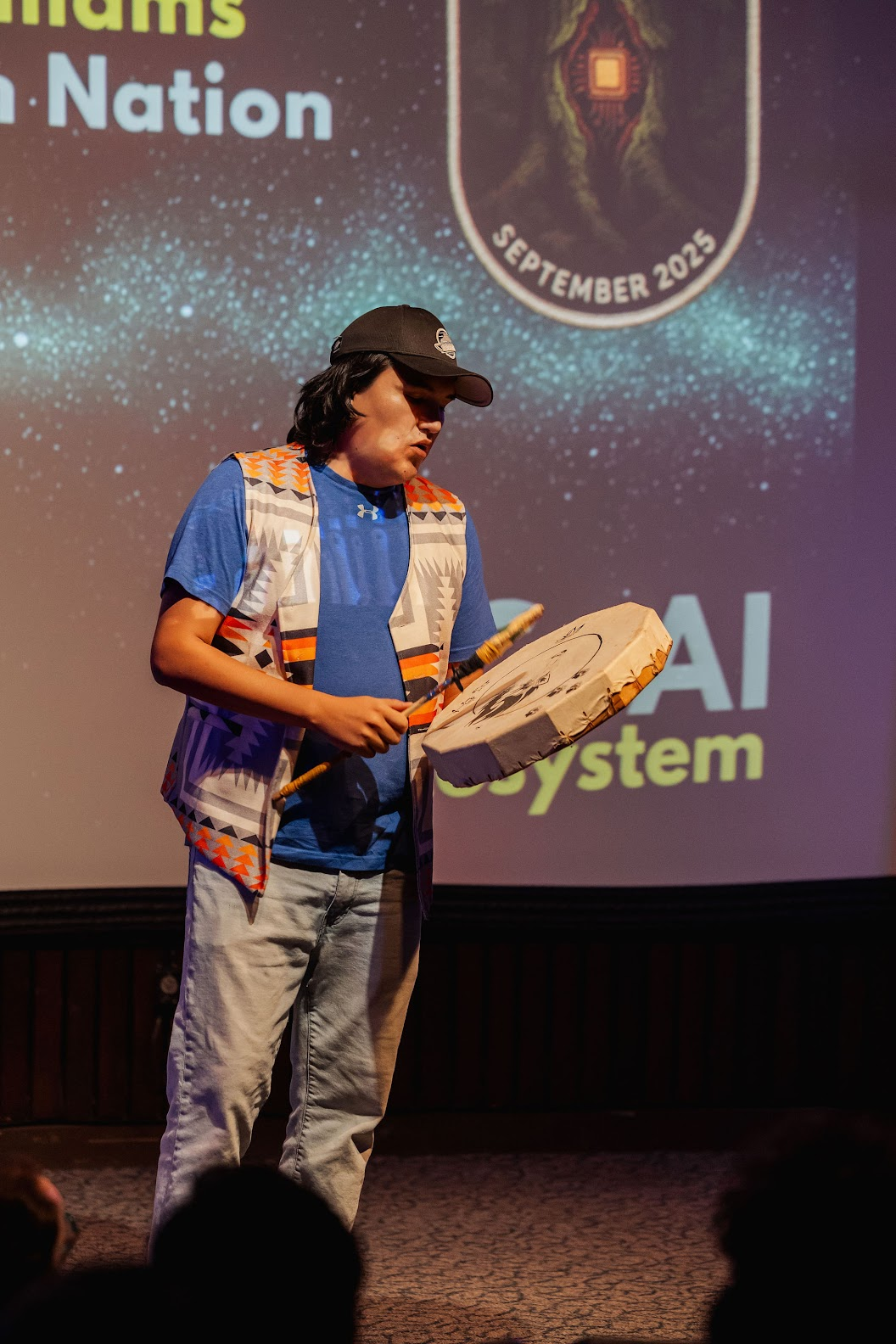
Not performed. Sang. A traditional chief song with weight behind every note. The kind of cultural transmission that predates every tech stack in the room by centuries.
When he finished, he didn't transition to a slide deck. He just started talking about his work.
"AI allowed me to go from being a document parser to being a cultural advisor."
Here's the context you need: Jonnny works cultural consultation for Squamish Nation. That means when development projects happen on unceded territory, he's in the room making sure Squamish perspectives and protocols are heard. But the paperwork is crushing. 200-page environmental impact assessments, legal briefs, technical reports designed to bury the truth in jargon.
AI tools let him parse those documents fast. Extract the sections that matter. Identify where developers are playing word games or hiding ecological damage in footnotes. That efficiency shift isn't about productivity theater. It's about survival.
Because here's the other number that matters: 10 traditional Squamish speakers remain. The elders who hold the language in its deepest form. Then roughly 60-70 new generation speakers like jonny, fighting to keep it alive while navigating a world designed to erase them.
Jonny's currently running for Squamish Nation Council. This isn't side-hustle activism. This is full-spectrum cultural preservation work where AI is one tool among many, and the stakes are language death versus language survival.
The questions jonny raises aren't abstract: If he trains an AI on Squamish language materials, who owns that model? If that model helps preserve the language but gets bought by a corporation, what happens? If younger speakers use AI assistance to learn, are they learning the language or learning an approximation?
No easy answers. Just jonny doing the work while the questions clarify.
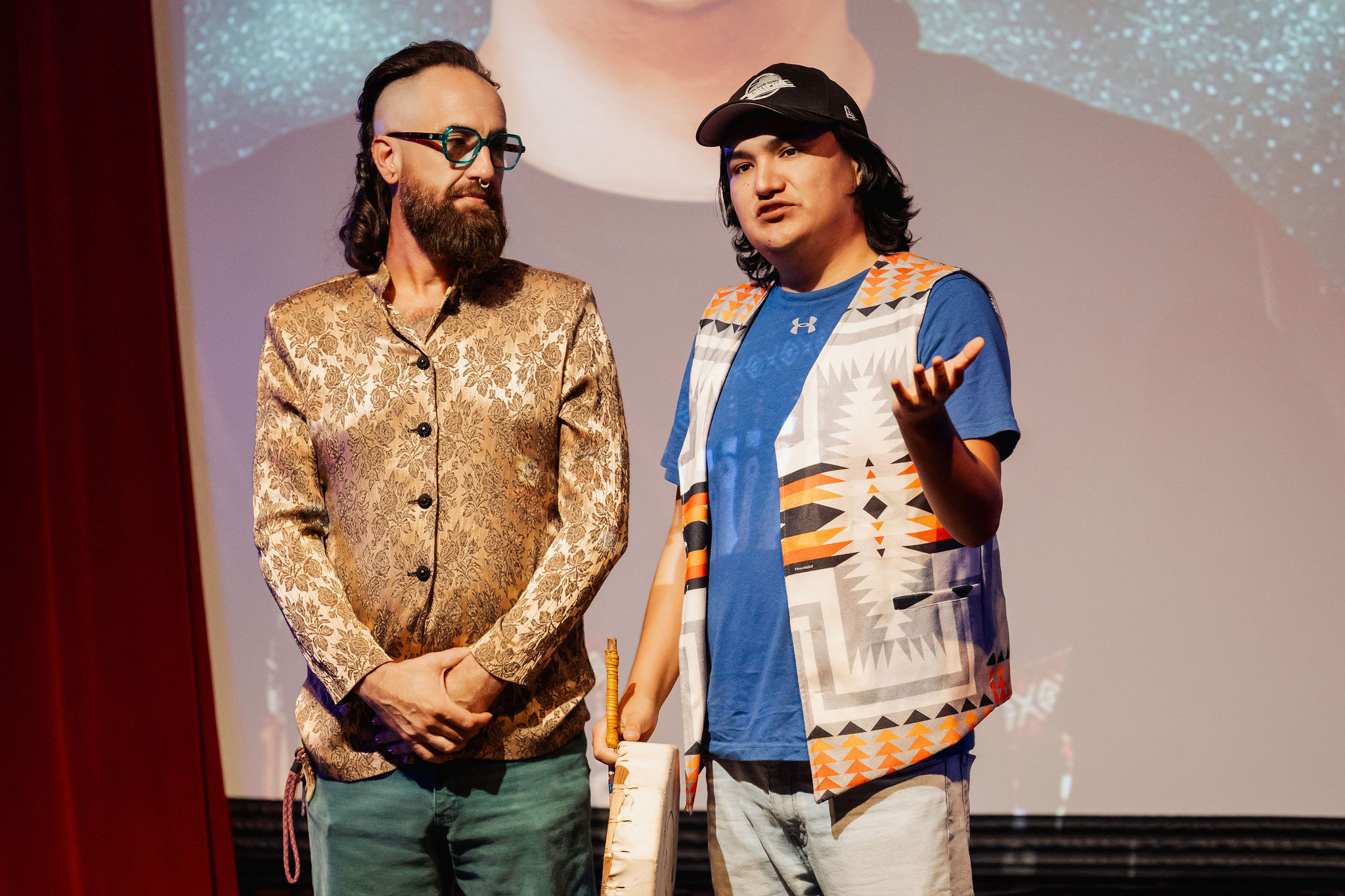
"Everything on this earth is together," he said. "What happens out there is gonna happen to us in our bodies too."
Ecology as epistemology. The land teaches before the algorithm does.
DIGITAL WISDOM FROM JAPAN: Dave "Uncleweed" Olson
Dave Olson couldn't make it in person (he's in Japan) so he sent a video message that hit harder than half the keynotes I've seen at conferences with $5 million budgets.
25 years as a digital archivist. Lived through every wave of tech promising to "democratize" knowledge while actually centralizing control. Survived the format wars, the platform consolidations, the death of a thousand startups that swore they'd last forever.
Uncle Weed's three principles for AI development:
1. Gather stories with interestingness: Not engagement metrics. Not virality. Interestingness. The stuff that makes you lean forward. The conversations that stick. The moments that matter even if they don't scale.
2. Always be archiving: Memory is infrastructure. If you're not documenting, you're letting future generations start from zero. Every conversation, every experiment, every failure: capture it. Not for surveillance. For continuity.
3. Always be kind: "You never know who you're gonna meet on your journey. This includes feeding your robots endless goodness."
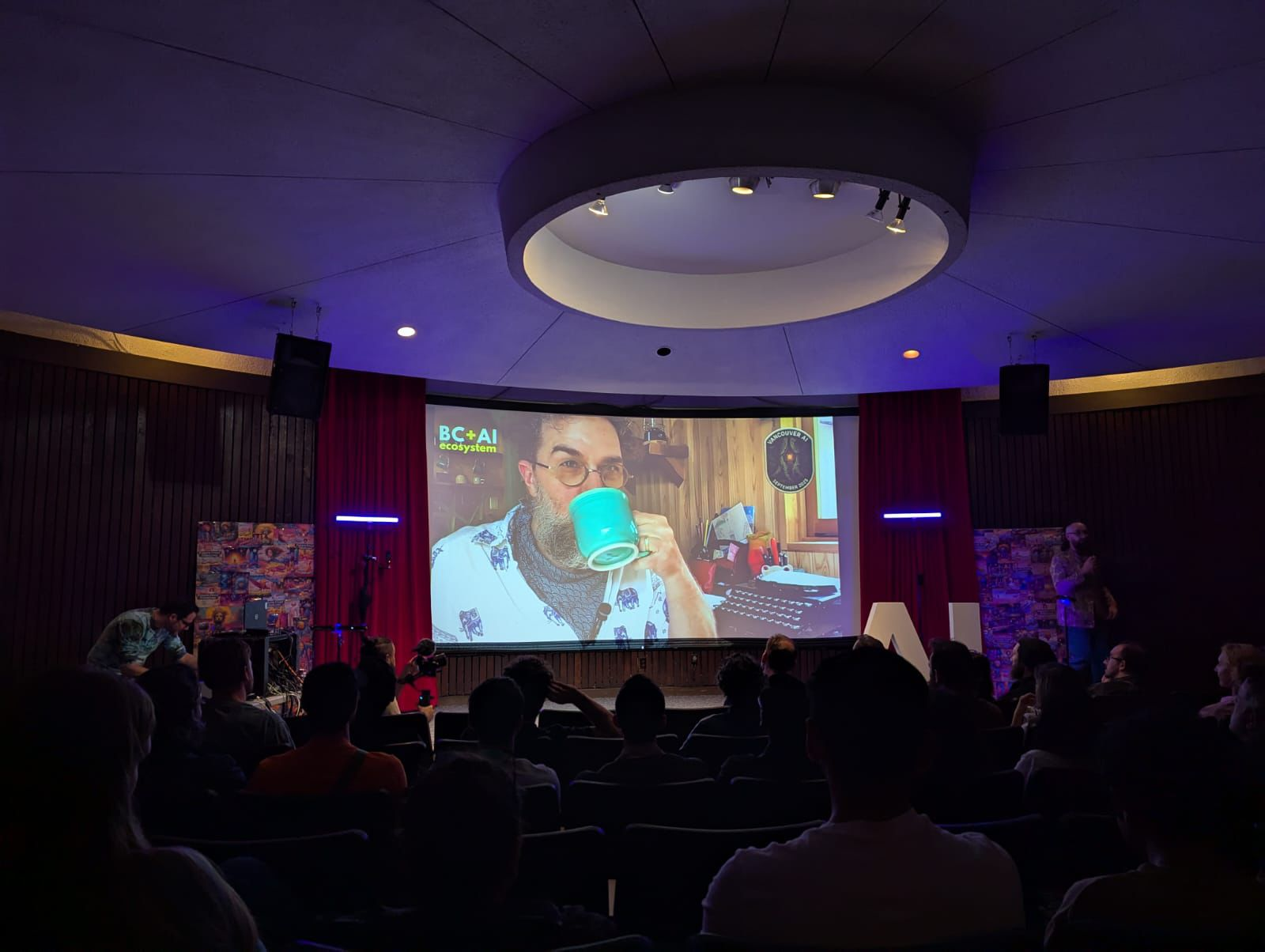
That last line killed me. Teaching AI empathy isn't about making chatbots say "I understand how you feel." It's about the training data we feed these systems. What stories we choose, what voices we center, what version of humanity we're encoding into the weights and biases.
Dave's been doing this work since most people in the room were learning to walk. The elder energy via video screen. Respect.
KEYNOTE: Manuel Axel Strain (Forests That Talk Back)
Then Manuel Axel Strain took the mic and proposed something that'll make most AI conferences deeply uncomfortable: Building AI systems so forests can tell us what they need.
Not biomimicry. Not nature-inspired optimization algorithms. Actual communication interfaces between human systems and plant networks.
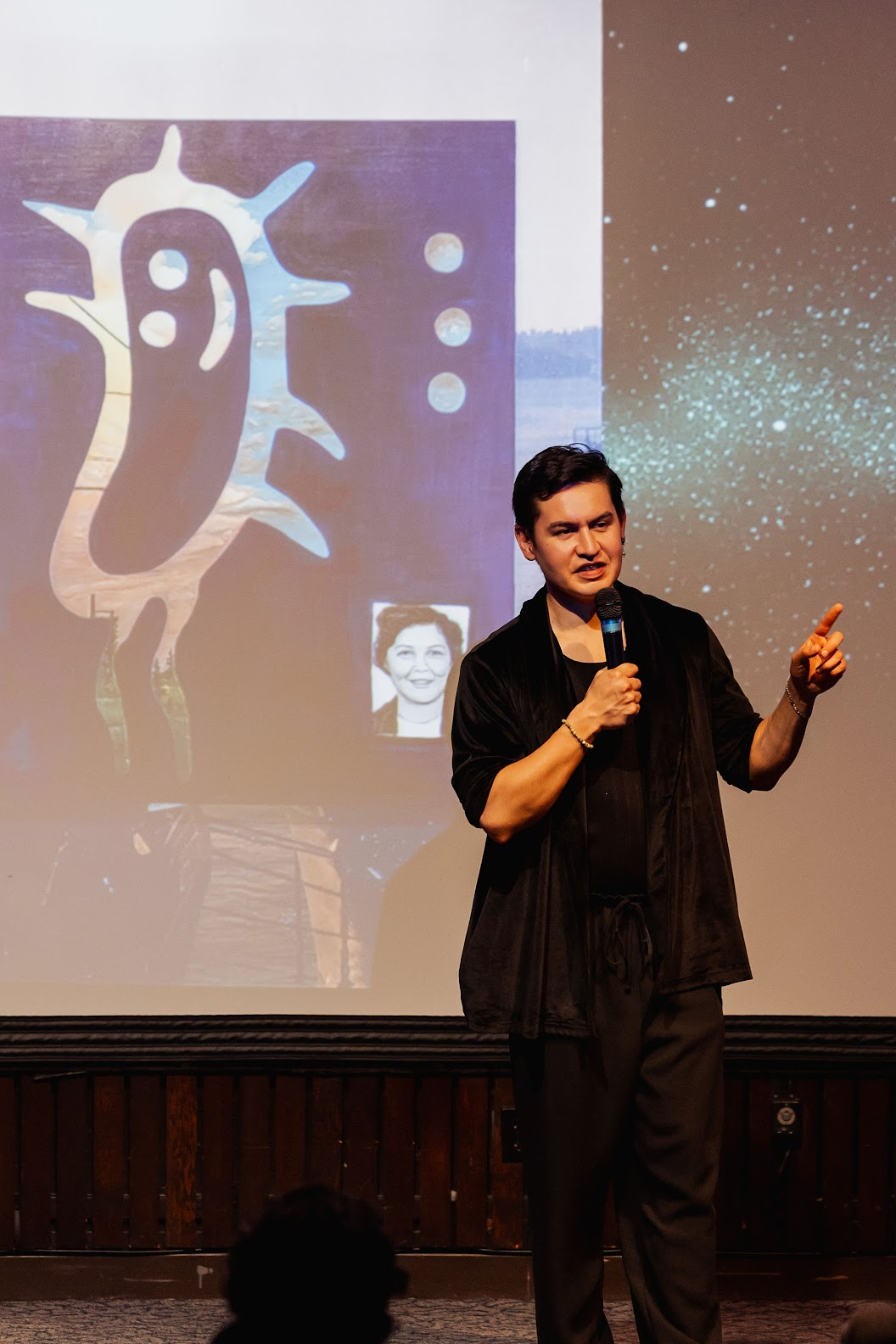
Manny's an artist, which means he's been asking impossible questions long enough that some of them start looking possible. He showed us his work:
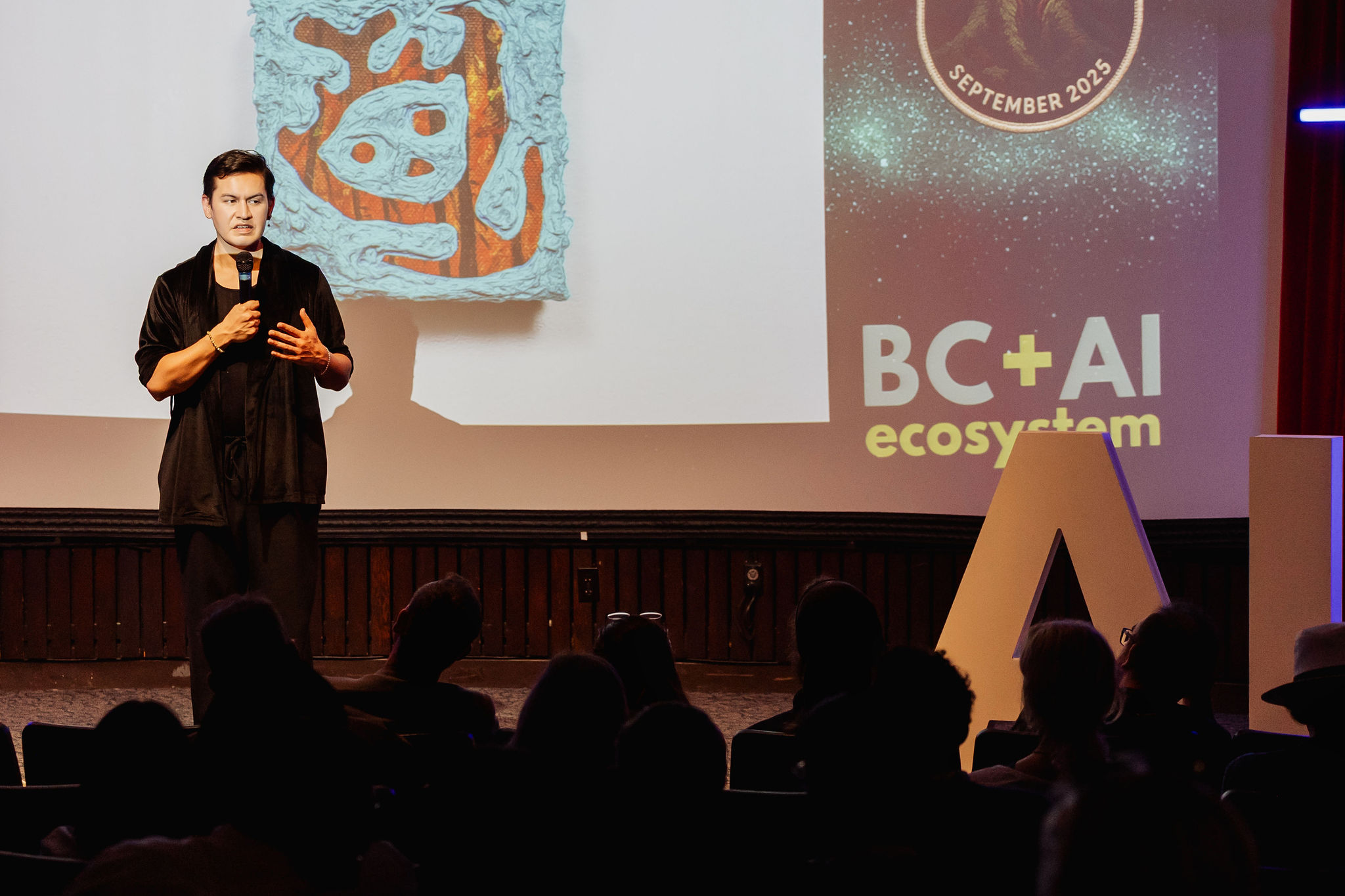
Paclitaxel installations: visual explorations of the chemotherapy compound derived from Pacific yew trees. The medicine that saves human lives extracted from forests we're clearcut logging. The irony rendered in gallery space.
"Lithium Over a Forest Fire": a piece connecting ecological crisis with mental health crisis. The same extraction economics that strip-mine forests for profit also optimize humans for productivity until we break. The fires burn in multiple directions.
Mycelium network visualizations: AI-generated imagery showing how fungal networks connect trees underground, with ancestral and genealogical threads woven through. The forest as communication system. The forest as memory storage. The forest as protocol that predates TCP/IP by 400 million years.
Then he got technical.
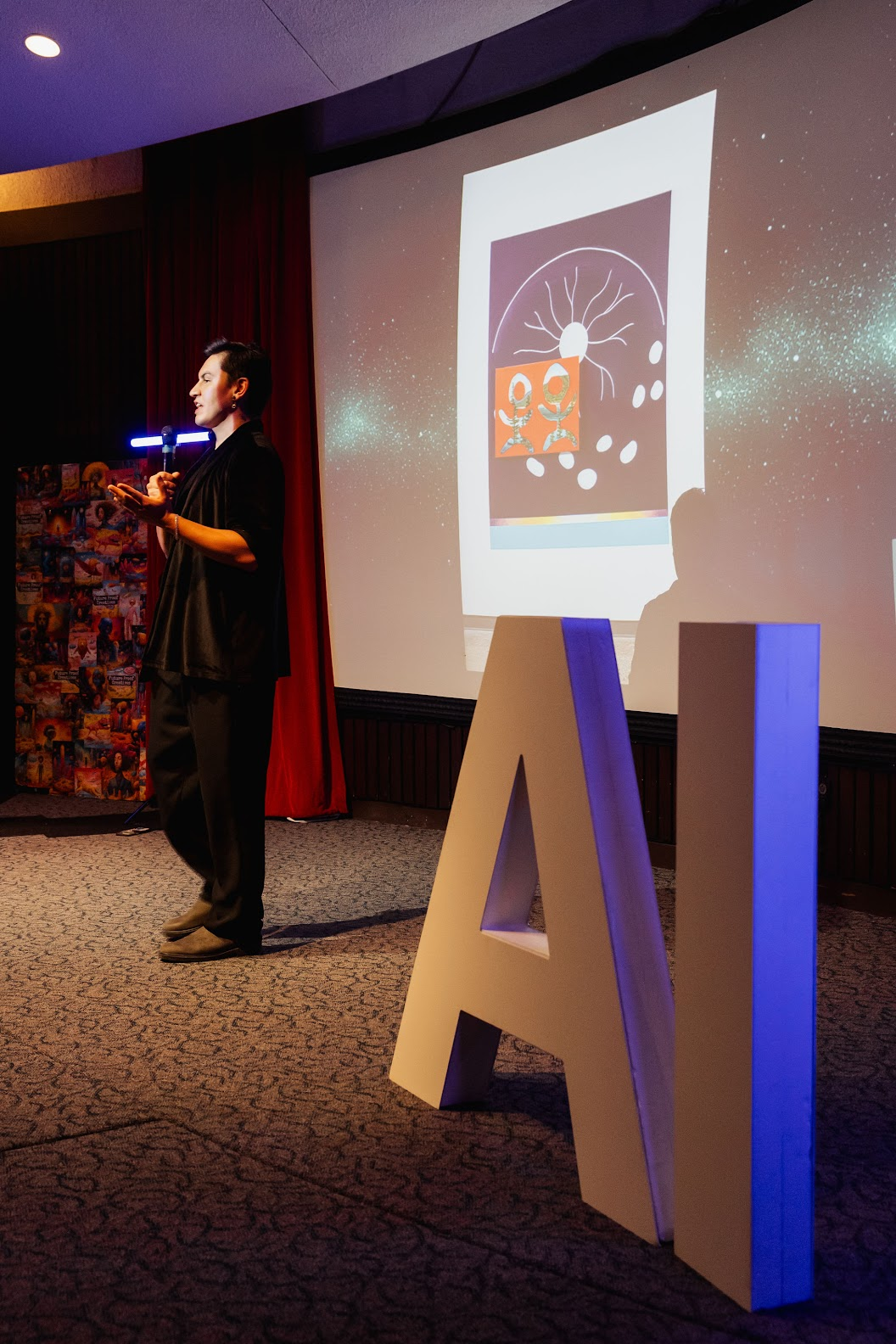
Working with Will (a puzzler/technologist who loves impossible problems) they're building a taxonomy that spans 9+ scientific fields studying plant communication. Bioacoustics. Chemical signaling. Electrical potentials. Root networks. Volatile organic compounds. Mycorrhizal information exchange.
The vision: non-invasive sensors that can read these signals. Interpretation systems that can translate them. Feedback mechanisms so humans can respond to what forests are actually saying instead of what we assume they need.
Indigenous knowledge provides the foundation. Cultures that have maintained relationships with plant intelligence for thousands of years. The science is catching up to what elders already know: plants communicate, they remember, they respond, they teach.
"Everything on this earth is together," Manny said, echoing jonny's framing. "What happens out there is gonna happen to us in our bodies too."
His dad was in the room too. When Manny got deep into the plant communication theory, his dad shouted from the audience:
"That tree's just gonna tell you to fuck off!"
Room exploded. Perfect comedic timing. Also maybe true. If we've been clearcut logging forests for centuries, first contact might not be friendly.
But here's where it gets real: Manny and Will need sensor technology experts. They need funding. They need partnerships across disciplines. They need the kind of collaboration that doesn't fit neatly into grant applications or VC pitch decks.
This is infrastructure work for ecological regeneration. Revolutionary if built with proper protocol and Indigenous leadership. Extractive as hell if it becomes another way to monetize traditional knowledge without consent or compensation.
The room held that tension. No one pretended it was simple.
THE PROTOCOL CONVERSATION
After the presentations, we opened it up.
The question that emerged (the one that makes most AI conferences squirm and change the subject) is this:
What are the protocols for sharing traditional knowledge when building AI systems? Who decides? Who benefits?
Not "responsible AI guidelines." Not "ethics frameworks."
Protocol. The actual rules. The consent mechanisms. The decision-making structures. The benefit-sharing agreements.
UNDRIP (United Nations Declaration on the Rights of Indigenous Peoples) provides legal framework. But implementation? That's where rubber meets unceded road.
The room included Indigenous speakers, policy researchers, engineers, artists, students, founders. The conversation stayed honest:
Someone asked: If we don't participate in AI development, won't traditional knowledge get scraped and used anyway without consent?
Someone else countered: If we do participate, how do we prevent it from becoming just another extraction process with better PR?
A third voice: What if the choice isn't binary? What if there are ways to build that center Indigenous sovereignty from the start?
No easy answers emerged. That's the point.
In Silicon Valley, the default is "move fast and break things" then "ask forgiveness not permission." That approach doesn't survive first contact with communities who've watched 150 years of "innovation" function as theft with better marketing.
Vancouver's geography forces different questions. We're on unceded territories (legally, not metaphorically). Musqueam, Squamish, and Tsleil-Waututh Nations never ceded their land. Every building, every startup, every tech campus operates on territory where sovereignty questions remain unresolved.
That changes what you can get away with. When the communities who invented complex ecological governance systems are your literal neighbors, "disruption" stops sounding innovative. It sounds like what it is: violence with a cap table.
The room held that tension productively. No one performed wokeness. No one virtue-signaled. Just people trying to figure out how to build differently because the old ways demonstrably don't work.
COMMUNITY INFRASTRUCTURE UPDATES
Between the big conversations, we handled the practical work of keeping community infrastructure alive.
BC AI Discord Launch
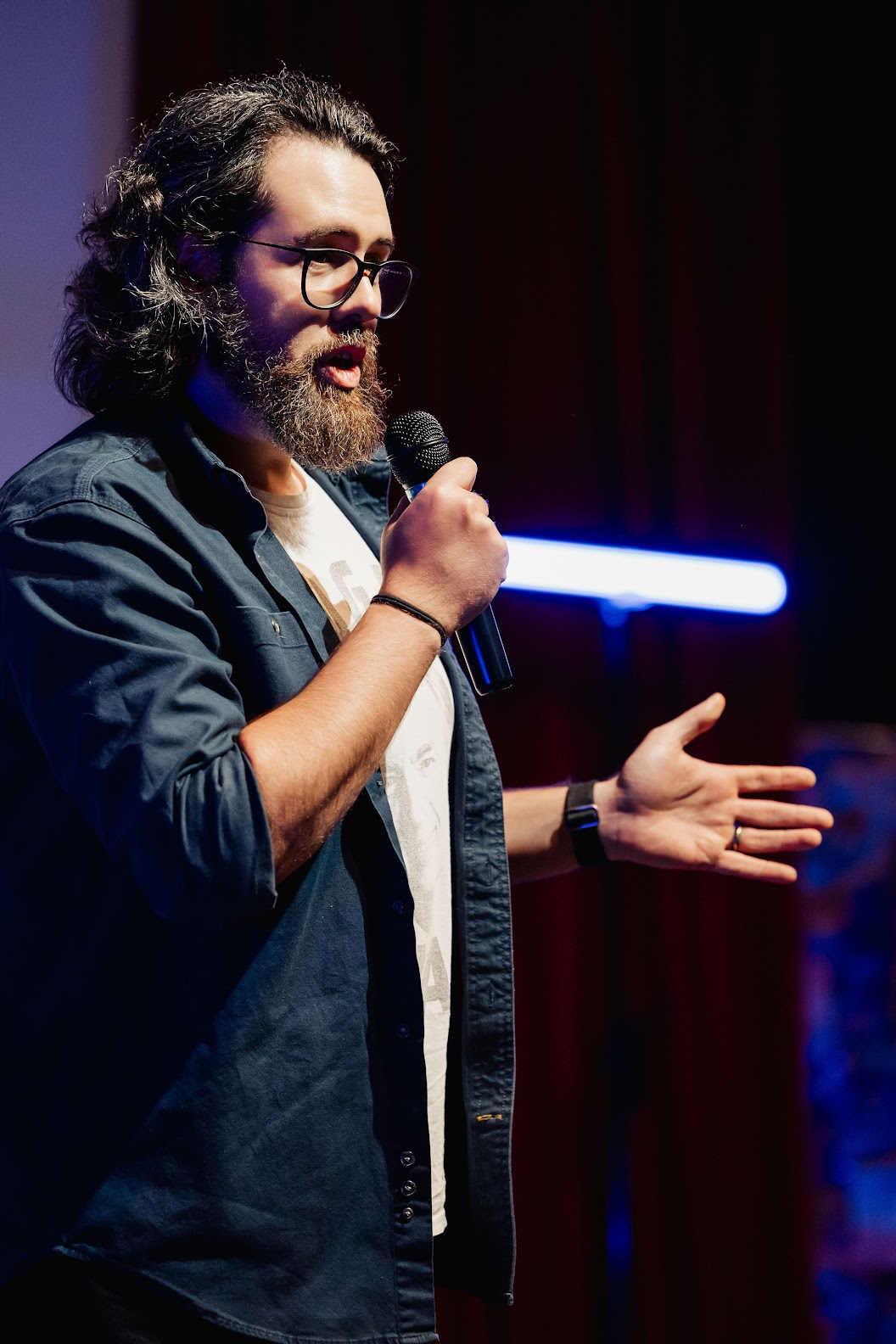
Gabe Zaro stepped up to announce the new BC AI Discord. Zaro's built 52,000+ member community servers for EA Sports. He knows the difference between a Discord that dies in three weeks and one that becomes actual infrastructure.
The BC + AI Discord includes:
- Custom onboarding that filters channels by interest (no one needs to see everything)
- Matchmaking systems for founders, investors, collaborators
- Permanent links for long-term knowledge building (not ephemeral Slack BS)
- Voice and video capabilities for subgroups
- Actual architecture, not just "let's make a server and see what happens"
This matters because most of the community happens between the monthly meetups. The ongoing collaborations. The DMs that turn into partnerships. The Discord is infrastructure for that.
Data Story Hackathon Round 4
We announced the fourth round of our Data Story Hackathon series, sponsored by Rival Technologies.
The dataset: music preferences from 1,000 Canadians. The prize: $2,500 plus exclusive winner's dinner. The deadline: October 15.
Previous winners: Dean Shev, Matt Sinclair, Sev Geraskin. People who shipped actual work, not just concepts.
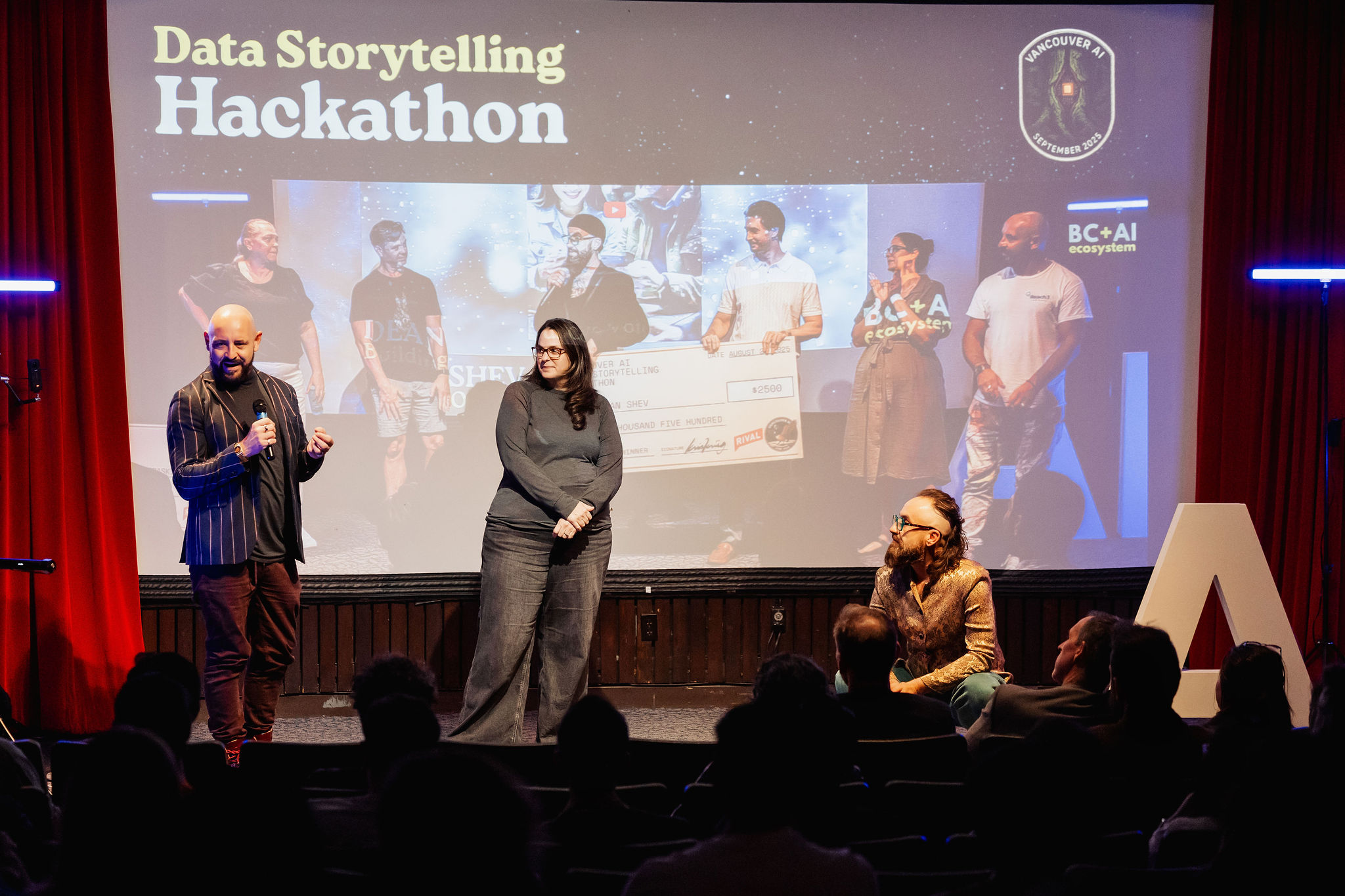
The hackathon model works because it's not about building startups. It's about data storytelling: using visualization, analysis, and narrative to make datasets reveal something true. That skill transfers everywhere.
AI Film Meetup Takeover
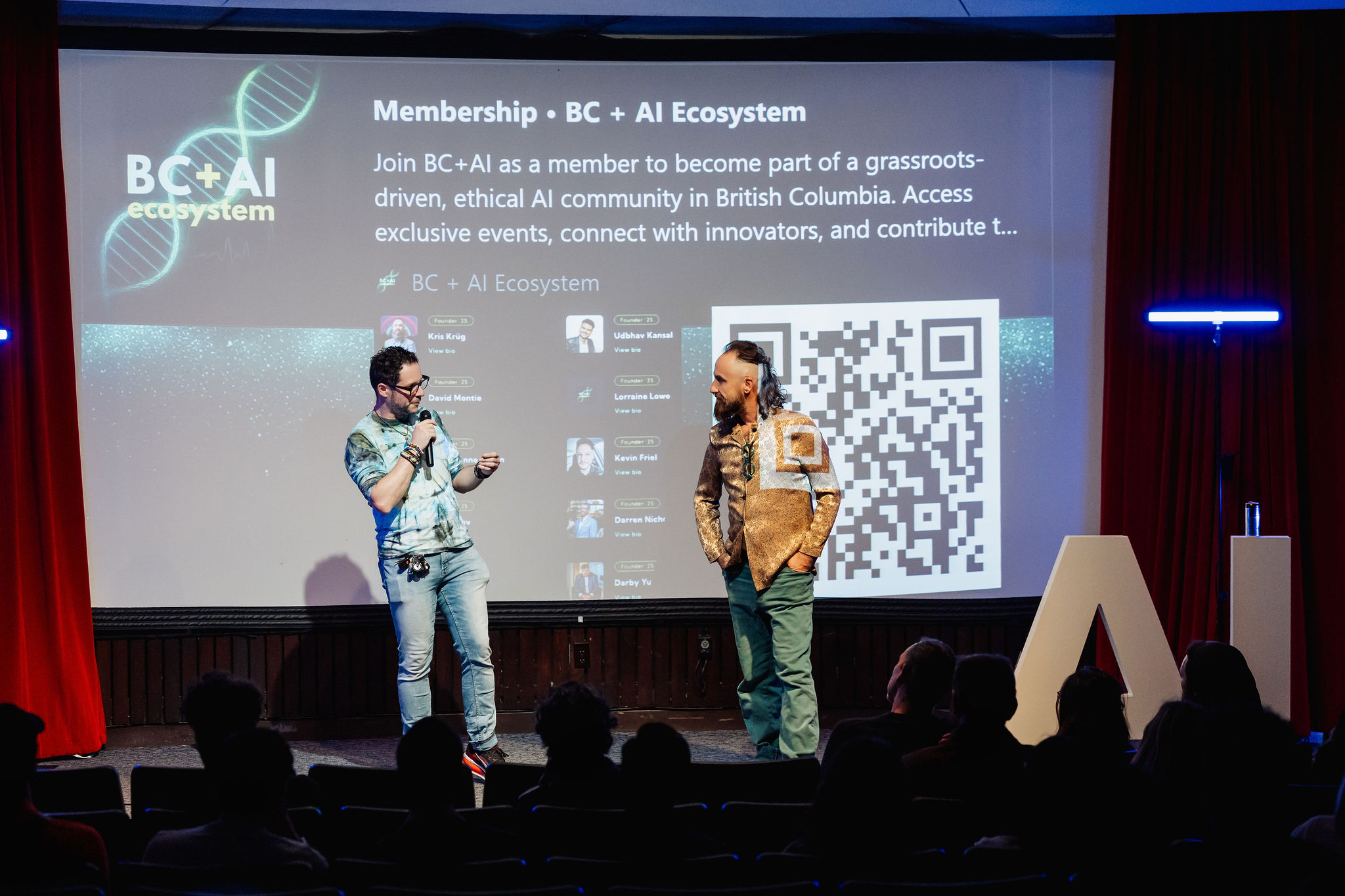
Kevin Friel AKA Mister Pixel Wizard AKA The Prompt Goblin announced the AI Film meetup takeover happening October 29.
Nearly 100 members already in the BC + AI Ecosystem Association Founding Members Circle. Timing syncs with Vancouver International Film Festival. VFX practitioners from Dune and Avatar confirmed they're attending.
This isn't "AI will replace filmmakers" panic. This is "how do people who understand cinematic language use these tools to make better work" exploration.
RECOGNITION & WINS
METACREATION Lab Success
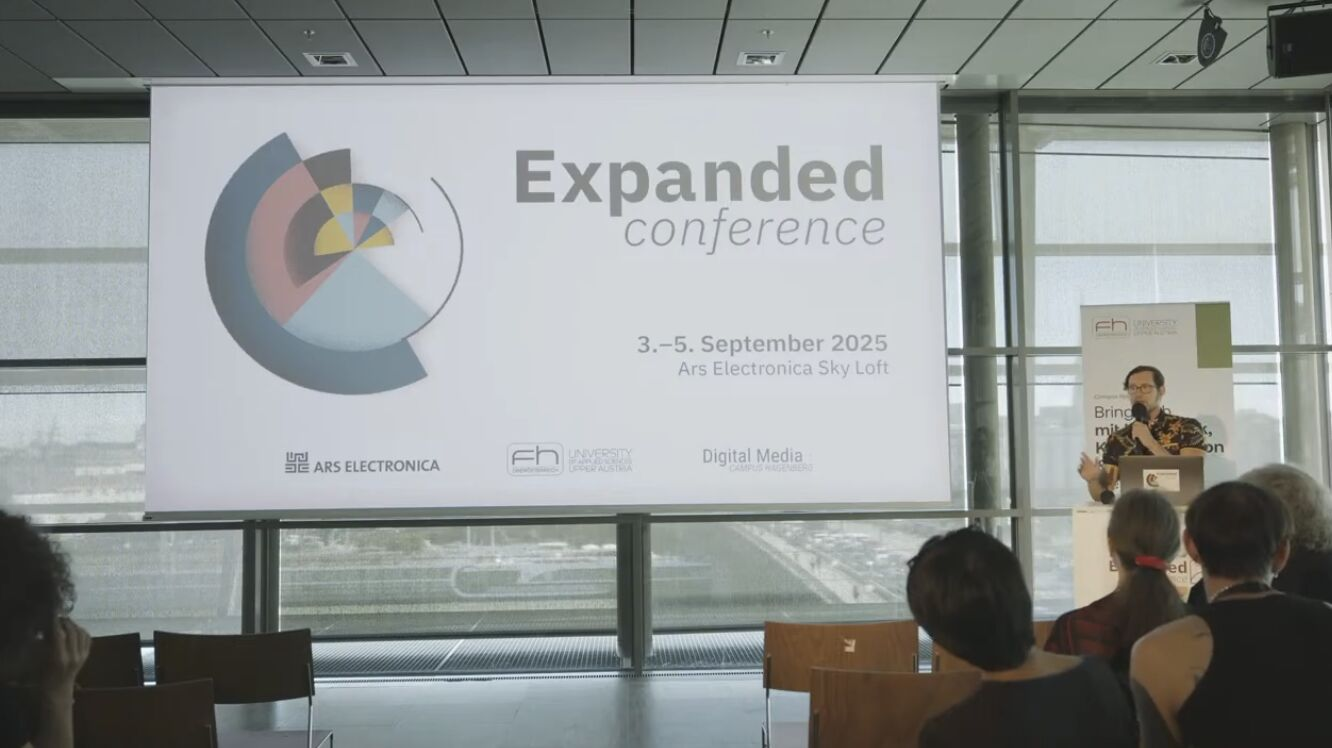
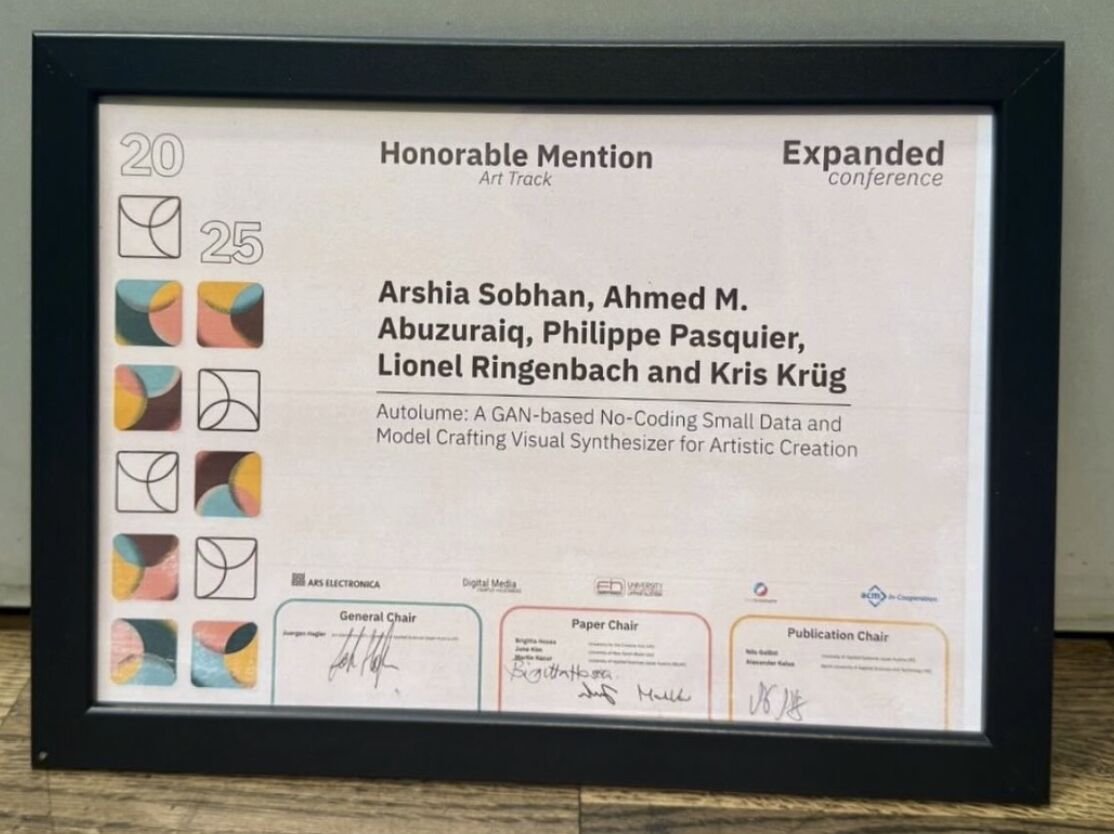
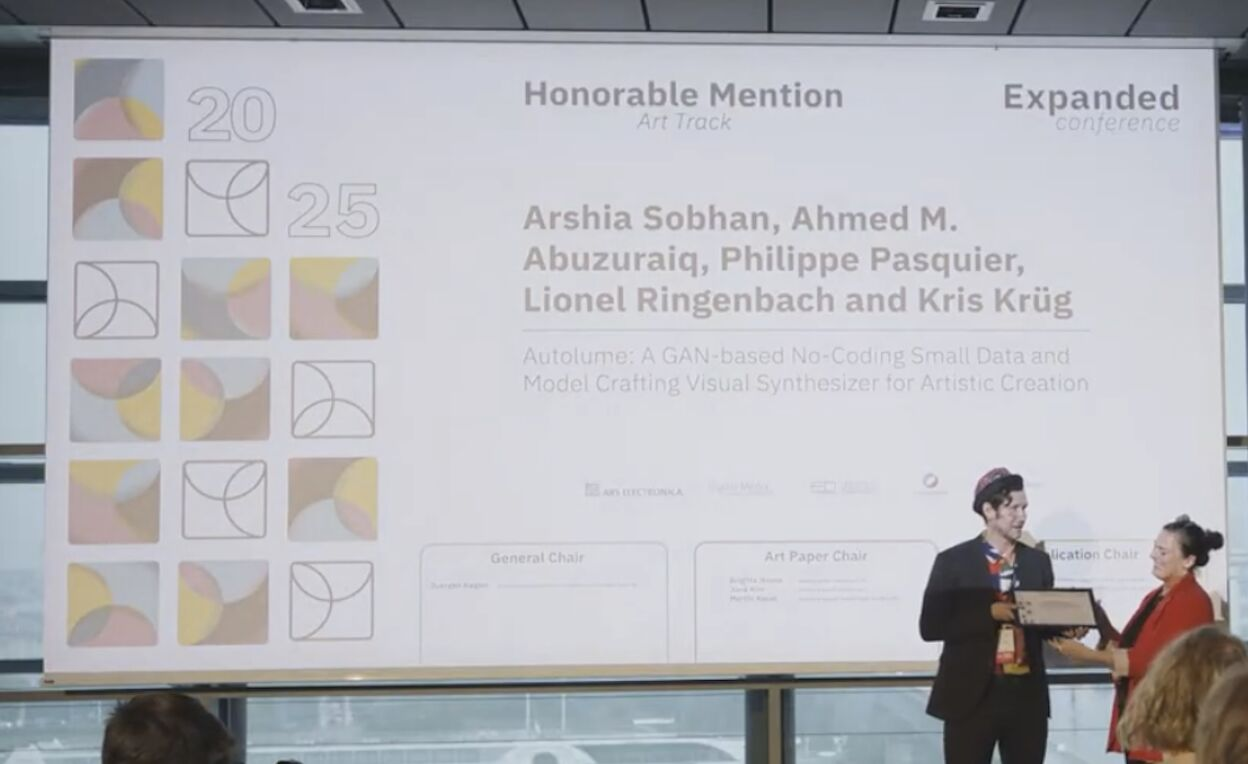
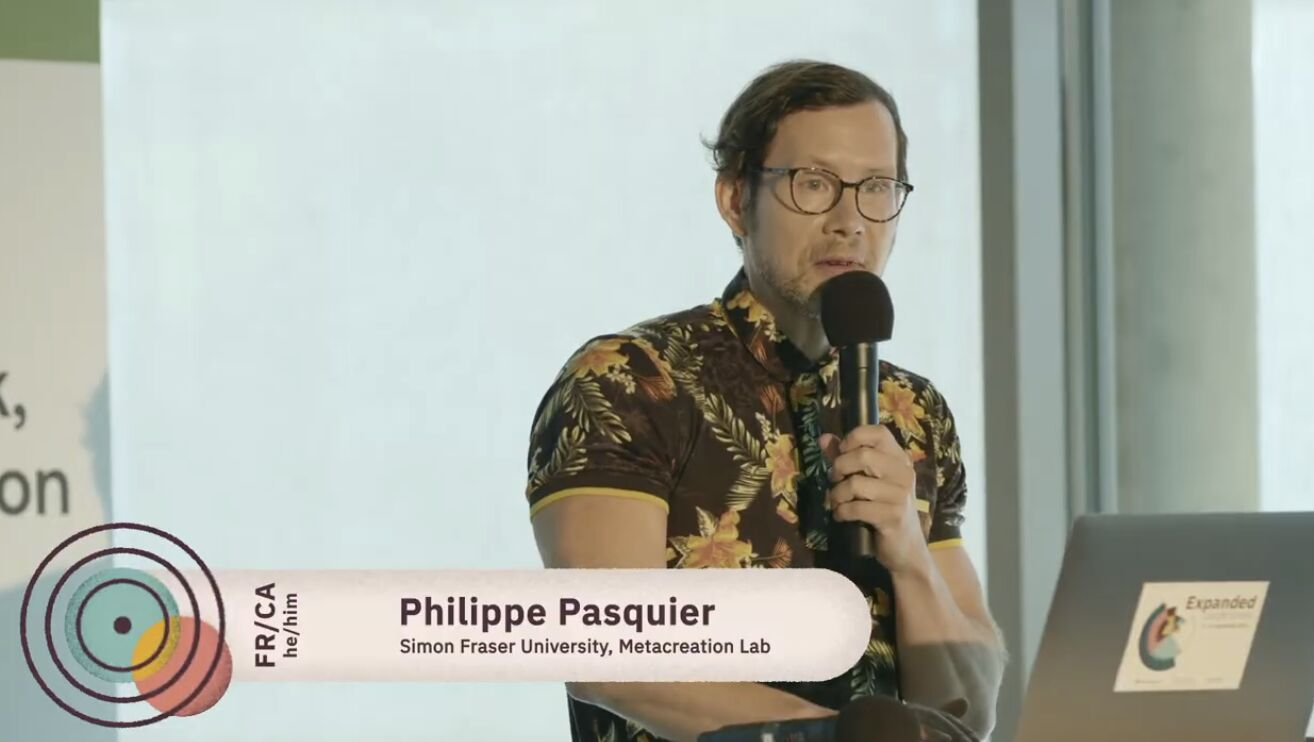
Philippe Pasquier's team at SFU's METACREATION Lab took 2nd place at Ars Electronica in Linz.
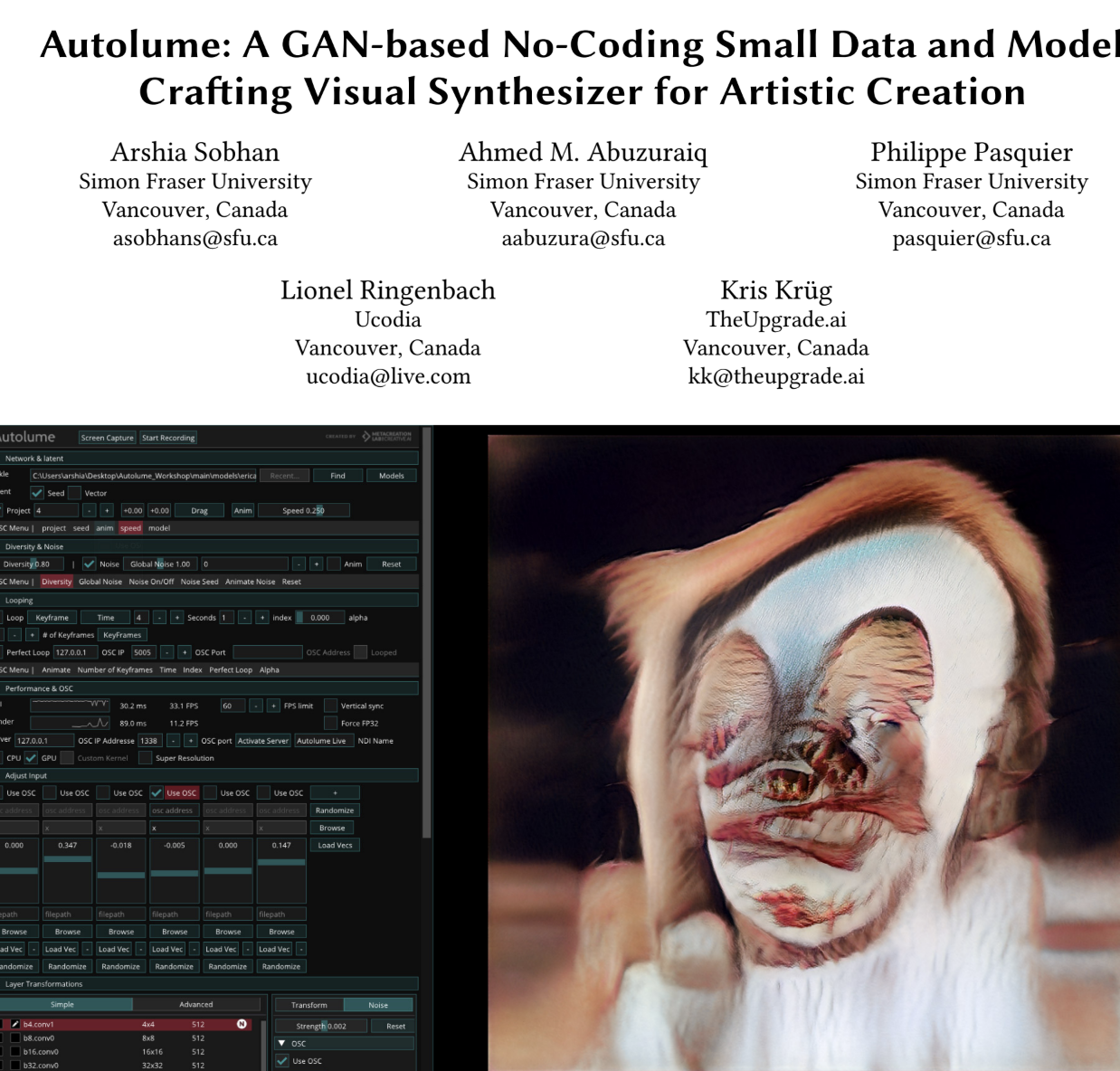
The paper: ethical AI art generation using GANs. Co-authored with community members who've been showing up to these meetups, contributing to projects, building in public.
This is proof: local work competes globally when you build for substance over the longterm respect to Philippe and Lionel and Arishia and Ahmed and the whole METACREATION Research Team.
ByteDance Community Partnership
We mentioned ByteDance's community sponsorship developing. November hackathon incoming, focused on video and photo generation. Building on the success of the Rival Technologies model.
International sponsors noticing Vancouver because the community infrastructure is real. That's the flywheel.
Mind AI & Consciousness (MAC) Group
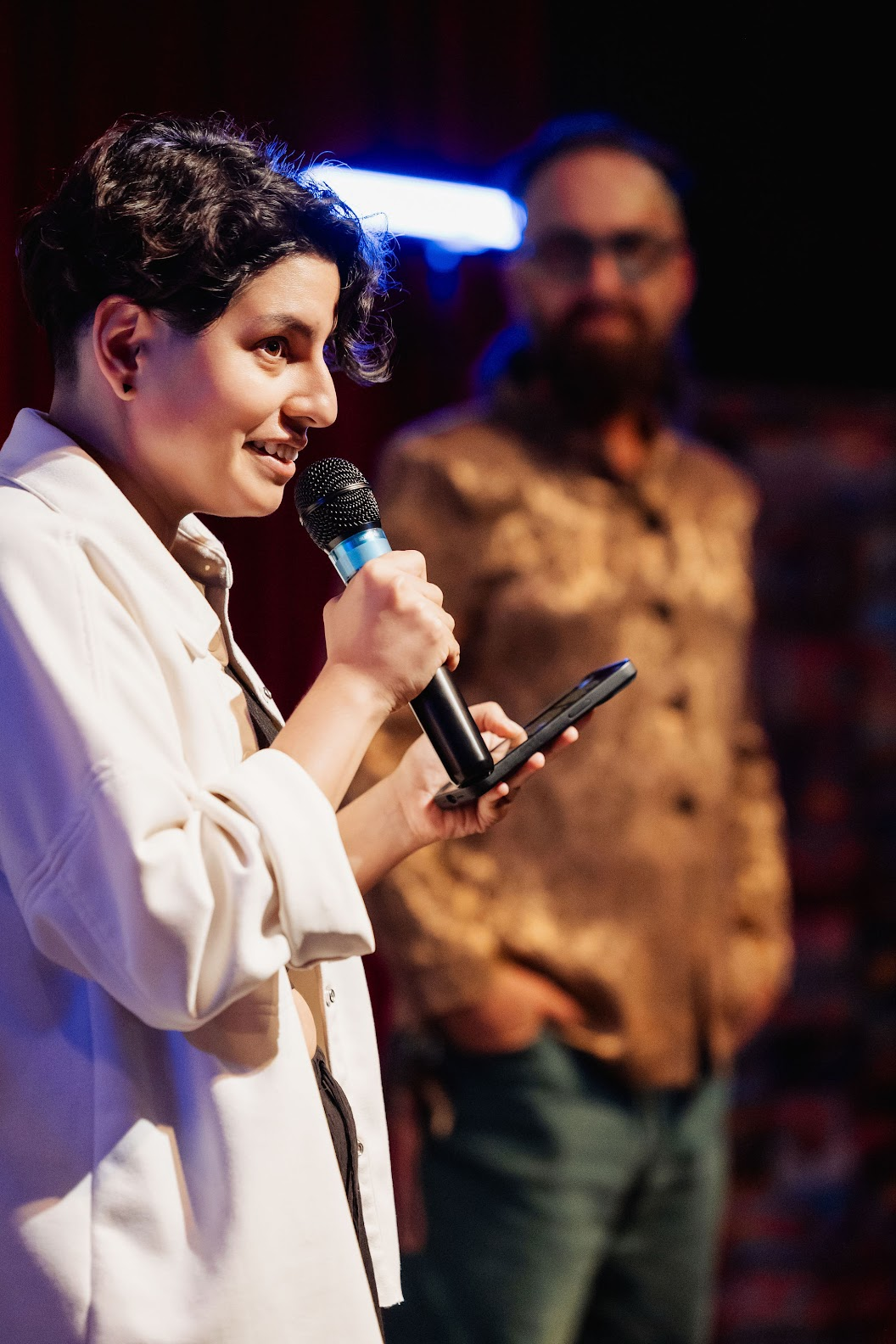
Dani repped the Mind AI & Consciousness group "We gather monthly at the intersection of consciousness and AI. Sometimes philosophical, sometimes cutting-edge science. Always deep." Last session: Suzanne Gilbert on quantum computers and consciousness. Her theory splits the brain into programmatic machinery versus quantum agency. She's testing if quantum computers could give robots actual consciousness.
"It was mind blowing," Dani said. "Like, is reality even real?"
The group tackles hard questions without clean answers. 100+ members. Deep dives capped at 20. Mandatory pre-reading. Pop quiz energy at the door.
Next session October 16: "Is AI a Philosophical Zombie?"
Dani's a designer, not a scientist, but shows up because the conversations push thinking. The group wants diversity, not just experts. You need to do the readings and engage. Accountability through peer pressure. The kind that makes you level up or admit you skipped homework.
THE CREW THAT MAKES IT WORK
None of this happens without the invisible labor.
Friel coordinating our army of production robots Zaro managing the Discord architecture. MAC crew facilitating the philosophy sessions. Schwartzman handling registration and space setup.
Michelle Diamond shooting photography that doesn't just document but captures the actual energy. Viktor Serbin running video that archives community evolution.
Sponsors matter too:
- SEGEV Law providing startup legal support
- Sons of Vancouver Distillery providing cocktails an community infrastrucutre.
- 221A artist organization working on Fair Data initiatives
No rockstars. No heroes. Just people doing work because the work matters.
That's how you run 21 consecutive monthly meetups without burning out. Distributed labor. Shared ownership. Loose grip, tight ship.
WHY VANCOUVER BUILDS DIFFERENT
Here's the geographic reality that shapes everything:
We're on unceded territories. Musqueam, Squamish, Tsleil-Waututh. That's not a land acknowledgment checkbox. That's legal fact with ongoing implications.
BC Supreme Court rulings have affirmed Indigenous sovereignty in ways that matter for tech development. You can't just build and apologize later. You can't scrape traditional knowledge and call it open source. You can't ship surveillance capitalism tools and call it community building.
The Nations who are our neighbors understand extraction intimately. 150 years of "progress" and "innovation" used as cover for resource theft. Pattern recognition is sharp.
That filters everything. The startups that survive here are the ones that figure out how to build with protocol baked in from the start. The ones that die are the ones that try to import Silicon Valley playbooks without adaptation.
You can't move fast and break things when breaking things means breaking people. When the communities who invented complex ecological governance systems are watching your pitch deck, "disruption" sounds like what it is.
This isn't virtue signaling. This is practical survival strategy. Build with accountability or don't build at all. What dies fast here: guru theater, ethics-washing, innovation speak without substance, "fake it till you make it" founder energy.
What survives: actual collaboration, resource sharing, honest questions held collectively, long-term thinking, protocol before product.
We're not trying to be San Francisco. We're trying to be something San Francisco can't: accountable to place, grounded in territory, building for communities that exist in more than just market demographics.
WHAT'S NEXT
October 29: AI Film meetup takeover at HR MacMillan Space Centre.
Ongoing: Surrey AI Community Meetup continuing monthly.
Education + AI gathering October 9 at Ethọ́s Lab. Vancouver AI at Northeastern October 18 with privacy focus. MAC philosophy session October 16.
Data Story Hackathon deadline October 15. Get your submissions in.
This is 21 consecutive months of community building. The infrastructure is real. The relationships compound. The work continues Monday morning, not just Wednesday nights.
THE CLOSING TRUTH
200 people showed up not for hype but for hard questions.
- Jonny Williams using AI to preserve language while 10 traditional speakers remain and he runs for Council.
- Manuel Axel Strain building forest communication systems that could reshape ecological work or become another extraction vector depending on how it's built.
- Dave Olson teaching us to feed our robots endless goodness because the training data we choose now shapes the intelligence we live with later.
The photos Michelle shot aren't marketing. They're archival work. Dave Olson's principle in action: always be archiving.
The conversations we had about protocol and ownership and consent aren't sidebar ethics discussions. They're foundational architecture questions. Get them wrong and everything built on top is compromised.
Vancouver's AI scene isn't waiting for permission from Silicon Valley. We're not copying their playbooks. We're building for place, not scale. For communities, not markets. For long-term accountability, not short-term exits.
The work is the work is the work.
Next meetup's already in motion. See you October 29.
Now get back to building.