Your CEO is on a video call. The face is familiar. So is the voice. They need $250,000 transferred, urgently. Before you authorize anything, what do you check?
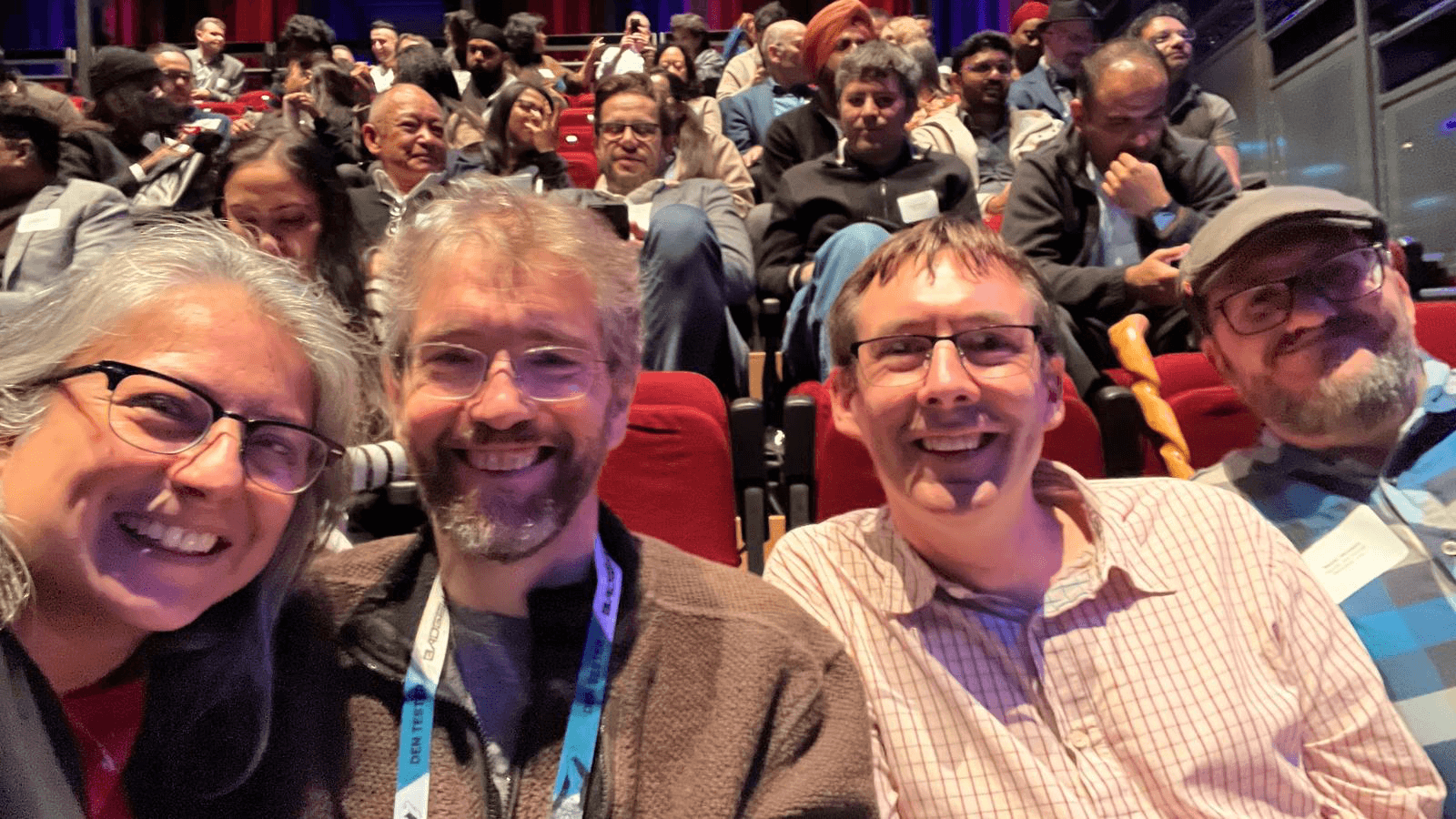
That fictional incident opens AI vs. Human: An Interactive Cyber Awareness Experience, presented by ISACA Vancouver in partnership with BC + AI at Vancouver's Annex on October 14. Six cyber incidents gave the audience four choices at a time, with phone voting and a panel of Cyber Judges there to examine the decisions. Cybersecurity became something you had to do.
We've adapted the experience into a self-guided visitor edition. You can watch the films or read the incidents, make your own call, and then open the prepared AI reasoning. You don't need an event code, an account, or someone at the front of a theatre telling you when to move.
Four choices before the explanation
The incidents reach beyond the fake CEO. A hospital faces a $2 million ransom demand. An AI pipeline may be compromised. A trusted vendor's privileged access starts to look suspicious. Water-treatment operators have safe physical readings and an alarming recommendation from their facility AI. The final incident puts containment against a major transaction.
Each asks you to act with incomplete information. Waiting carries a cost. Acting carries a cost. You might distrust the recommendation and still have to explain what evidence would justify overriding it. Clicking a letter is easy; owning the assumptions behind it takes more work.
The visitor edition keeps the prepared response hidden until you commit your choice. Then you can compare the reasoning, the model attribution, and the confidence the model reported. A confident number deserves scrutiny of its own. It hasn't become a measured probability because somebody put a percent sign after it.
Try a scenario with a colleague. Choose separately, then ask what each of you noticed first. One person may prioritize keeping the hospital running. Another may see an attacker using that urgency against them. The useful conversation starts with the reasons behind those choices.
The AI responses were prepared in advance, and some were edited for the show. This is a learning exercise with fictional incidents. It can help you examine judgment, but it doesn't produce a scientific ranking of people or models. The reasoning remains available for you to question.
A partnership with something to show for it
ISACA Vancouver brought the cybersecurity scenarios, event direction, and professional review. Chris Shachtay and Nathan Chan worked through the production and show flow with Kris Krüg, who built the browser-based showrunner and produced the scenario films with AI assistance. Vipin helped make it workable at the controls, with Levi supporting the venue technical route.
Chris Shachtay was the event-night MC. The Cyber Judges were Penny Longman, Larry Carson, Jeffrey Ten Eyck, and Shashi Gautam. SOCRadar and Gigamon were the presenting sponsors. The event programme has more about the contributors.
This is the kind of collaboration BC + AI wants to build: people with professional knowledge and people who make things working on a specific problem together. There's now a usable experience someone else can pick up, question, and work through long after the event.
Five seconds is a creative decision
One of the clearest production notes was about reading. In the vendor incident, messages arrive in a security operations chat. The early sequence moved too quickly. The revision gives each message its reading time, then another five seconds before the next one arrives. The final exchange holds until the operator advances. Suspense needs enough silence for you to understand what's at stake.
Other revisions tightened the connection between a shot and the incident. The hospital film needed a ransom screen carrying the actual $2 million demand. The water-treatment sequence needed a control view consistent with safe physical readings and the facility AI's uncertainty. Dramatic footage has to tell the same story as the facts the audience is judging.
The soundtracks, narration, and edits build pressure. The debate screens leave the words to the people in the room. A finished film holds its last frame. Those choices give the host, judges, and operator time to work, and give the audience a chance to think before the next reveal.
Before the house lights
Before anyone walked into the theatre, the show had to work across laptops, a projector, and an operator's controls. Films needed captions and complete written briefings. Playback had to pause, restart, and hold without rushing the room. The prep sessions were where we worked through those handoffs.
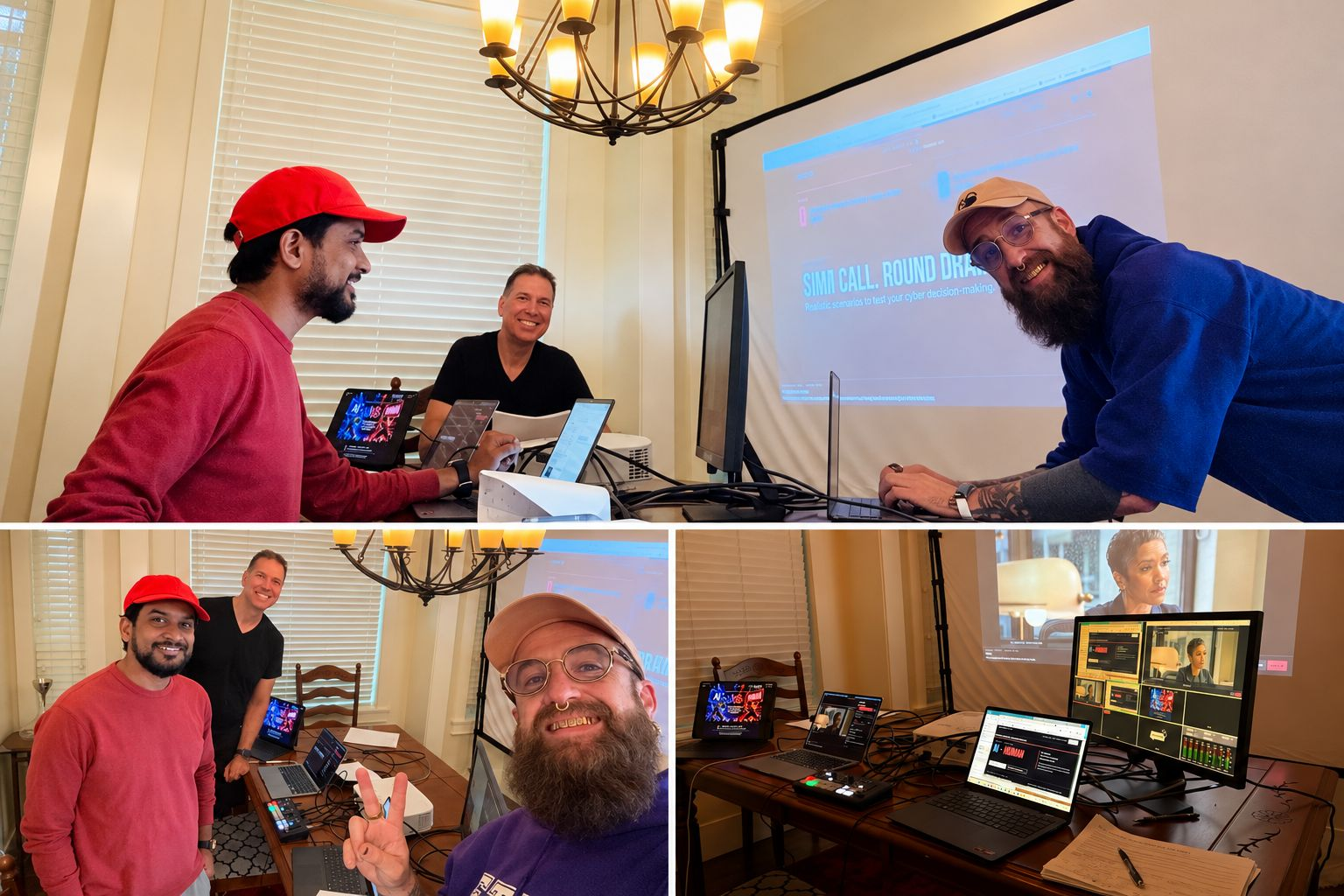
Prep sessions for AI vs. Human: rehearsing the showrunner, scenario films, and projector setup. Select a photograph to view the original photo sheet.
The production uses generated footage, synthetic narration, music, sound design, and composed incident graphics, directed and edited with AI tools. The people in the scenario films are fictional characters. The photographs here document the actual community and preparation behind the show.
Take the next shift
Try the six scenarios at your own pace. Captions and complete text let you follow each incident with or without its film. Your choices stay in your browser, and you can print a personal summary when you finish. The visitor edition doesn't send votes to the live show.
For the build-curious, the BC + AI repository includes the application source, running instructions, and verification tools. Media and third-party marks retain their own rights. Sharing the code doesn't grant permission to reuse every element of the production.
The six incidents leave you with six decisions you can explain, revisit, or argue through with someone else. Ask what evidence they trusted, what risk they accepted, and where they'd draw the line. That's a conversation worth carrying beyond the theatre.
Start with the familiar face on the video call. The money hasn't moved yet. What would you need to know before it does?