P.O.W.E.R. / FTC 20266 Prince of Wales students and their competition robot. Supported by BC + AI.
What is physical AI? AI that uses sensors and acts through hardware. Our group also includes robotics, automation, and wearable prototypes. You don’t need to work on all three to take part.
Hands-on workshop · Vancouver
Cyber Deck Saturdays
Build the weird little computer you wish existed.
David Gloyn-Cox and Kris Krüg from BC + AI are getting people together to build DIY cyberdecks: custom portable computers made with Raspberry Pi, screens, keyboards, and a case that makes it yours.
Robotics, mechatronics, retro computing, cyberpunk culture, creative coding: bring your particular kind of nerd. Artists, curious beginners, and experienced builders are welcome.
We’re sourcing kits for some of the core components. Bring a box or case you love, useful parts you already have, and the project you’ve been meaning to build. We’ll compare ideas, test connections, and help each other get unstuck.
FriendsQuarters, Vancouver. See Luma for the date, tickets, and current workshop details.
Kit details land on the Luma page before January 16.
Fiann co-leads our Physical AI & Robotics group and runs the Prince of Wales robotics club, home to P.O.W.E.R., FTC Team 20266. He coaches students competing in FIRST Tech Challenge and helps connect their work with the wider BC + AI community.
Technical background of Fiann O’Hagan+
His background includes a master’s in artificial intelligence from the University of Sussex and software engineering work in A/B testing, analytics, and web performance. He developed deployment technology for the product that became Adobe Target and has worked as a principal performance engineer at Optimal. He has also published practical JavaScript tools for performance monitoring.
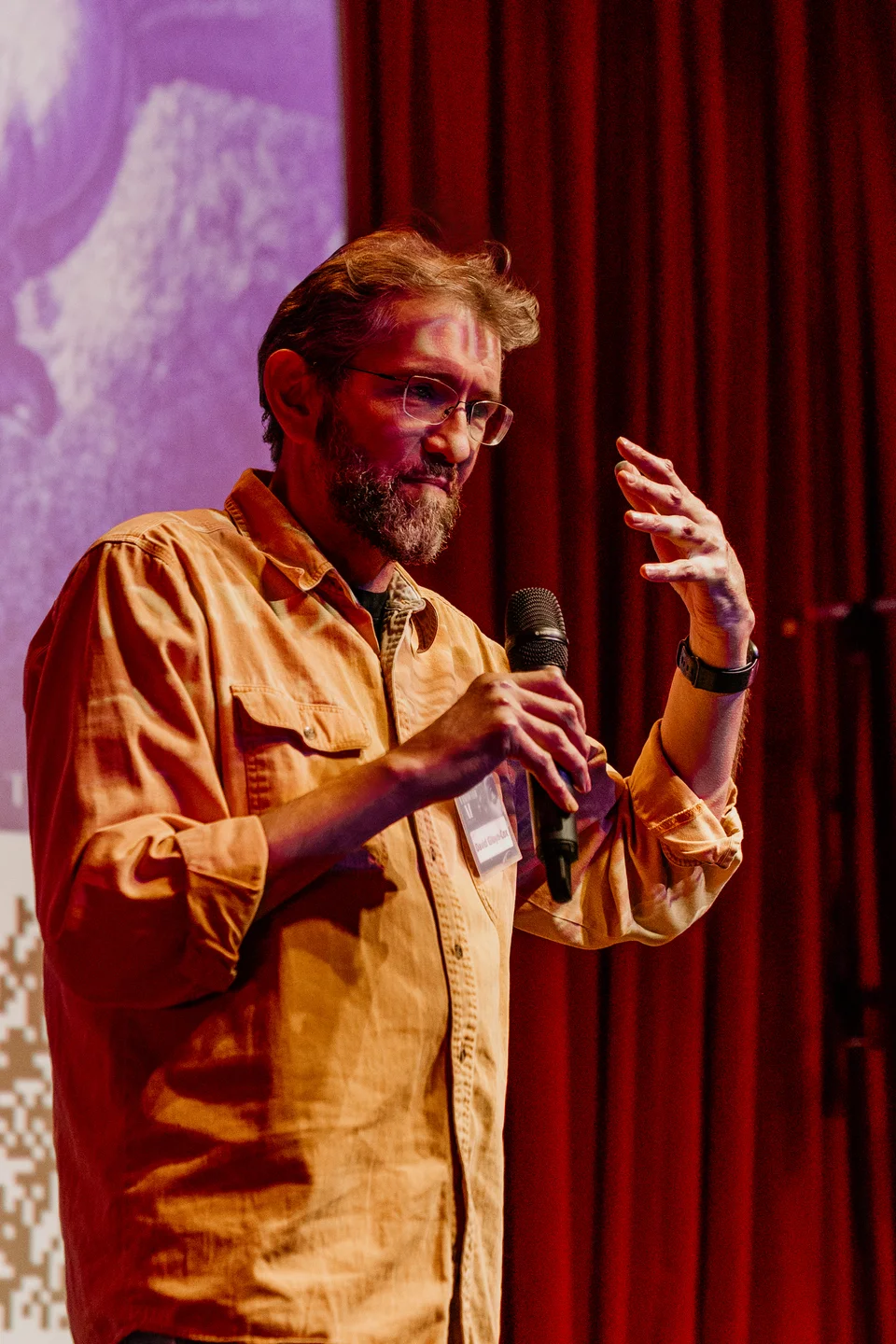
David co-leads the group with Fiann. Around BC + AI he’s known as Robot Daddy, a name he uses himself. A self-described collector of electronic gadgets, he brings tables of spare servos and robot parts to Vancouver AI so young builders can put them to work. Students from P.O.W.E.R. have built with his donated hardware.
Technical background of David Gloyn-Cox+
An enterprise architect at adscens.io, David lists TOGAF, data, governance, and technical leadership among his areas of work. He brought back the demo pit at Vancouver AI, where builders show their work up close before the main program. David and Kris Krüg host Cyber Deck Saturdays, our hands-on workshop for building custom portable computers.
Our robotics WhatsApp group is for projects, practical questions, and finding collaborators. Students, hobbyists, researchers, artists, and experienced builders are welcome.
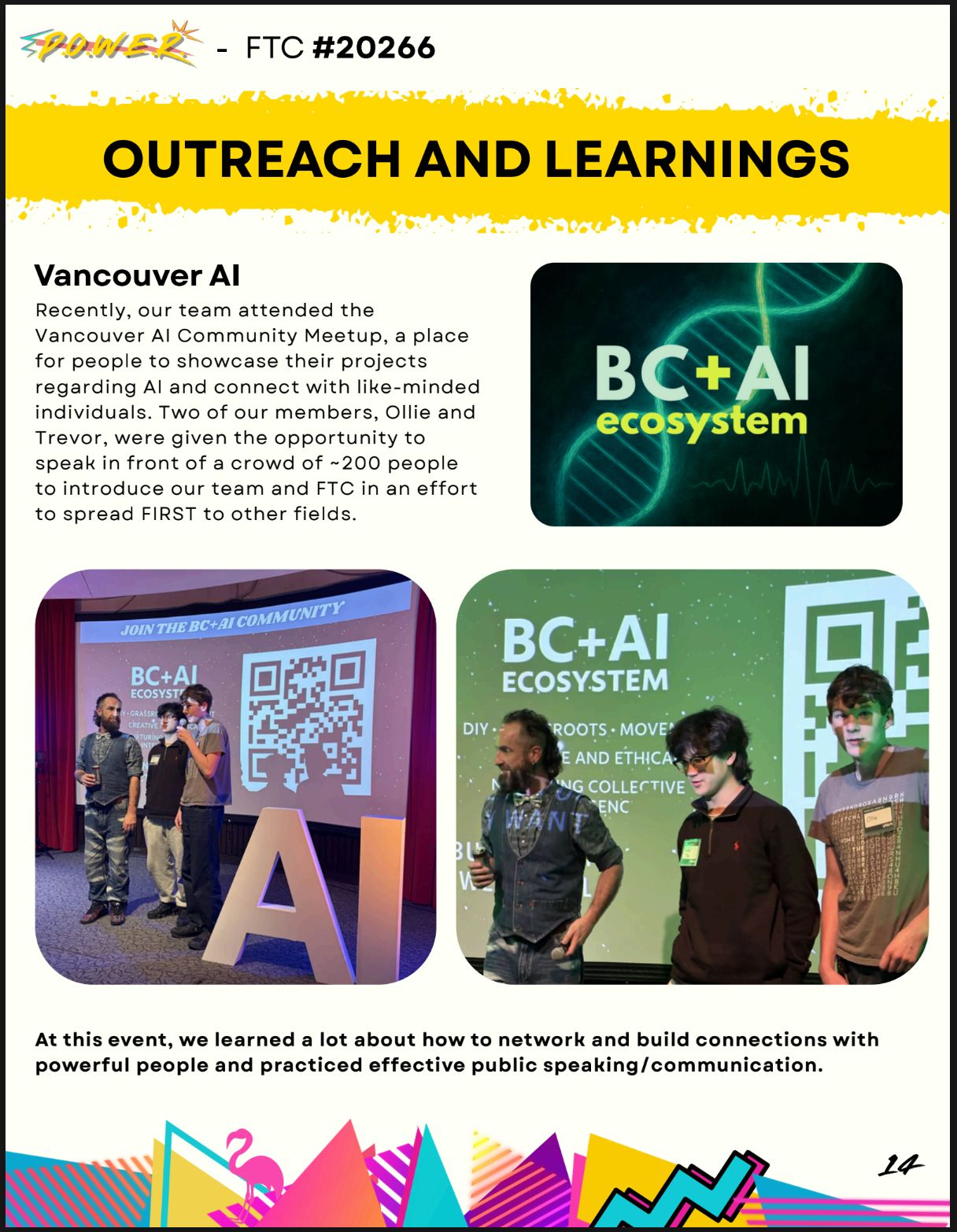
P.O.W.E.R.’s provincial competition manual records Ollie and Trevor introducing their team and FIRST Tech Challenge to approximately 200 people at Vancouver AI.
They write about making connections and practising public speaking. The photographs show the students on our stage with BC + AI executive director Kris Krüg.
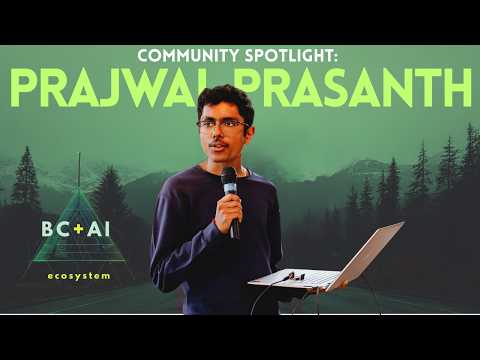
A Raspberry Pi, a camera, voice interaction, and publicly shared code. Prajwal’s wearable prototype explores how AI could help people with visual impairments.
Lawrence’s Vancouver AI demonstration connects an AI agent to physical hardware. His work with VASI also explores indoor mapping and spatial intelligence.
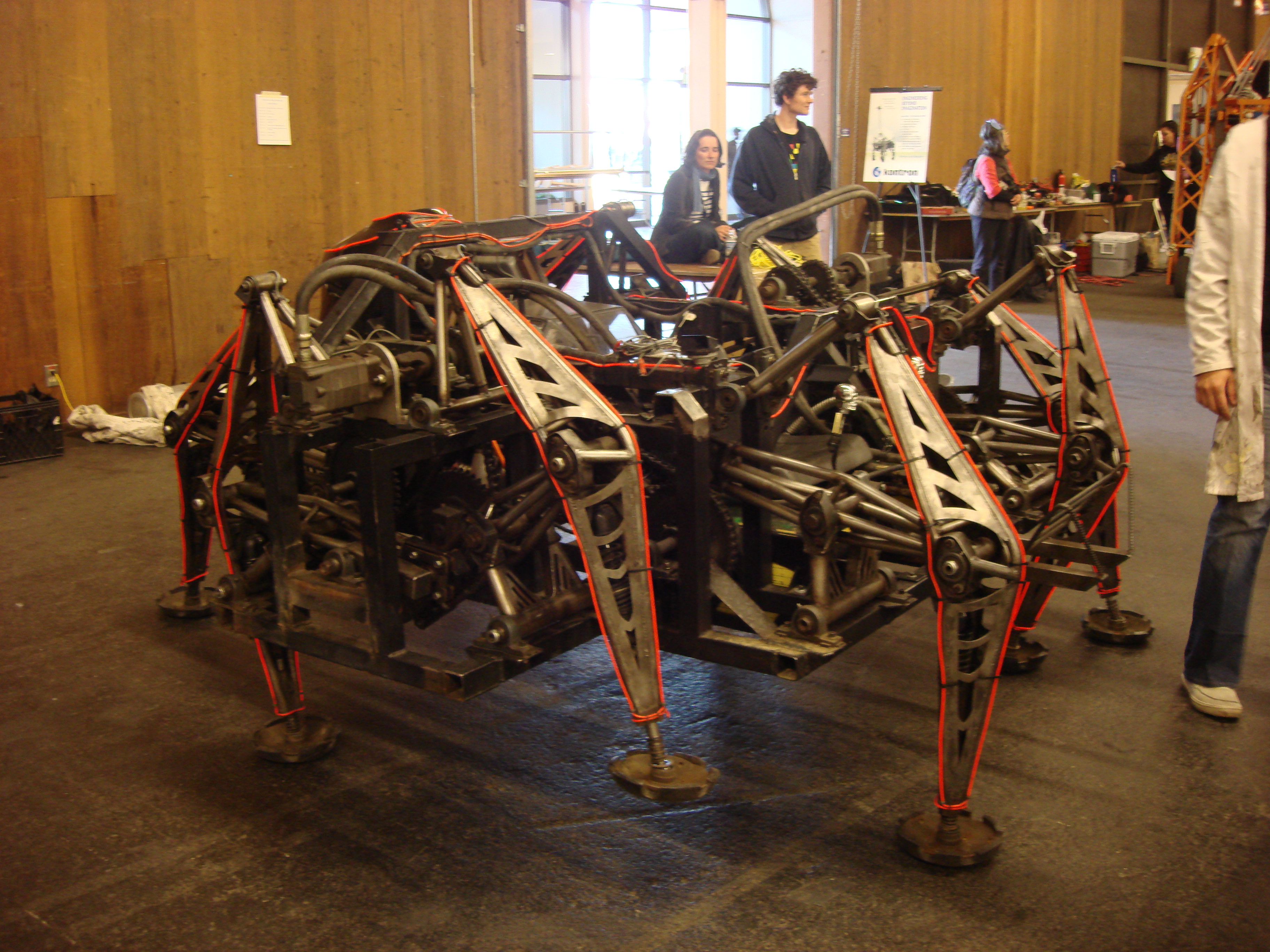
Leigh Christie, Jonathan Tippett, Charlie Brinson, Ryan Johnston, Sam Meyer, and their collaborators built Mondo Spider in Vancouver. The steel walking machine dates to 2006.
Through eatART, projects including Titanoboa and Prosthesis brought artists, engineers, volunteers, and students into shared workshops. That history of building and learning in public belongs in BC’s robotics story.
Embodied North’s November 2026 research snapshot maps 49 investigators at UBC, SFU, UVic, and BCIT. Start with the research areas or use the faculty directory to find labs and projects.
Start with how robots sense and act. If you’re ready to work in a simulator, Jason Peng’s open-source MimicKit shows how to train a controller using examples of movement.
See how research gets built and tested. BCIT’s MAKE+ works with industry on prototyping. Human in Motion Robotics grew out of SFU research on wearable exoskeletons.
Bring a project, a question, or experience you can share. If you can offer mentorship, equipment, workshop space, or support for young builders, we’d like to hear from you.