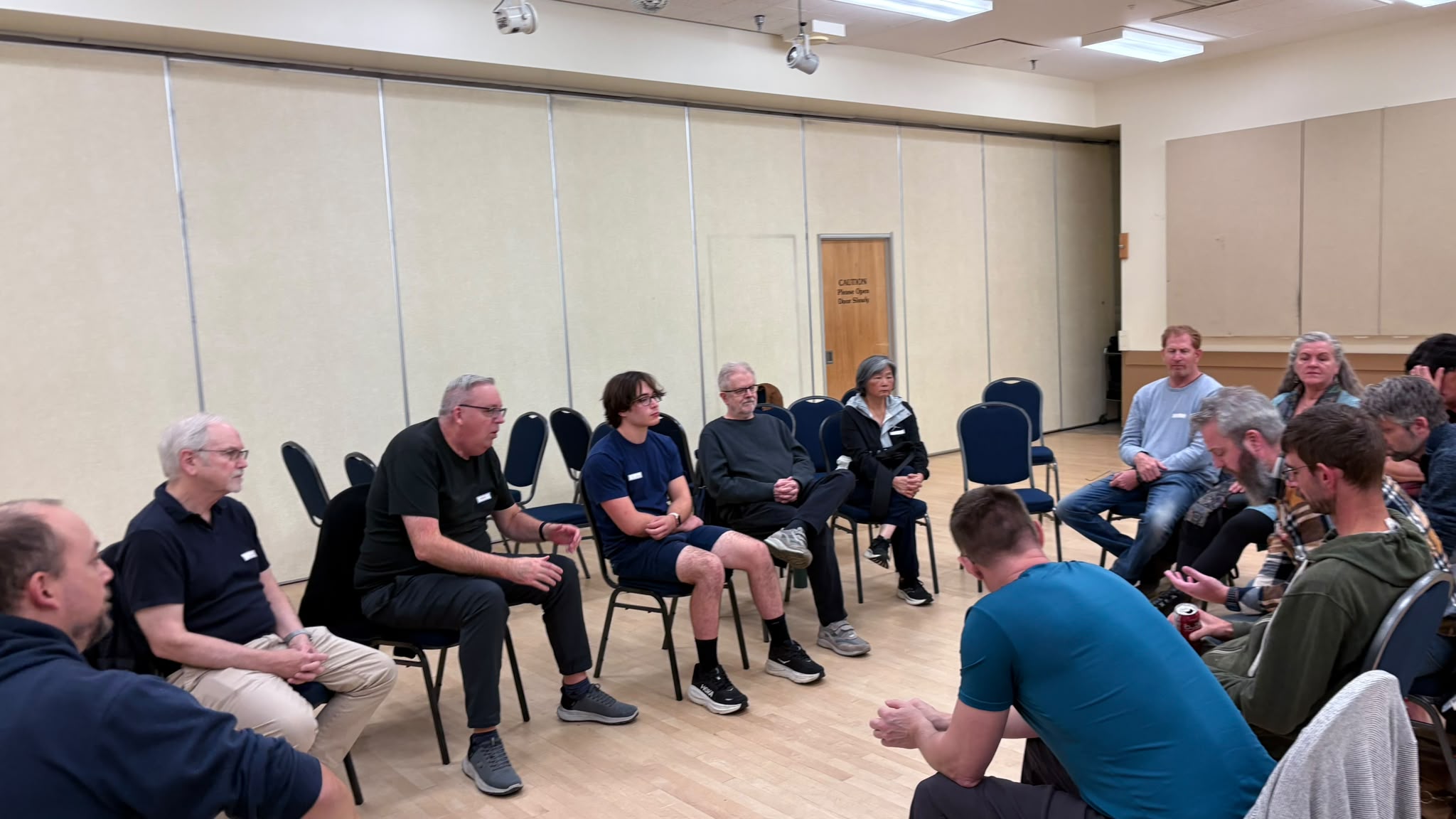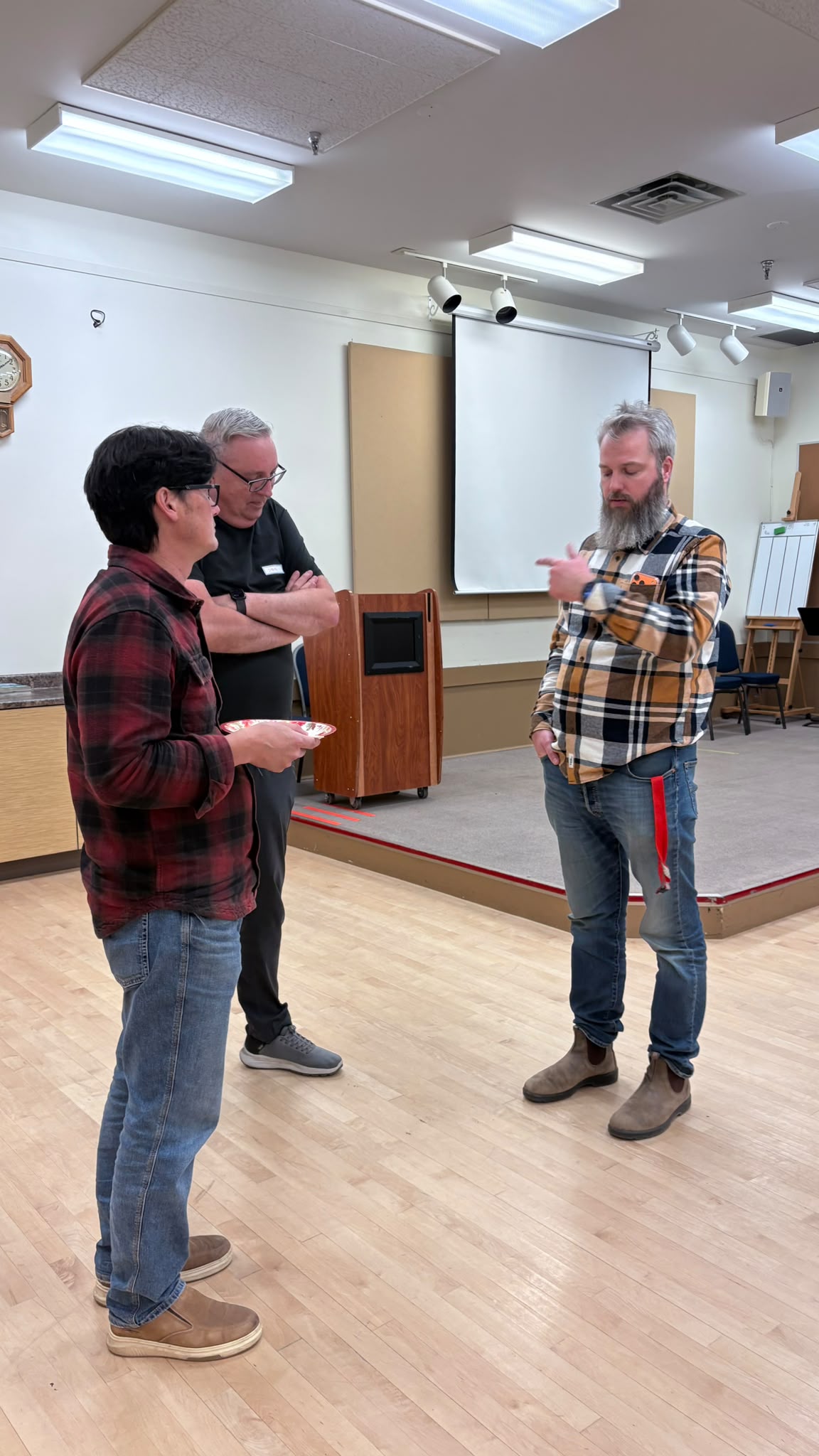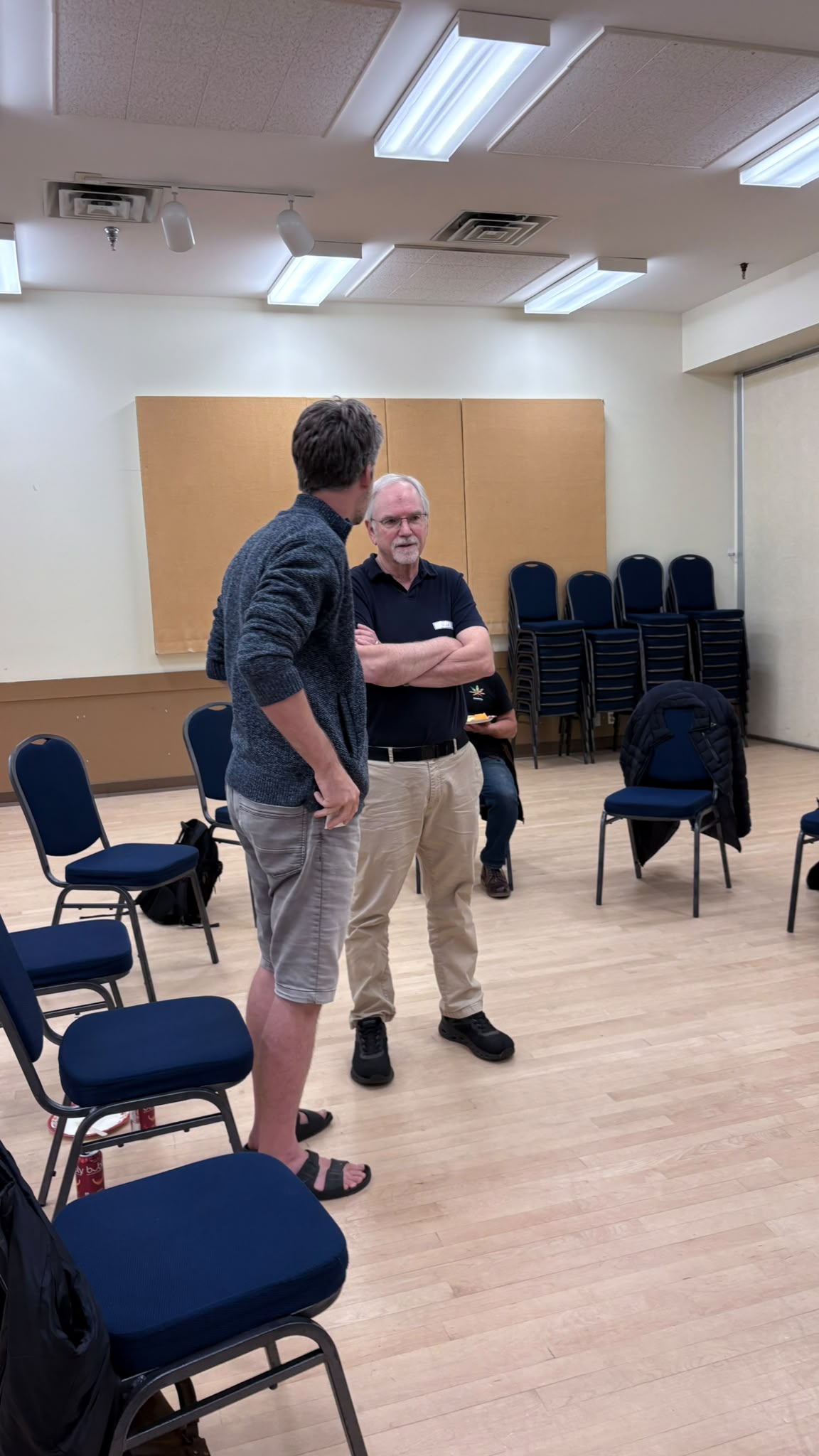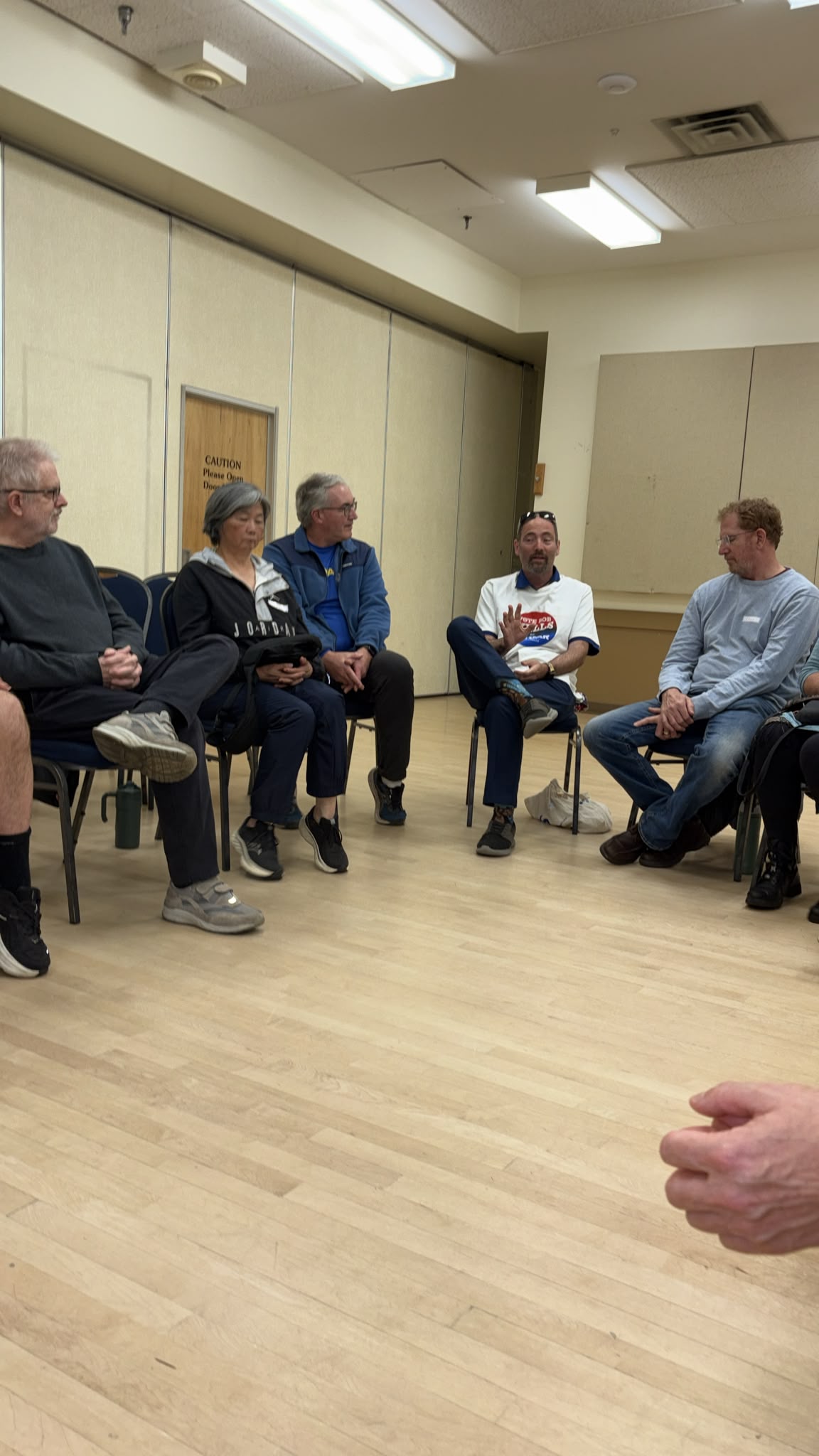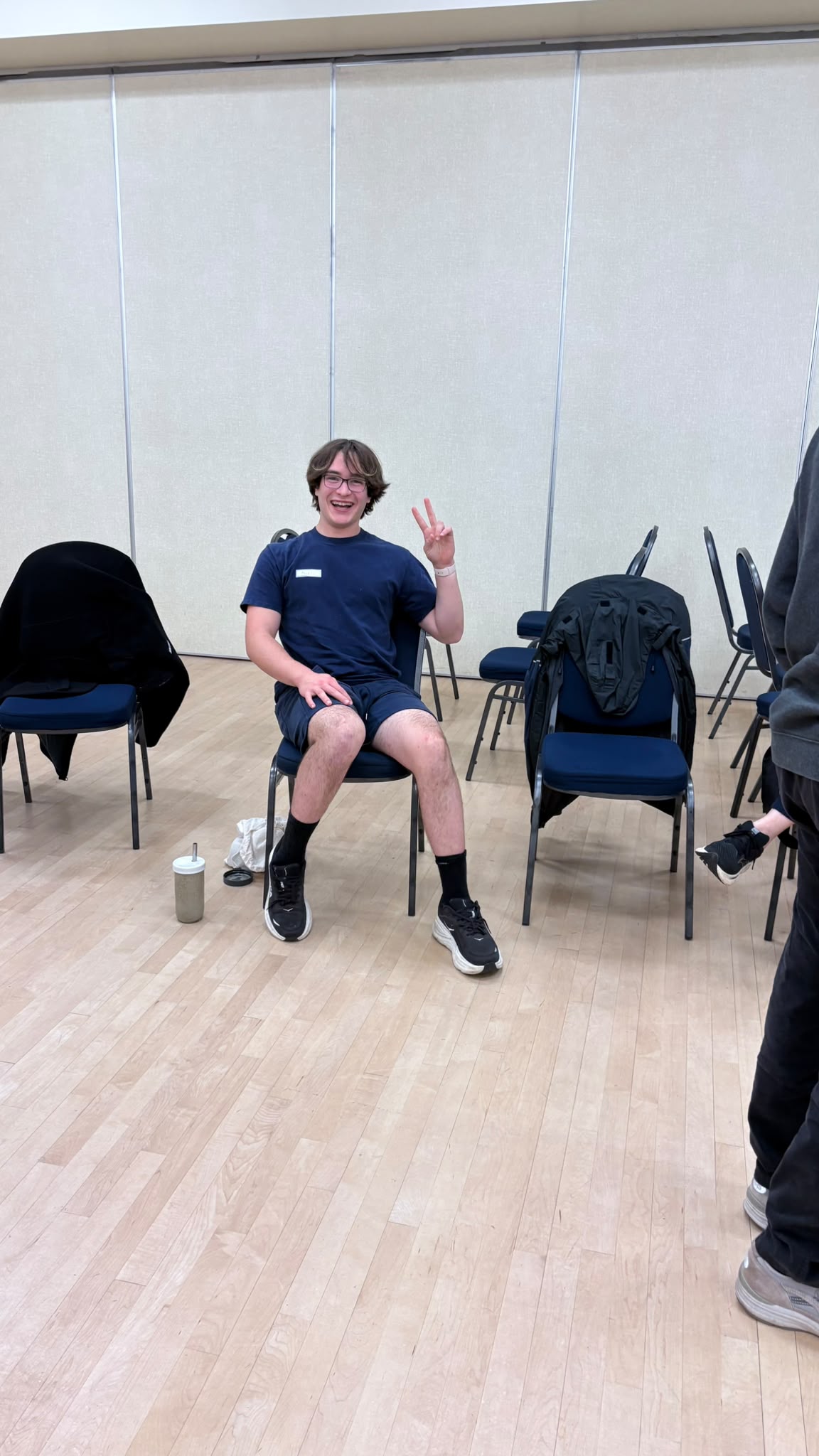
A ramen-shop owner at the October 6 Comox Valley AI meetup had a specific use for AI: “get myself out of the way of my staff.”
His chef and restaurant manager could come up with a new dish. Getting it onto the menu still meant waiting for him to enter recipes, work out costs, and move information between systems. He'd been building applications with AI so they could do more of that work themselves. The ambition was to let them talk through a dish and have the software handle the costing and updates. That version was still too buggy to use.
People brought similarly specific accounts to The Local AI Commons: using fault codes to work on an older Prius, making sense of handwritten notes, connecting a student's calendar to their coursework. Some had spent months building with these tools. Others were looking for a place to start. The useful parts of the discussion were often where those experiences met, including the things that hadn't worked.
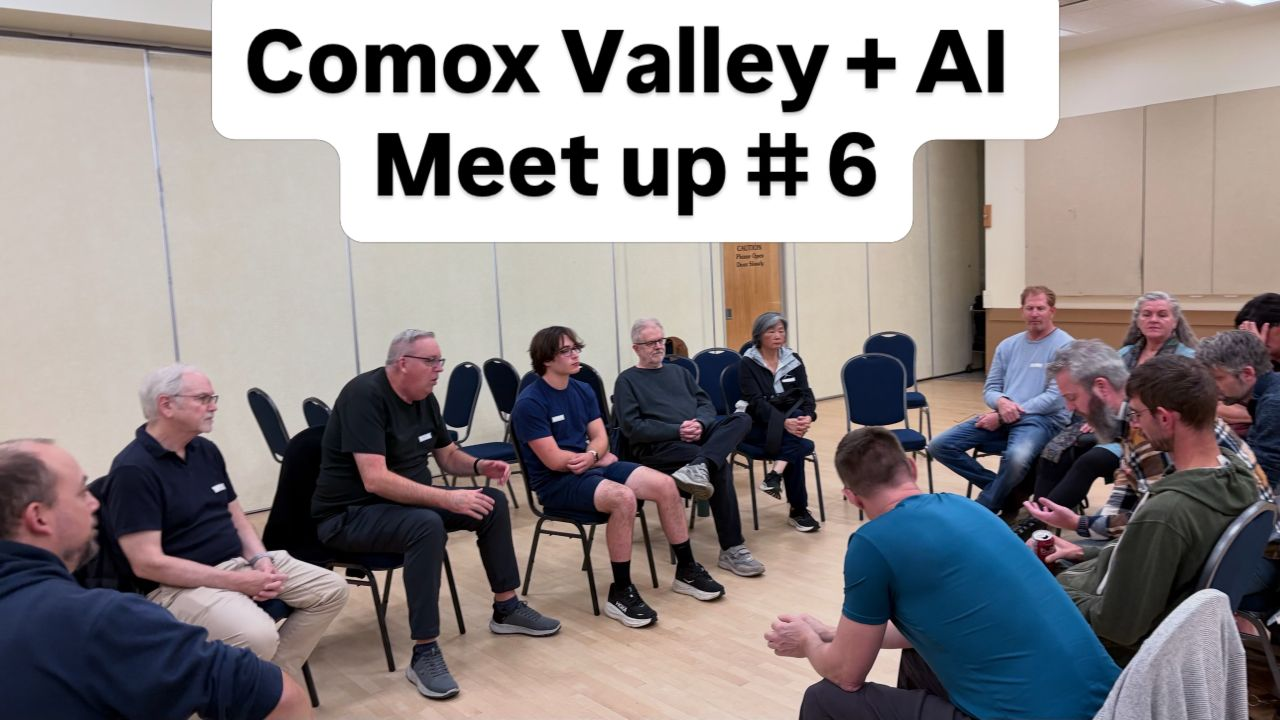
Who carries the responsibility?
The municipal discussion got into the work behind an AI policy. Training has to fit into a budget and a working week. Paying an instructor is one expense; giving staff time away from their regular duties is another. Local governments are working out how to provide that support while developing rules for how staff use AI.
A technology professional described a limit they'd already set. Their computer holds credentials for customers' live systems. An autonomous agent running commands on that machine could do damage to a customer's database. They use AI extensively, but they aren't willing to grant that kind of access.
That distinction matters in discussions about adoption. Someone can know a tool well and have good reasons to restrict it. The person whose customers bear the consequences gets to set a higher bar than the person selling the software. Questions of access, oversight, and responsibility also guide BC + AI's AI Ethical Futures Lab and Responsible AI Professional program.
Give people a chance to learn
A senior participant asked for an opportunity to understand AI and recognize when something was wrong. The discussion included scams, unfamiliar interfaces, and the difficulty of getting help from an actual person. Learning sessions through a college or local government came up as a possibility. The request was straightforward: give seniors a chance to learn.
A college student described using AI to help connect Notion with Google Calendar. The programming had been beyond their experience; working through it with AI left them feeling able to do it again themselves. They also raised the problem of building something you can't repair when it breaks.
These are different starting points for the same community. Some people need help deciding what to trust. Others are ready to build and need enough understanding to maintain what they've made. Teaching “AI” as if everyone needs the same introduction will miss both. The knowledge already exists locally; making it available to people with different needs takes attention and time.
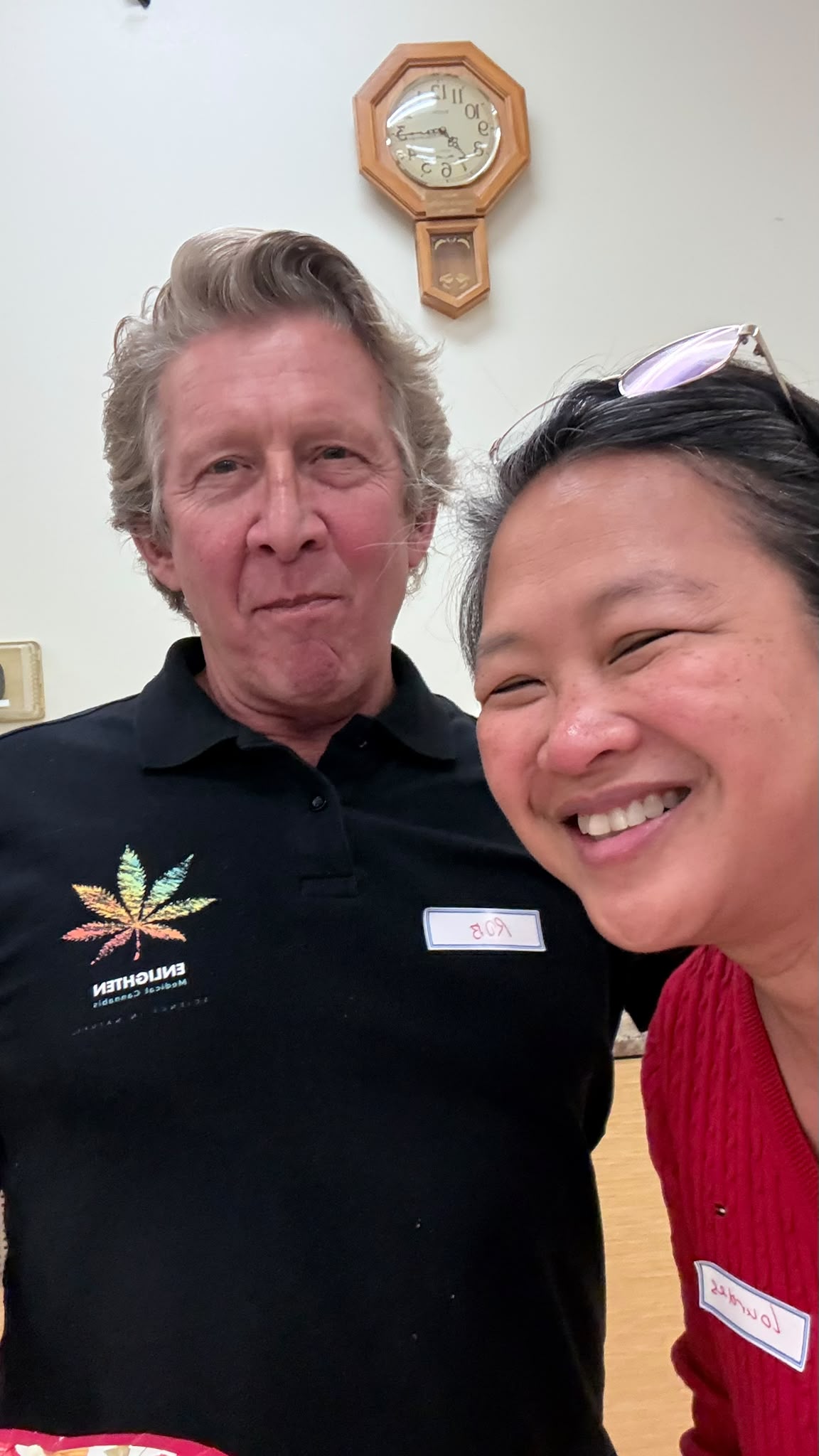
Local knowledge, shared
One participant described replacing household AI subscriptions with a model running on a small computer at home. They'd built tools around family meal planning, grocery lists, and video summaries. In their professional work, locally run AI was also supporting crisis-training exercises, including simulated phone conversations that required people to respond to an unfolding situation.
Running that setup takes technical knowledge. Hearing from someone doing it nearby makes it possible to ask about the hardware, the upkeep, and whether it's worth the trouble for your own purposes. For people ready to learn the technical side, Local AI Fundamentals offers a structured way into running models and agents on your own machine.
The June meetup explored leadership and the human work of adapting to AI. October gave that discussion more to work with: applications in use, experiments abandoned, and requests for help.
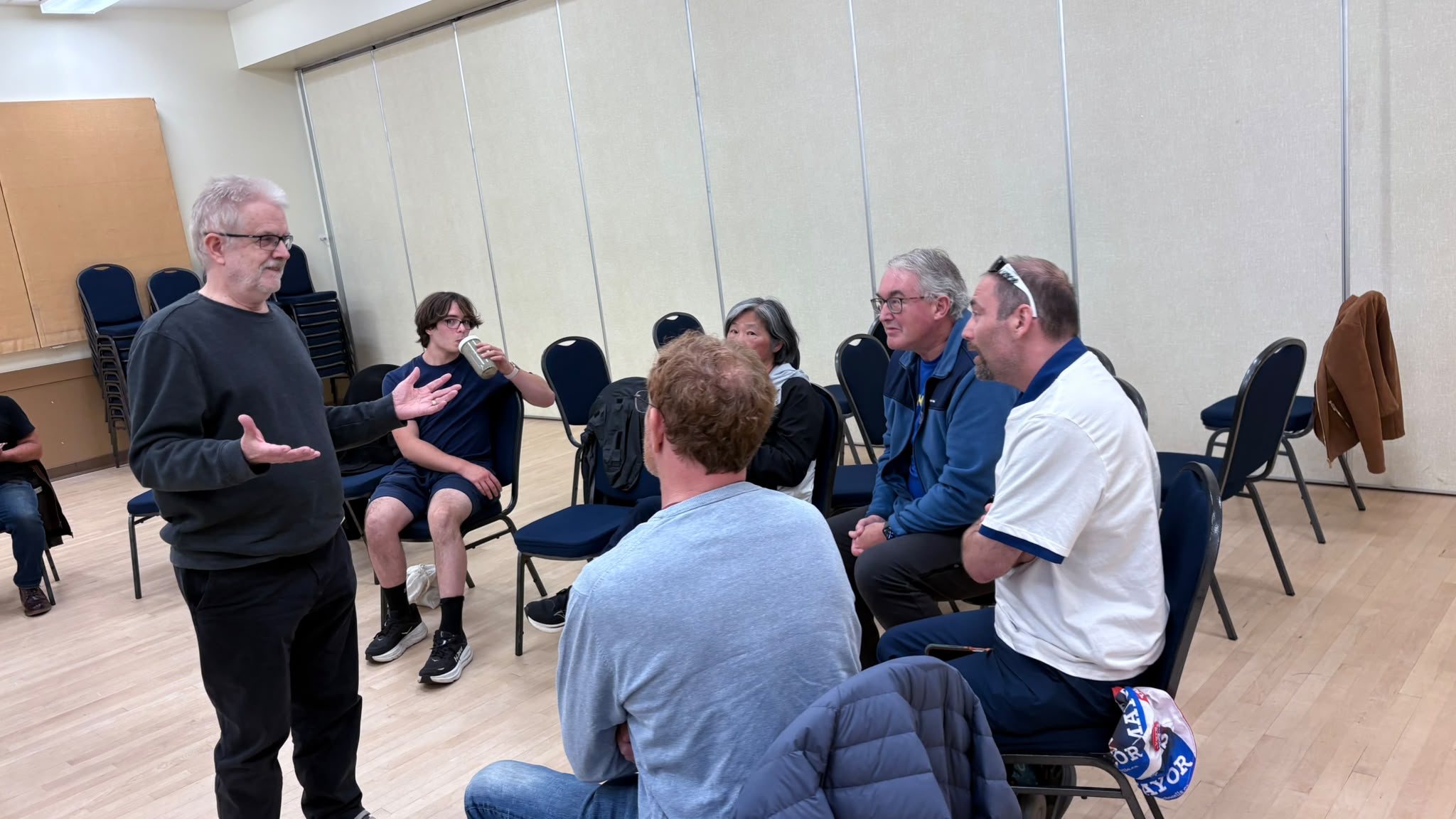
For BC + AI, this is why a local commons matters. The ability to use these tools well is unevenly distributed, and it affects who can make decisions at work, protect their information, or try an idea without hiring someone first. A person with months of experience can save a neighbour a lot of wasted effort, provided there's somewhere for that exchange to happen.
The suggestion of accessible training deserves follow-up. It wasn't a finished proposal or a commitment made that evening. It was a need voiced by someone who wanted to learn, in a community with people who could help. That's a useful place to begin planning what comes next.