Event
BC + AI Life Sciences Meetup #4
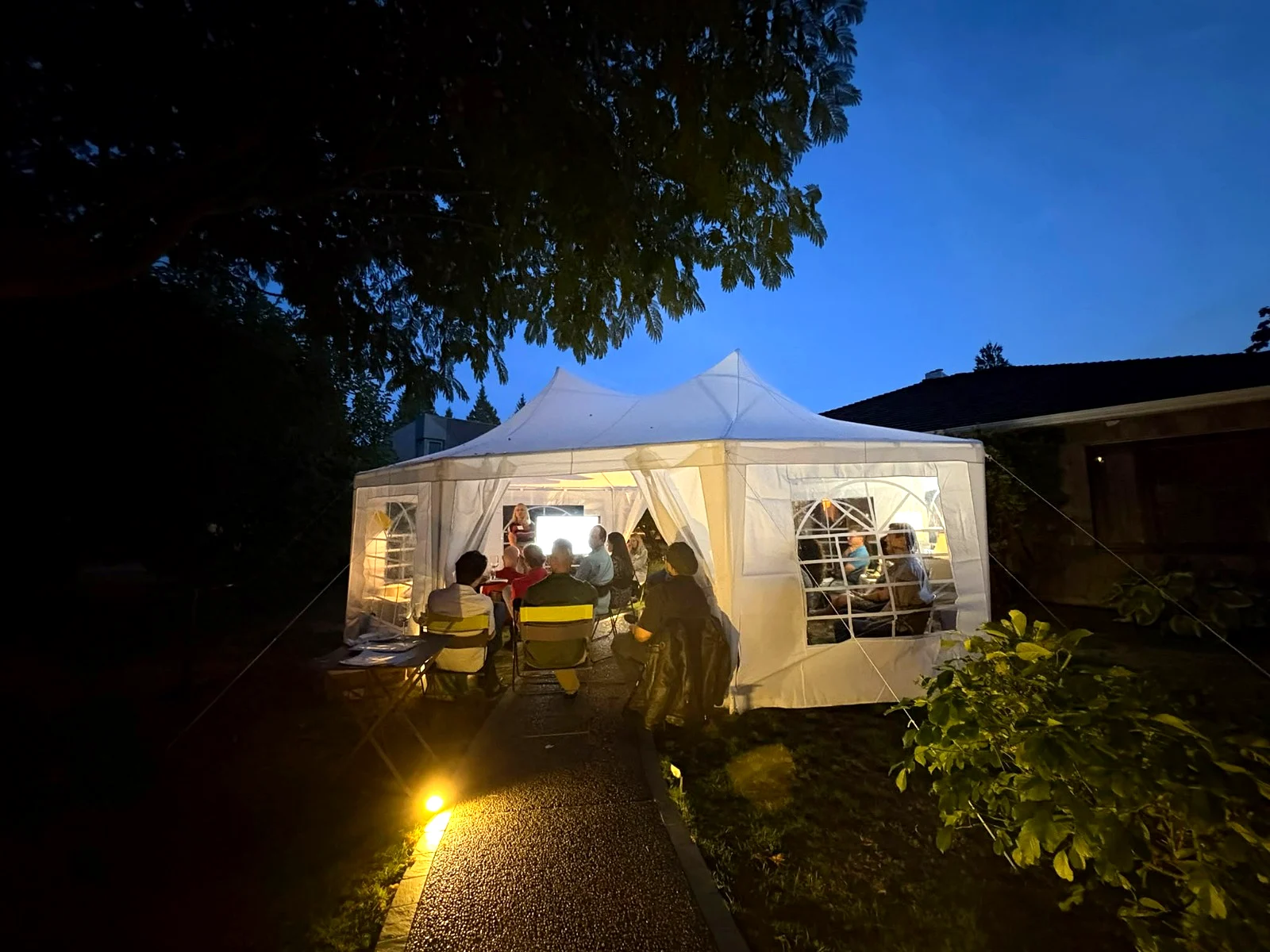
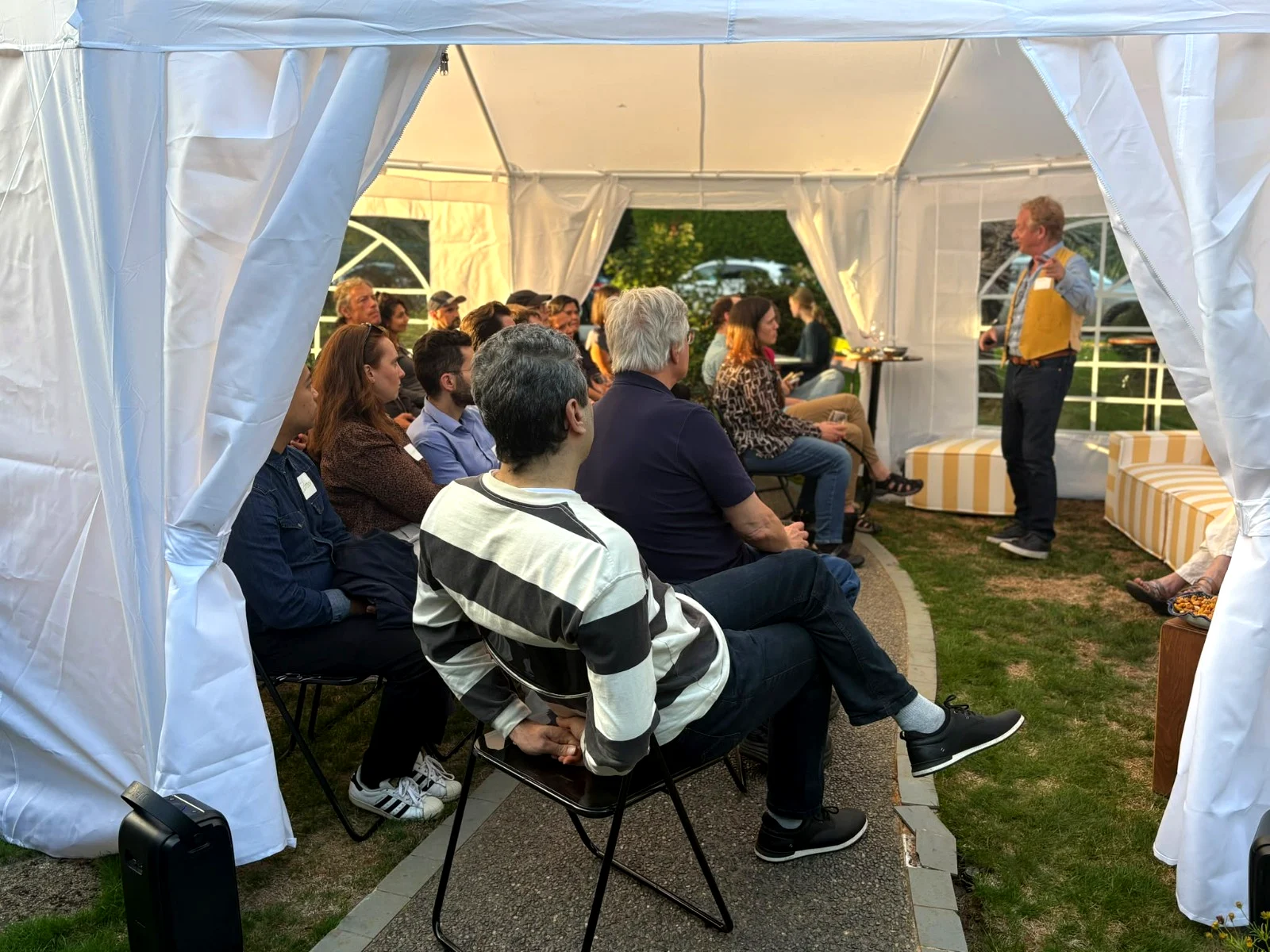
September 8, in a marquee in a Vancouver back garden. The night was billed as clinical decision support. What the room actually got was two talks coming at the same problem from opposite ends: the money that lets Canadian health and life-science startups exist at all, and the unglamorous data work that has to happen before any clinical AI is worth trusting.
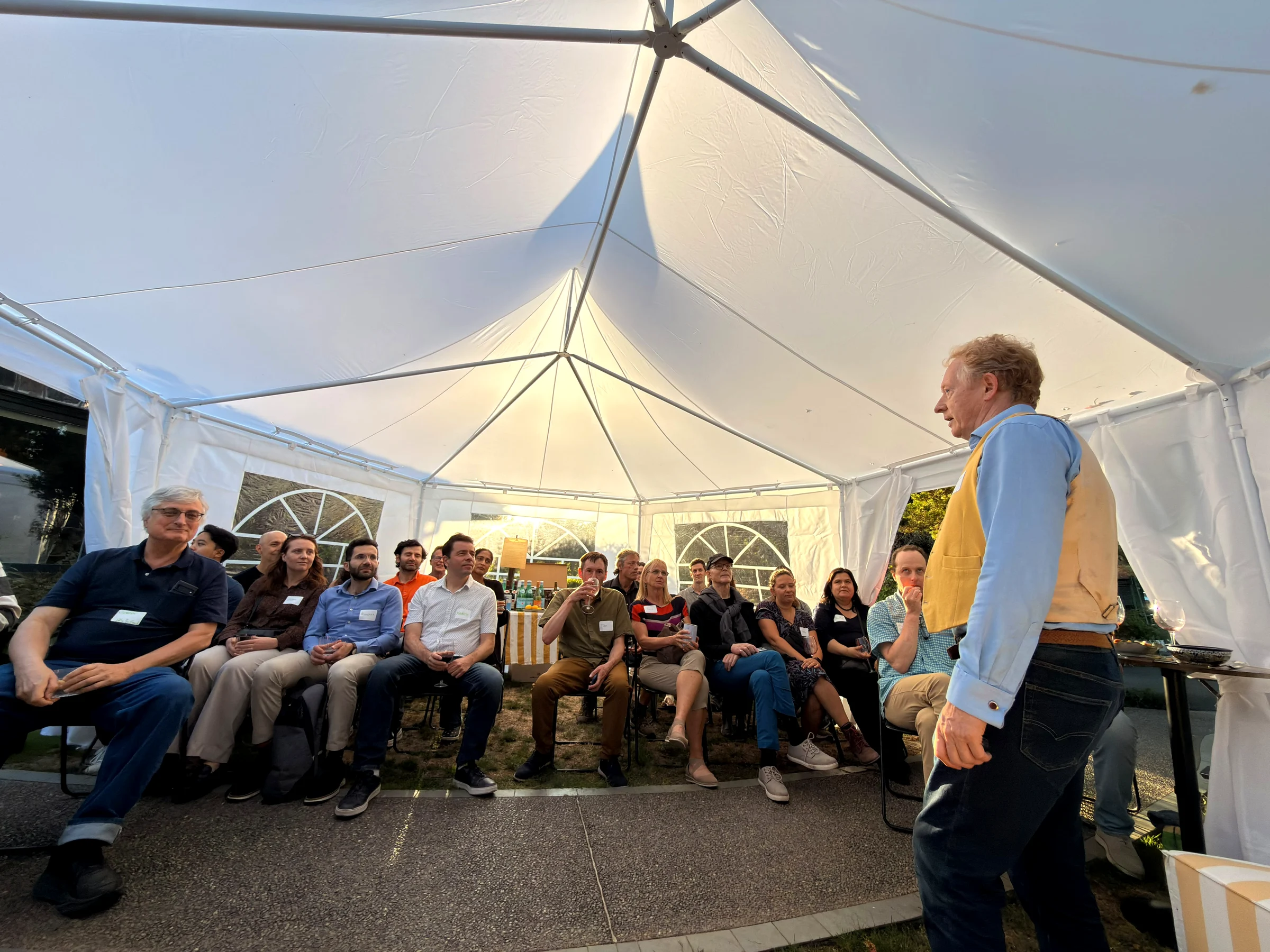
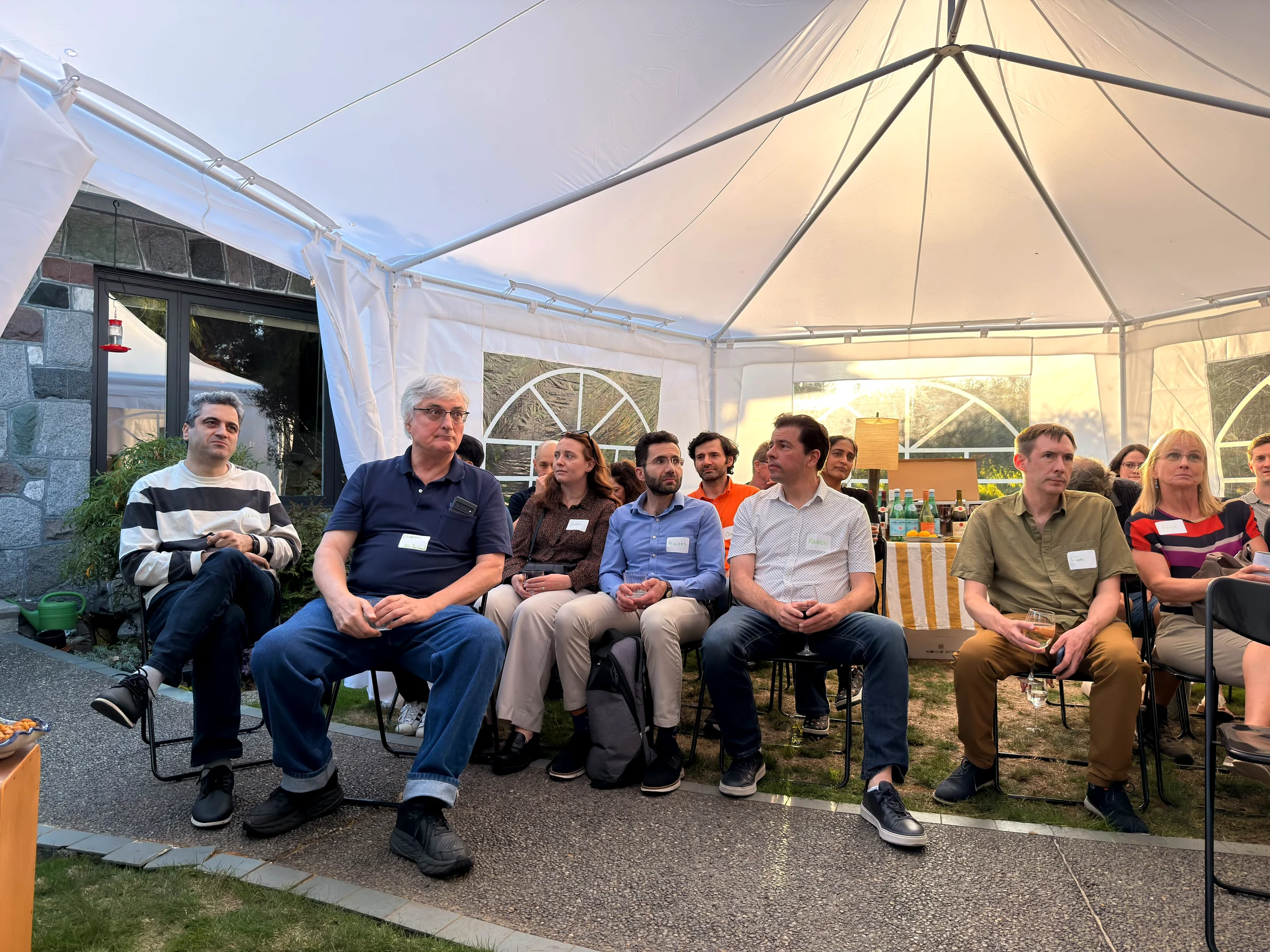
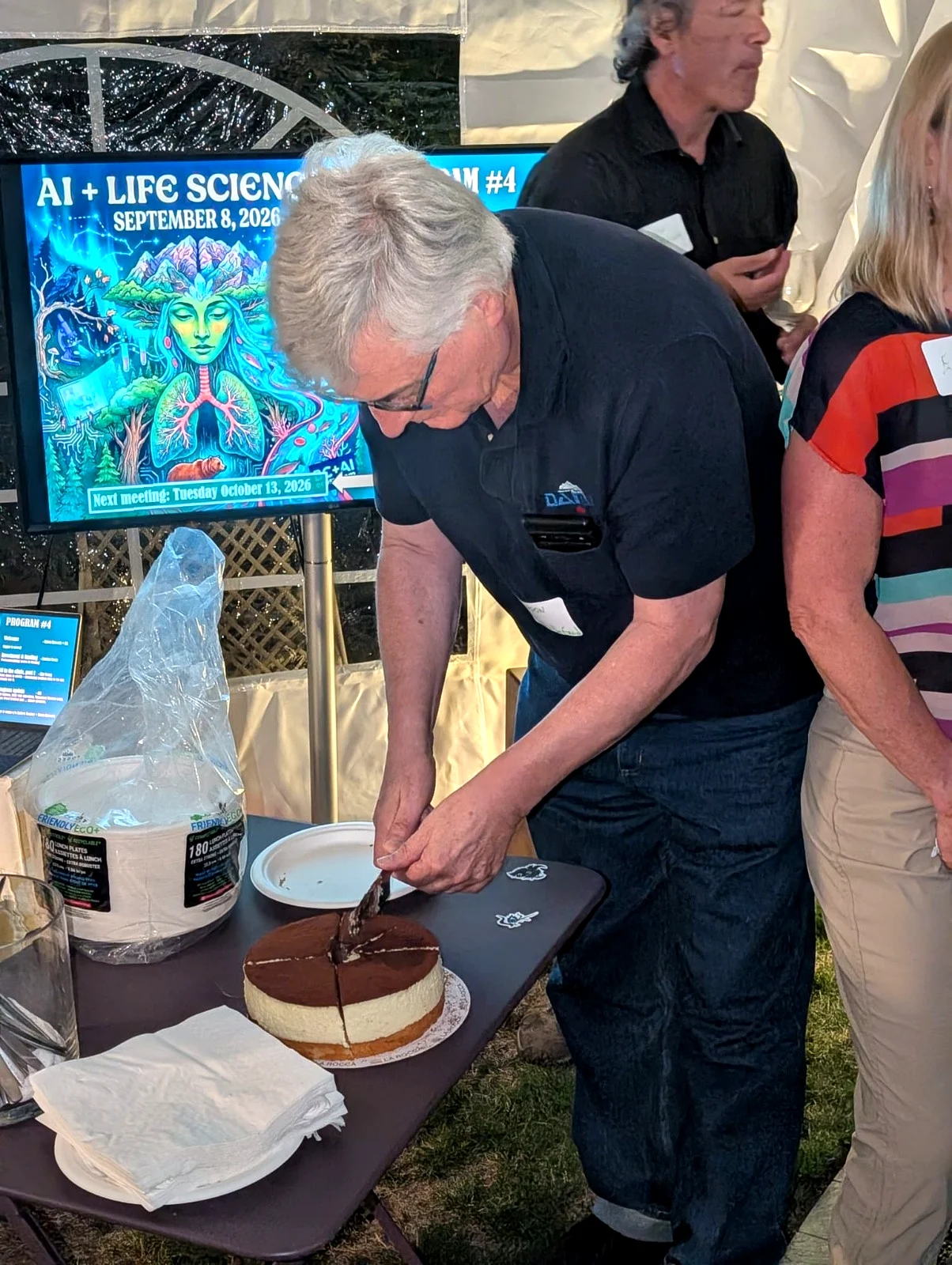
Photos from this meetup
Captured by BC + AI Life Sciences community. Click any photo to view full size. The lightbox lets you download and share.
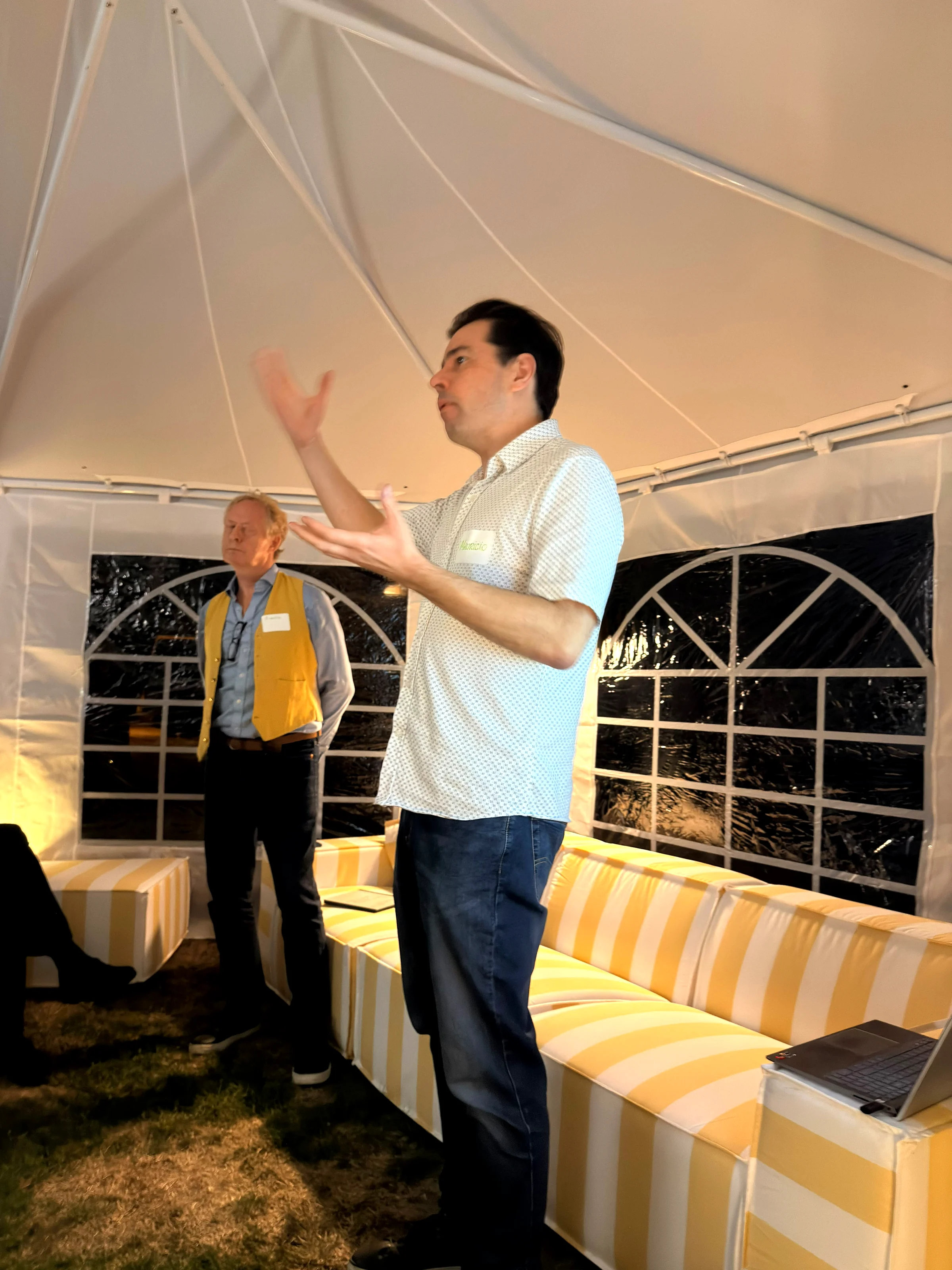
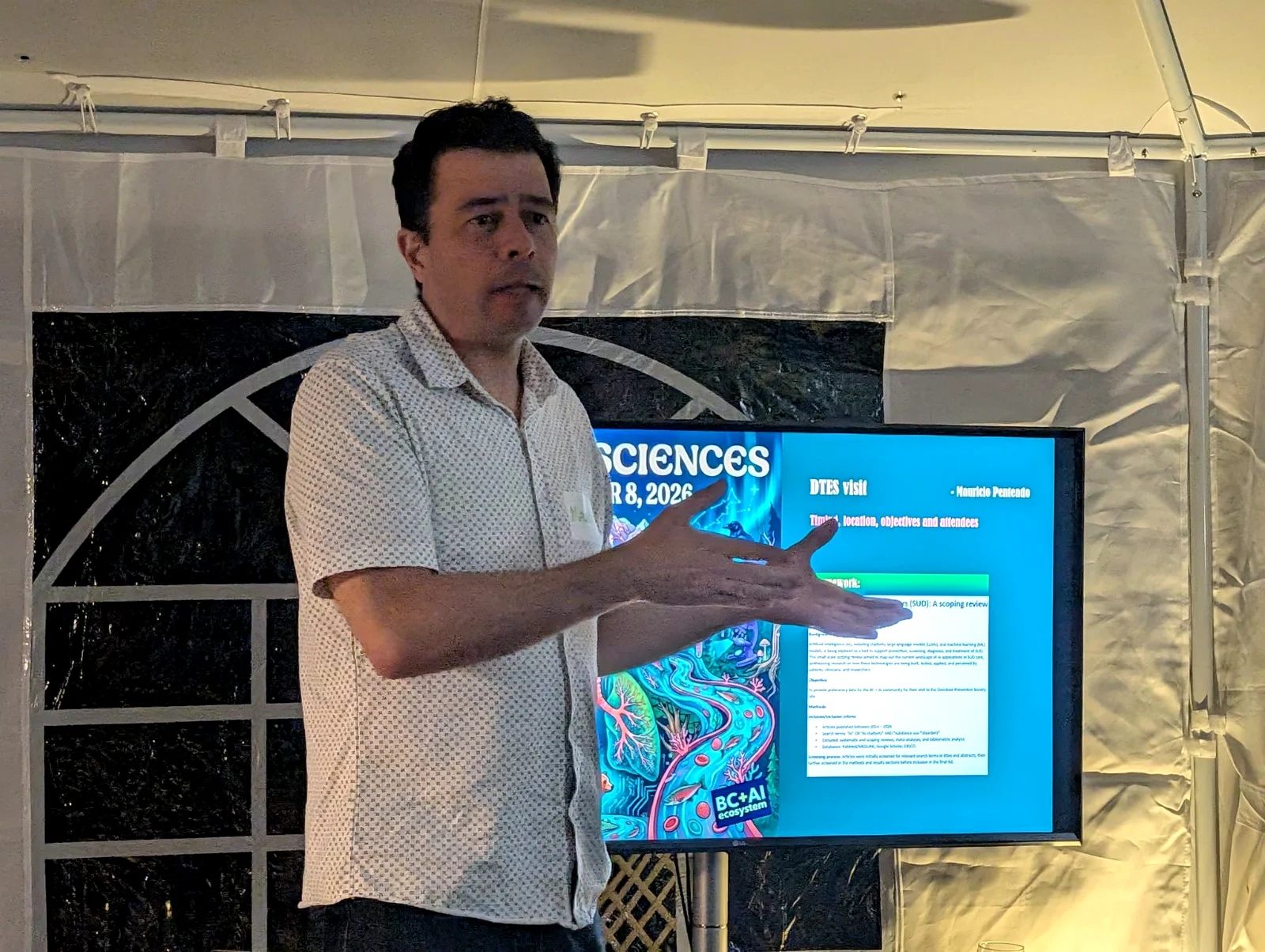
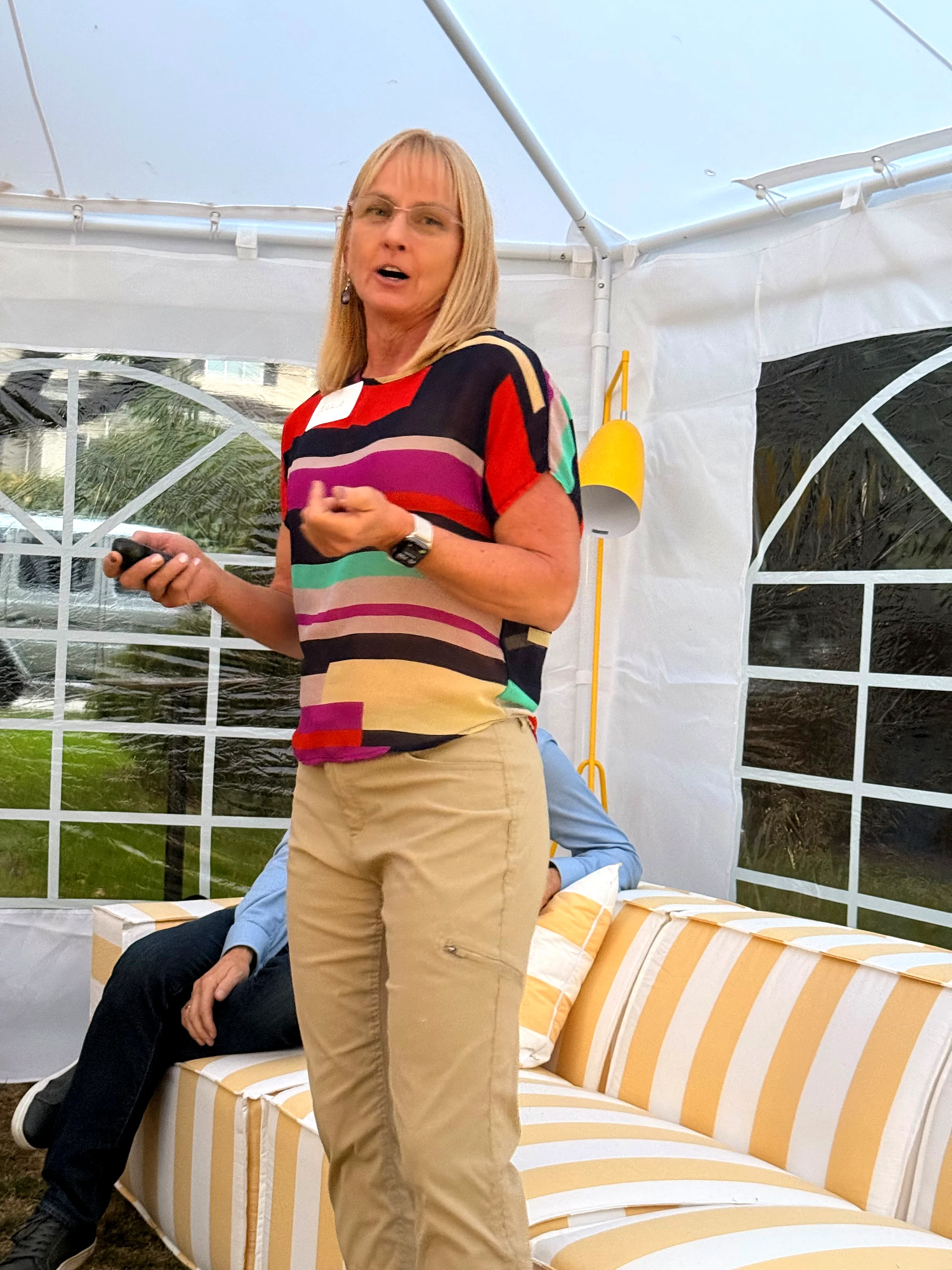
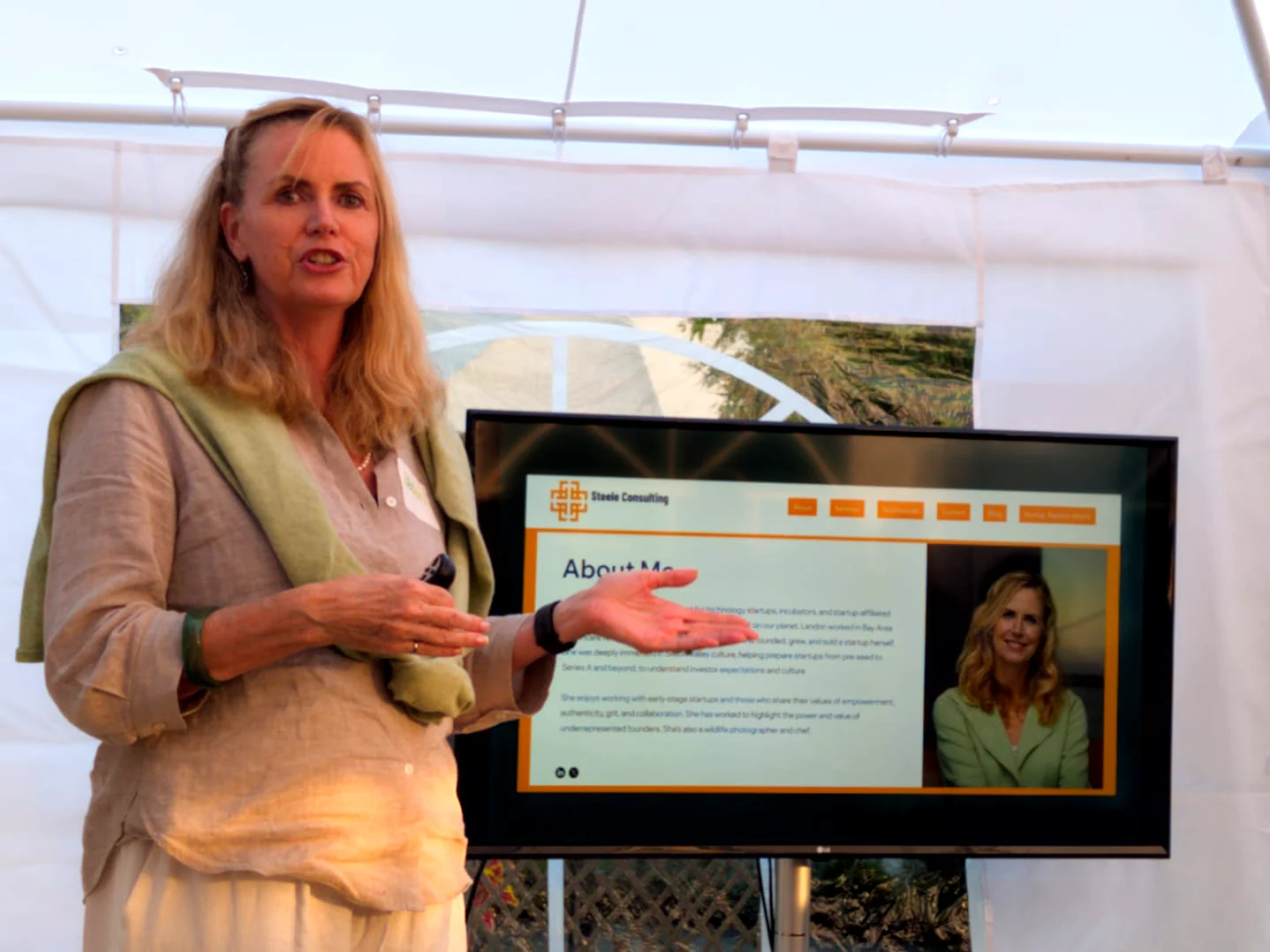
More from this event
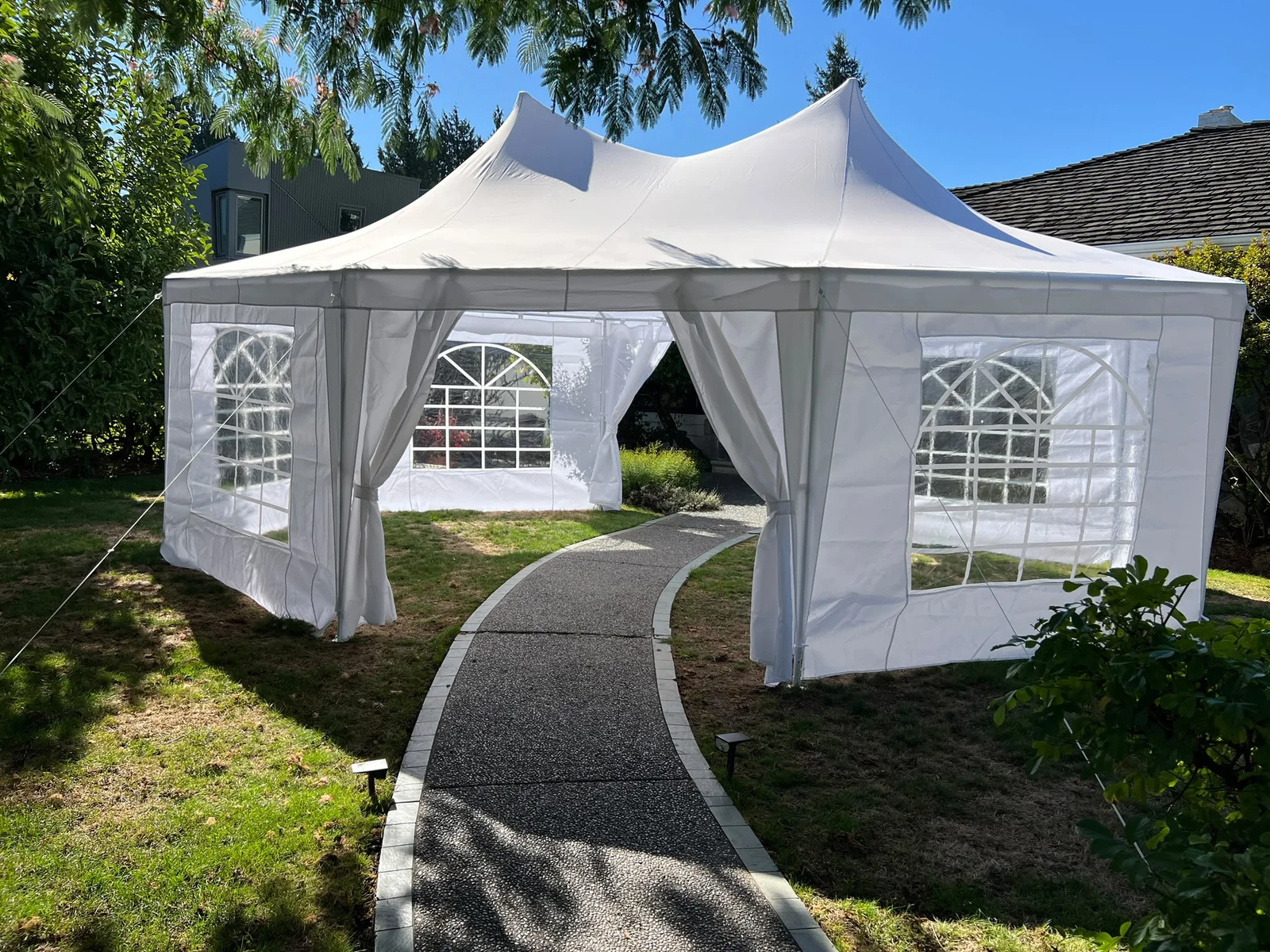
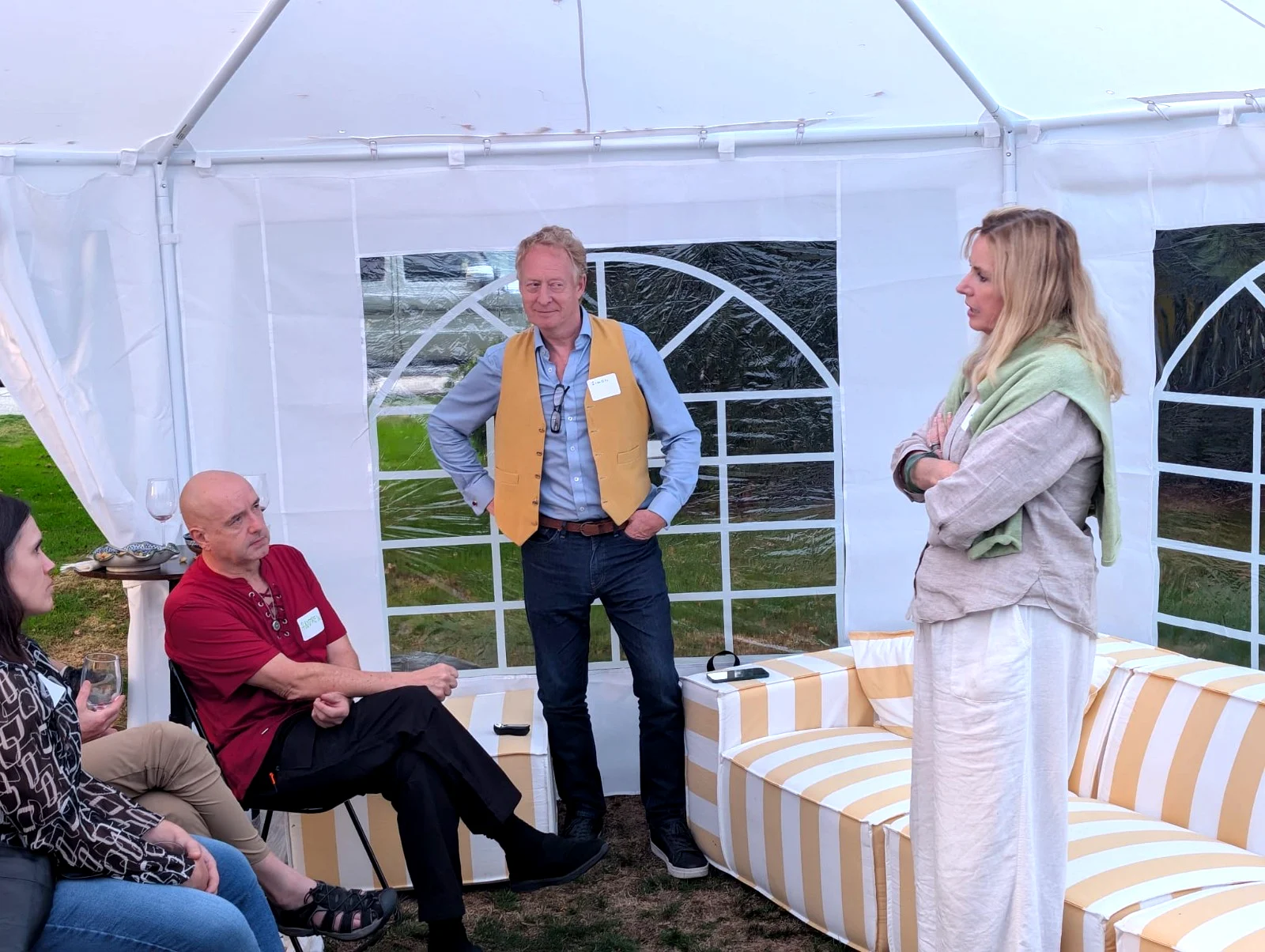
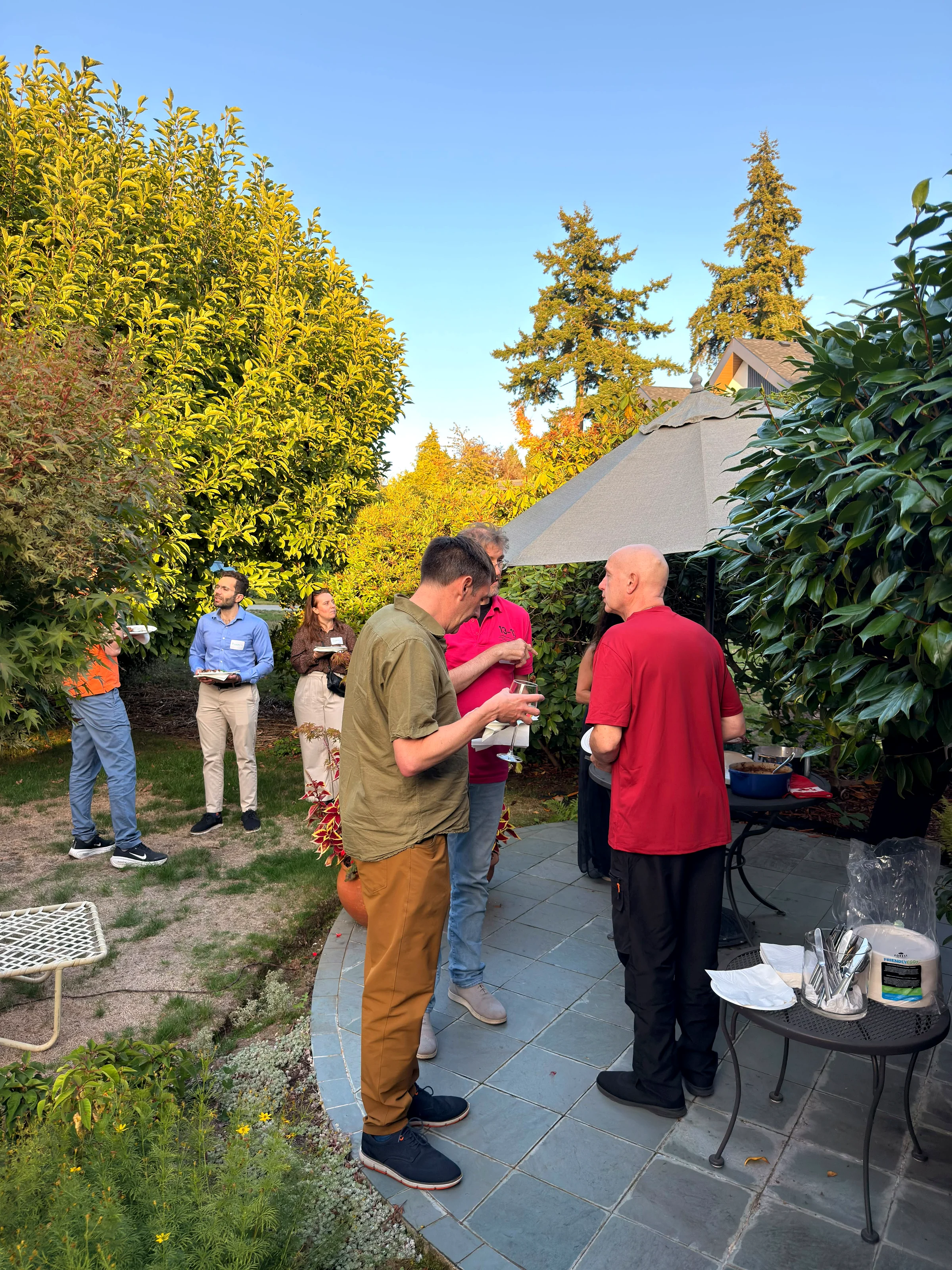
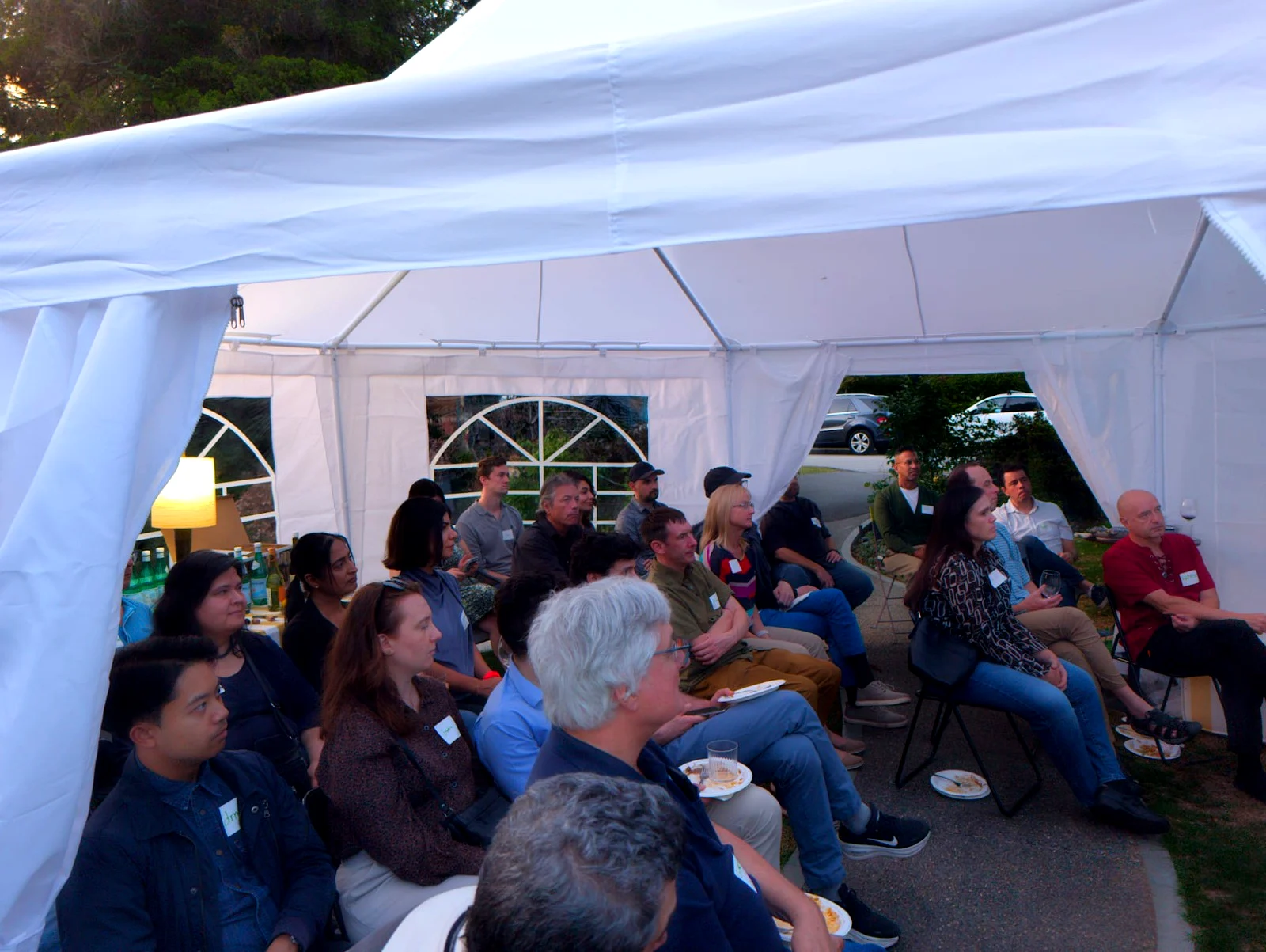
The fourth AI + Life Sciences supper kept the format that's worked since the first one: a home table, a full meal, and two speakers who actually disagree with parts of their own industry. Simon Haworth hosted and opened the night, as he does, mid-rant.
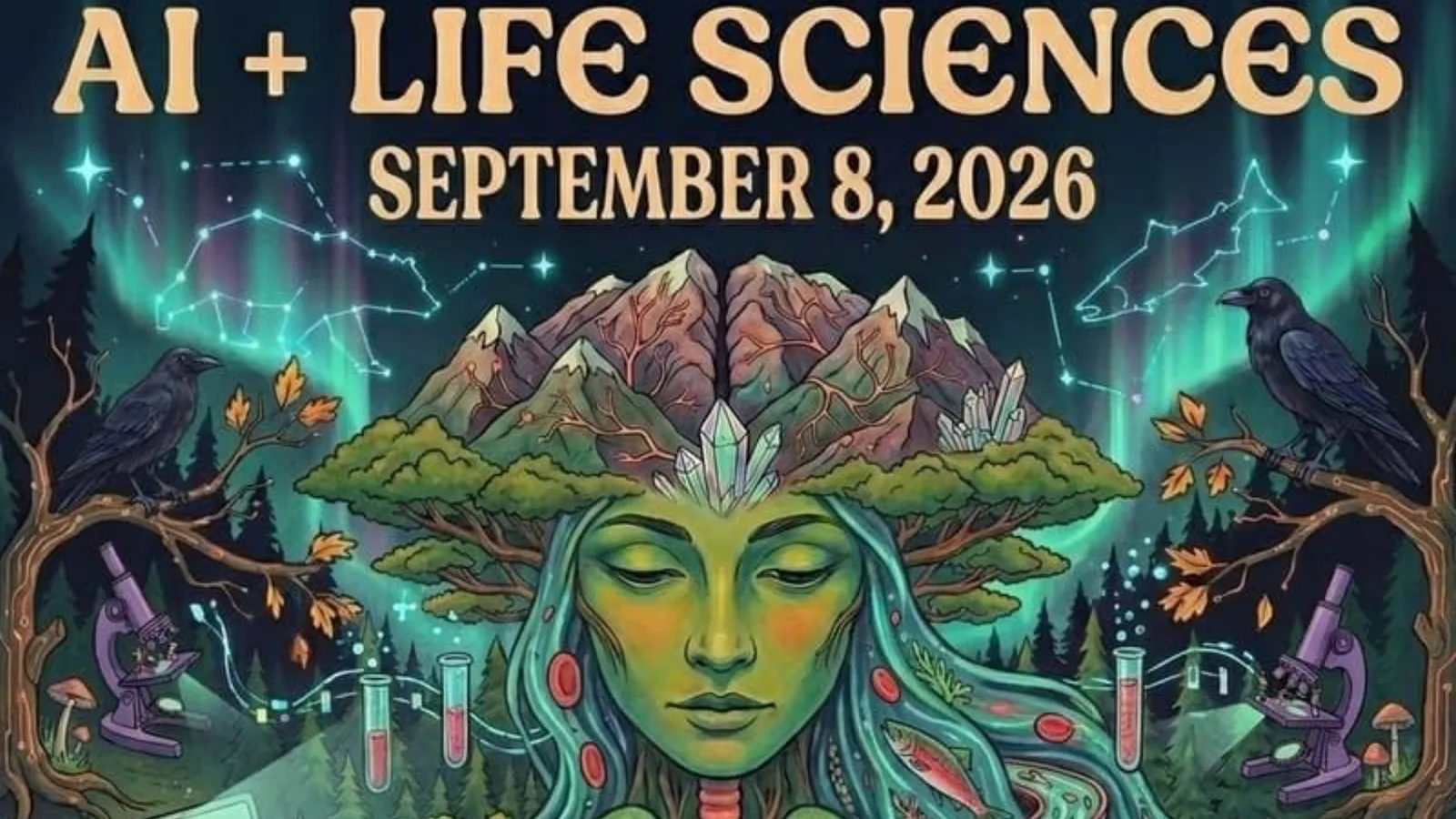
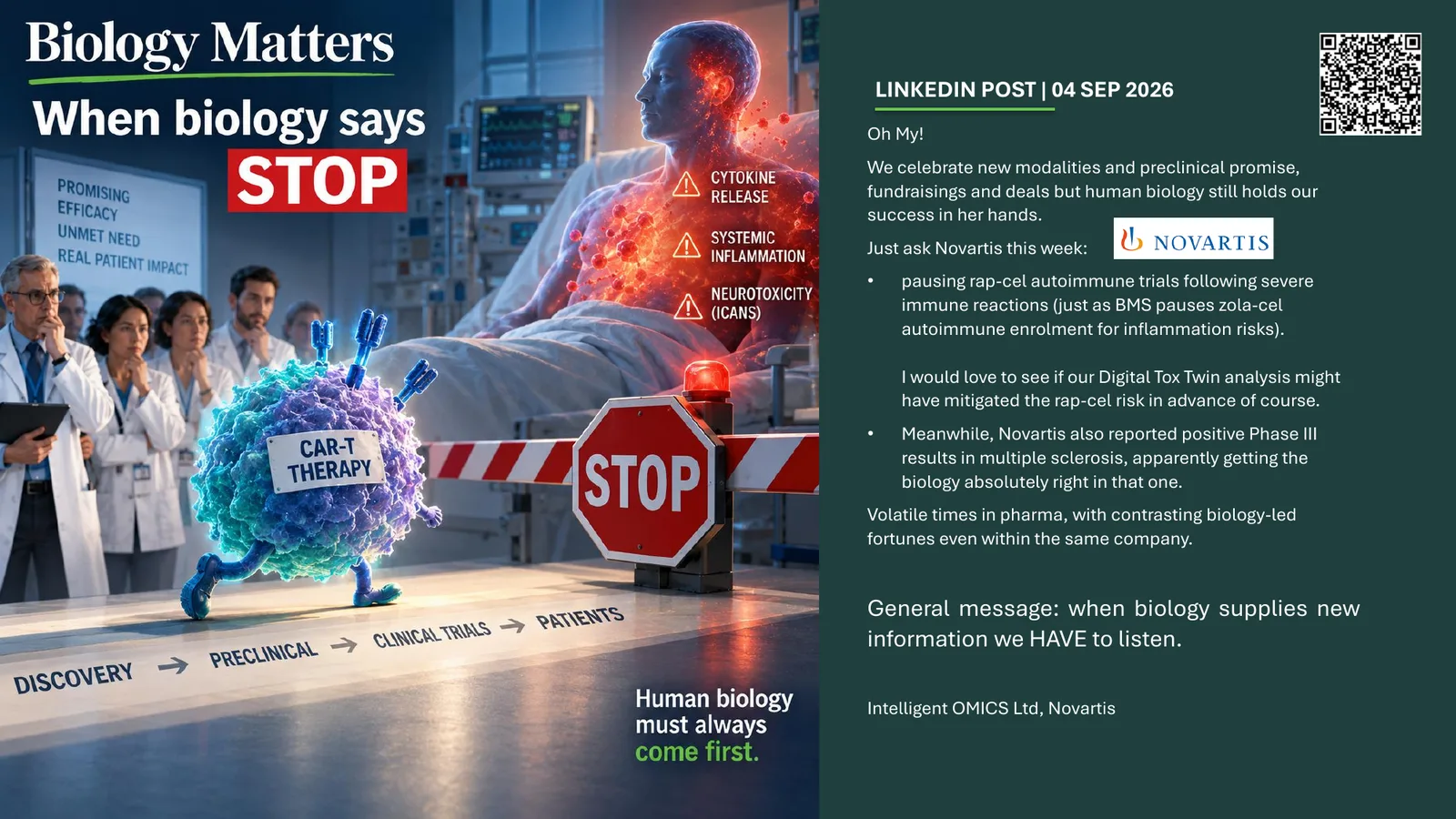
Biology matters
Simon's opener was a slide-by-slide walk through a rough week of his own LinkedIn posts, all under the banner "Biology Matters." His complaint: a lot of AI drug-discovery coverage is claiming to have "solved" biology when the harder truth is that human biology, not the chemistry, is still what decides whether a drug works.
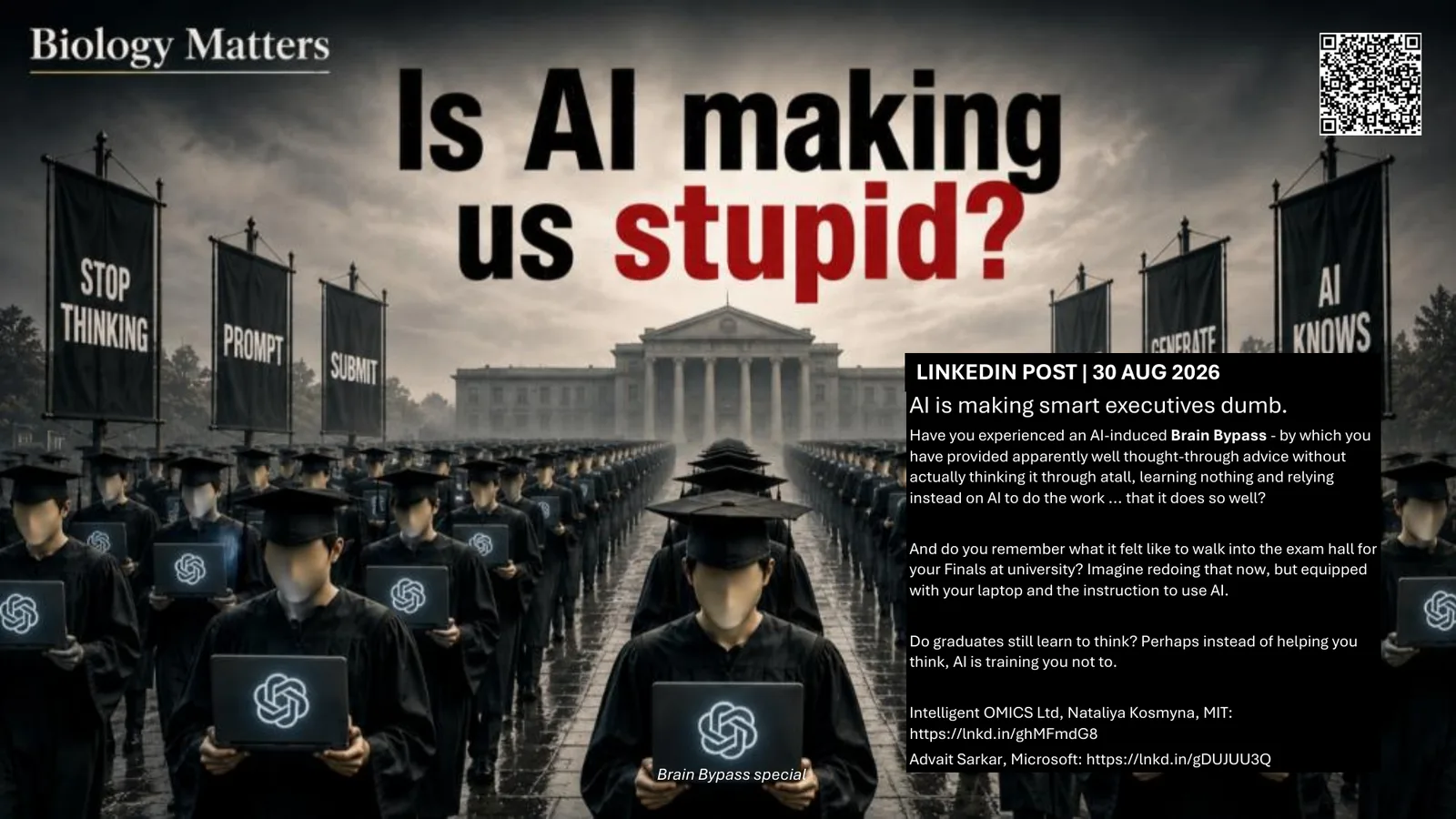
He walked through a genuinely volatile week in pharma: Novartis pausing multiple trials for safety reasons in the same stretch it announced a Phase III win, and the wider industry debate over whether AI-discovered drugs are actually novel or just efficient re-derivations of what's already known.
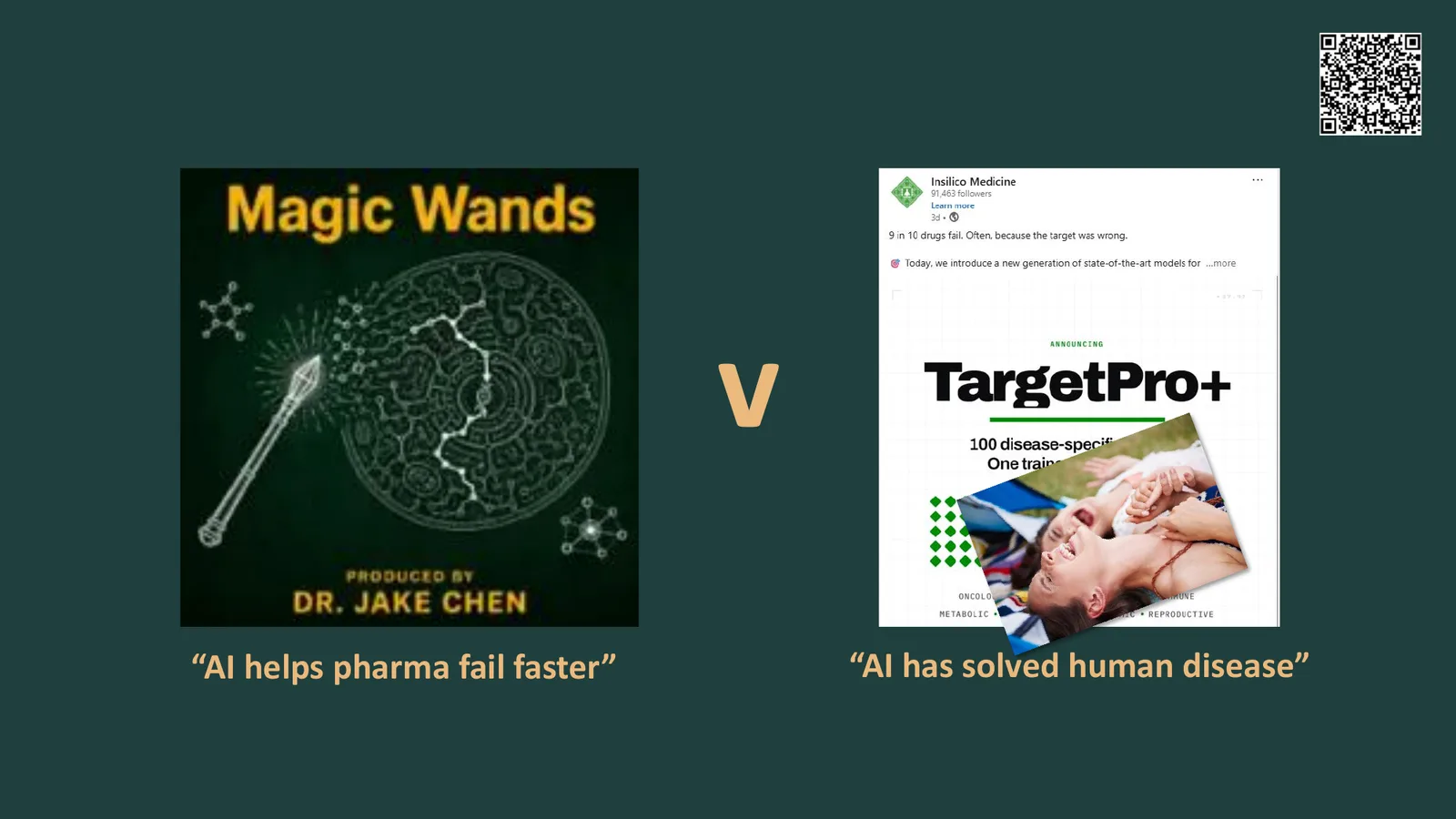
His favourite framing of the week, borrowed from a drug-discovery podcast: "AI helps pharma fail faster" versus "AI has solved human disease." Only one of those is true, and it's not the exciting one.
Building the tools Canadian founders actually asked for
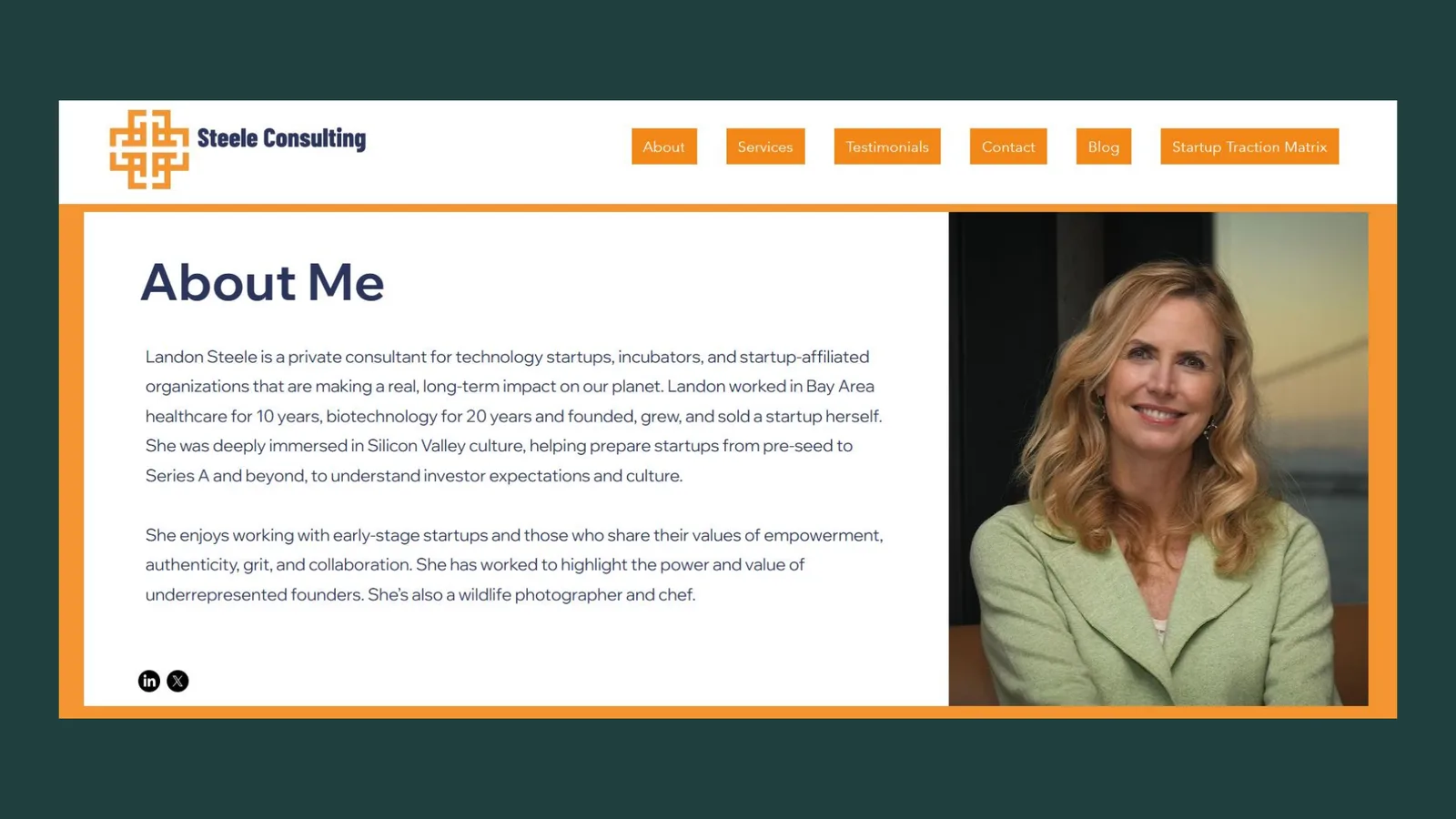
The evening's first talk came from Landon Steele of Steele Consulting Group, a chemical engineer who spent roughly thirty years in Bay Area biotech and startups before moving back to Canada. She now advises about thirty early-stage health and life-science founders through a Waterloo accelerator cohort, and this summer she vibe-coded three tools with AI to answer the one question every founder asked her: how do I raise money?
The tools: the Startup Traction Matrix (free, shows founders what "good," "strong," and "exceptional" traction looks like by sector and stage), My Capital Roadmap (a sequenced, investor-matched funding plan for Canadian health and life-science founders), and The On-Ramp Newsletter, a monthly calendar of Canadian accelerator, pitch competition and investor-conference deadlines.
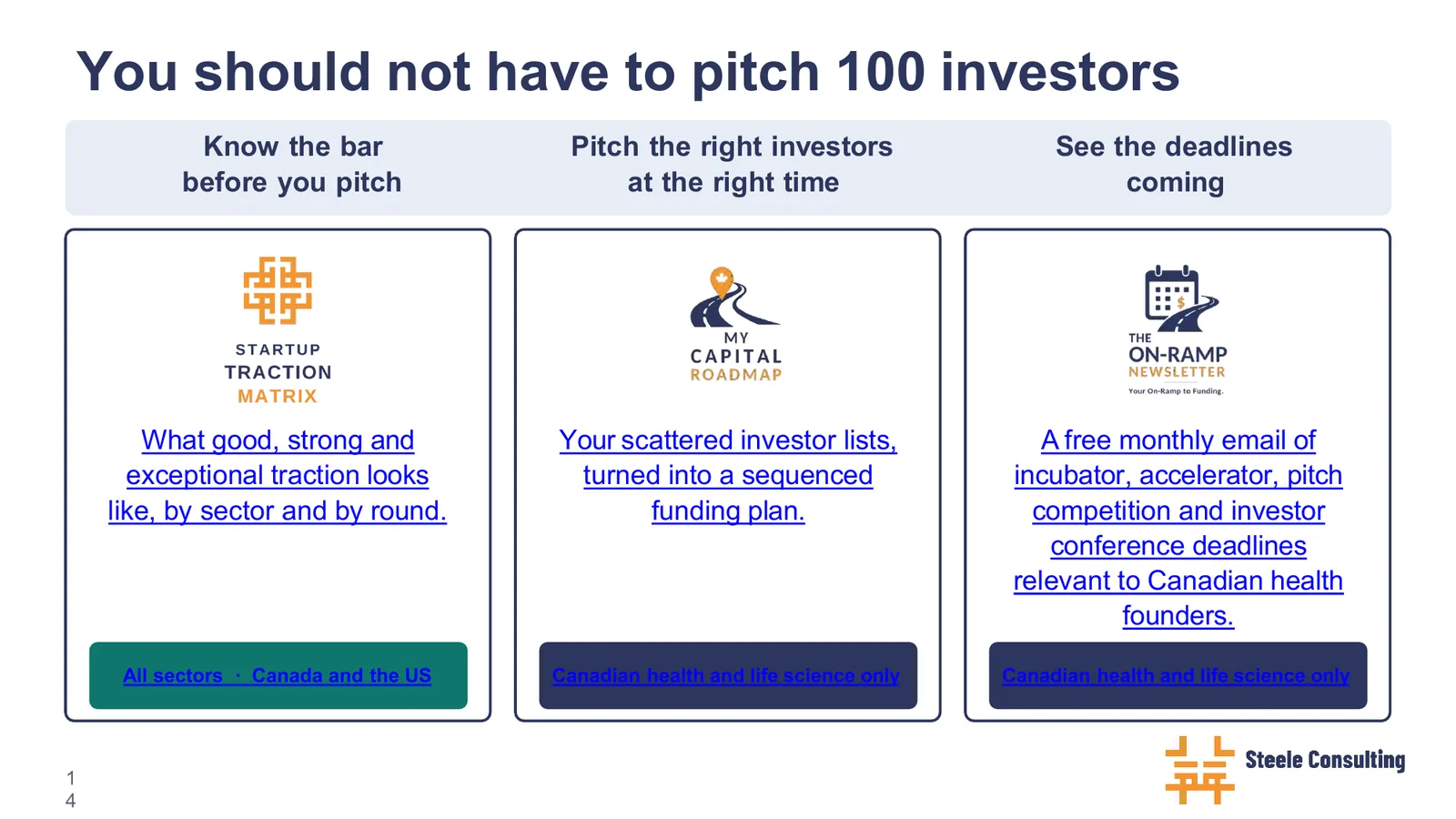
Her broader argument: the old advice, "just pitch a hundred investors," was always a Bay Area number, not a Canadian one. Outside the Bay Area's density, most of those hundred pitches are to the wrong people at the wrong stage. Her read on why founders leave Canada wasn't the usual "we're too risk-averse" line. She pointed instead at a funding system that's siloed by province, university and sector, in a market too small to support the fragmentation.
From chaos to clarity: getting BC's health data to actually mean something
The second talk tackled a less glamorous but arguably harder problem: getting health data standardized enough to be useful at all. The speaker led a multi-year, publicly-funded project mapping BC's Lower Mainland Cerner health-record data (the "CST" project across Vancouver Coastal Health, Providence Health Care and the Provincial Health Services Authority) onto OMOP, an international open data standard built by OHDSI, a global research collaborative she's a founding Canadian member of.
She opened with a live exercise: a run of ordinary food photos, asking the room a simple question about each one.
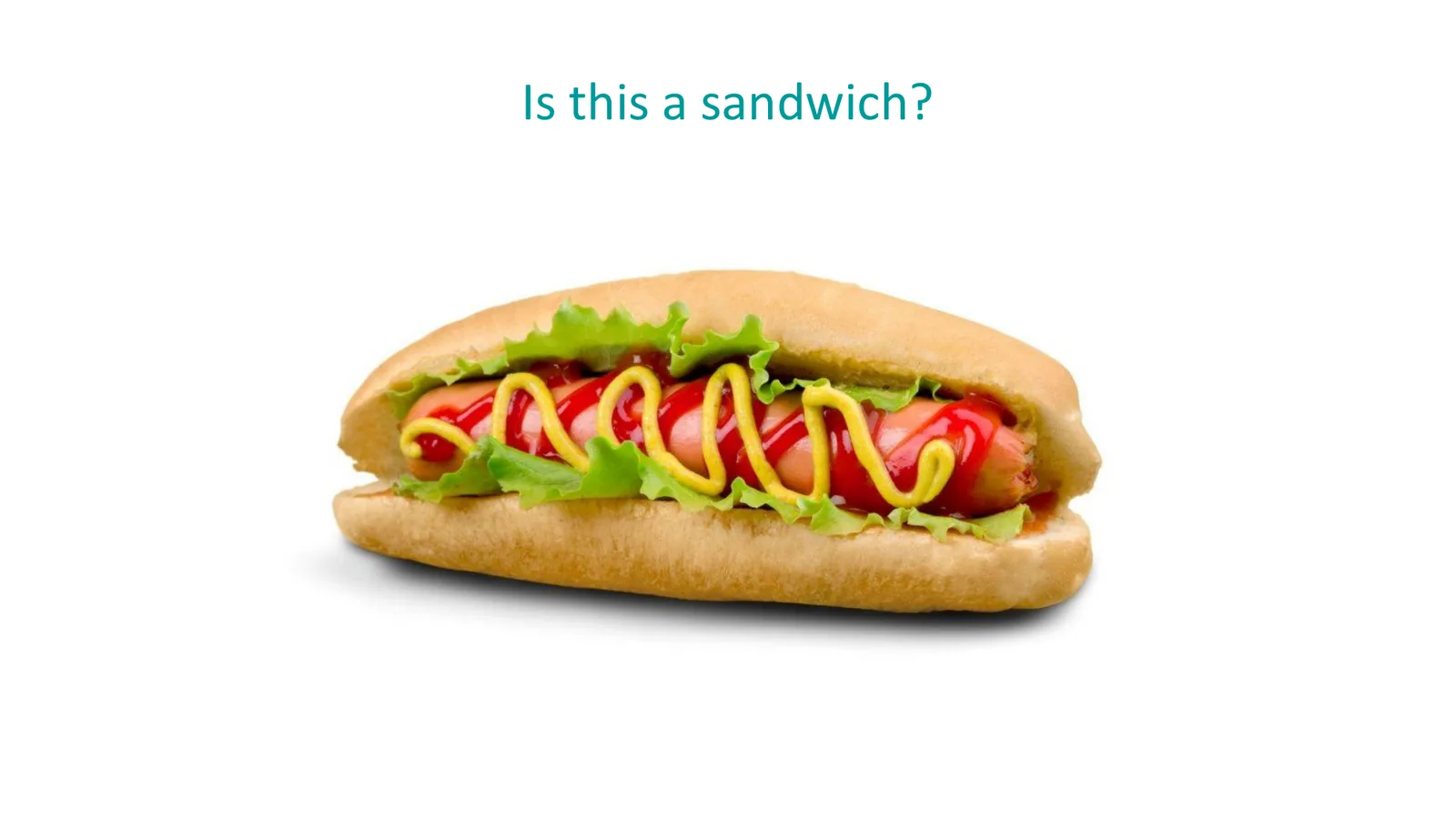
The point: a room full of people who work in data all day couldn't agree on the definition of a sandwich. That's the whole problem with health data before anyone standardizes it. Her framing for AI layered on top of bad data was blunt.
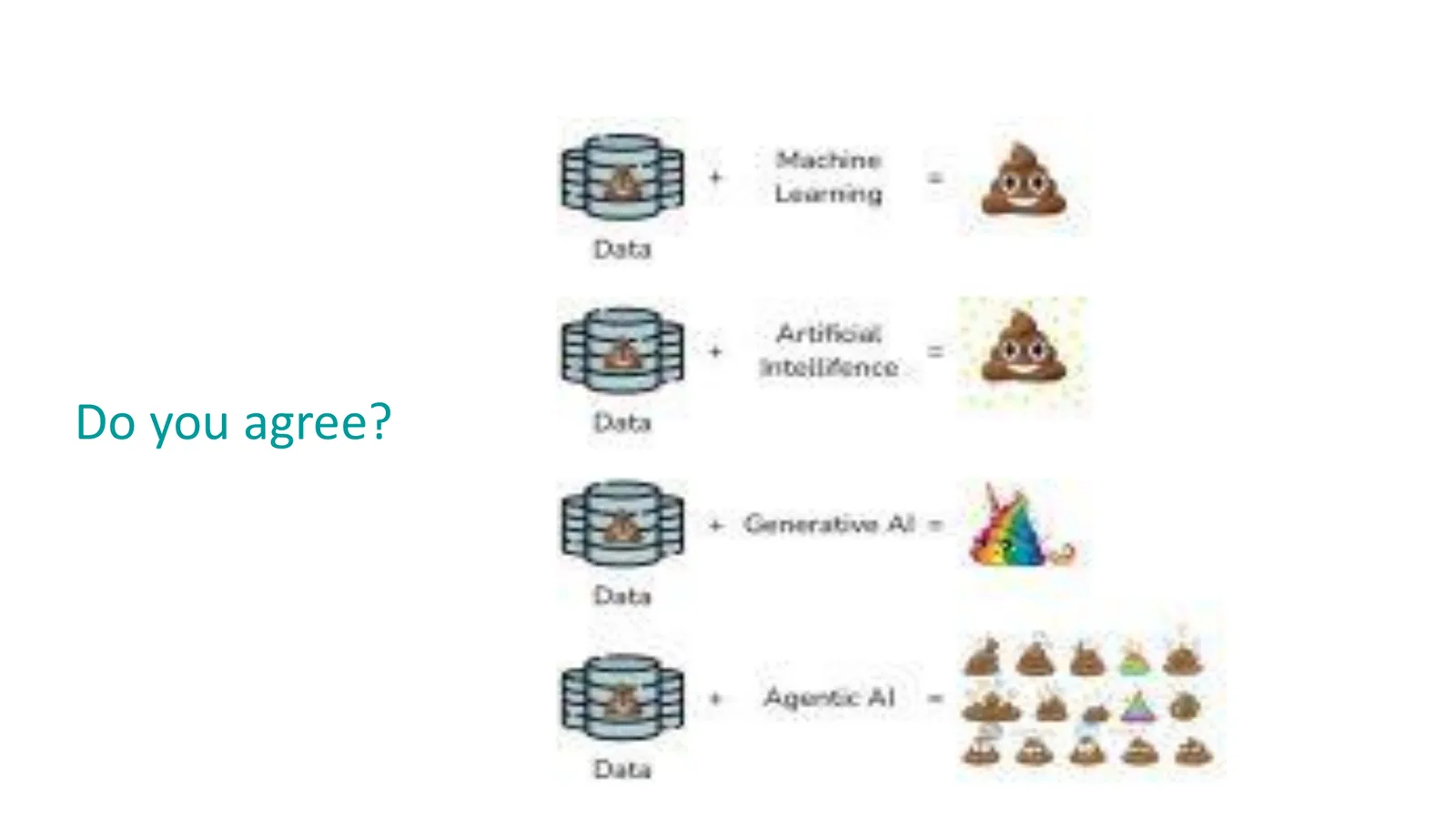
Getting stakeholder agreement to even use a shared data standard took her project almost a year, before any technical work began. The technical mapping, it turns out, is the easier part, and most of it is reusable once one hospital system is mapped. An oncologist in the room backed up the "bad data" framing from the clinical side: he no longer writes his own patient notes at all, letting an AI scribe draft them for his review, because decades of manually-typed EMR data were built for billing, not care.
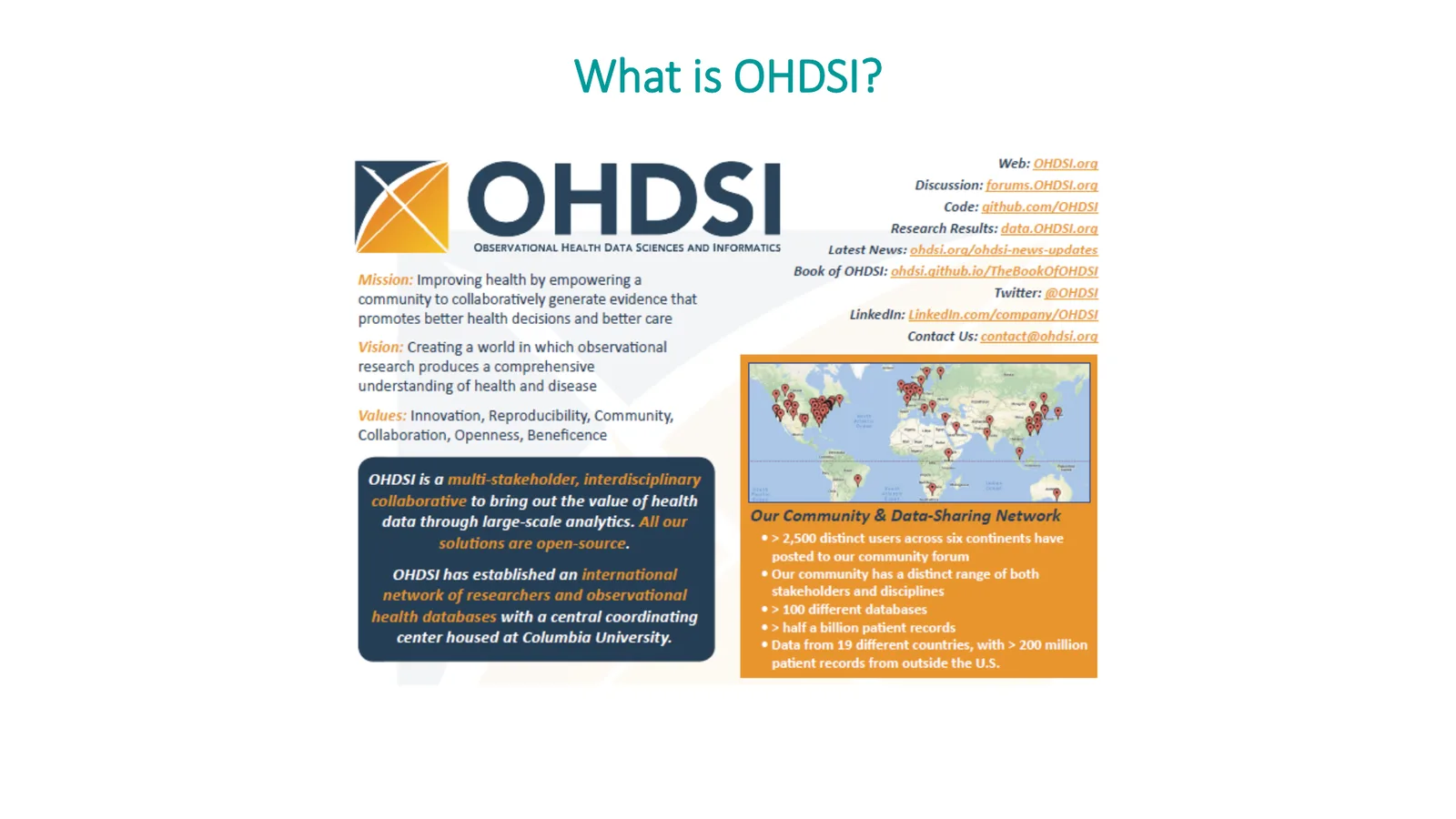
Standardized data compounds internationally. Once BC's data is mapped to the shared model, it becomes linkable with health systems in the UK, Australia, New Zealand and South Africa, which matters most for rare-disease research, where any single country's patient cohort is usually too small to draw a solid conclusion from alone.
Program updates: Wild Salmon, the Downtown Eastside, and the Vancouver Macnab
The Wild Salmon program (Simon's push to bring Canadian science and business talent back from abroad) and the group's commitment to local application both moved forward this month. A visit to the Overdose Prevention Society on the Downtown Eastside, first floated at the previous supper, is now locked in: listening only, no pitching, with a short scoping review on AI in substance-use care prepared as advance homework for attendees.
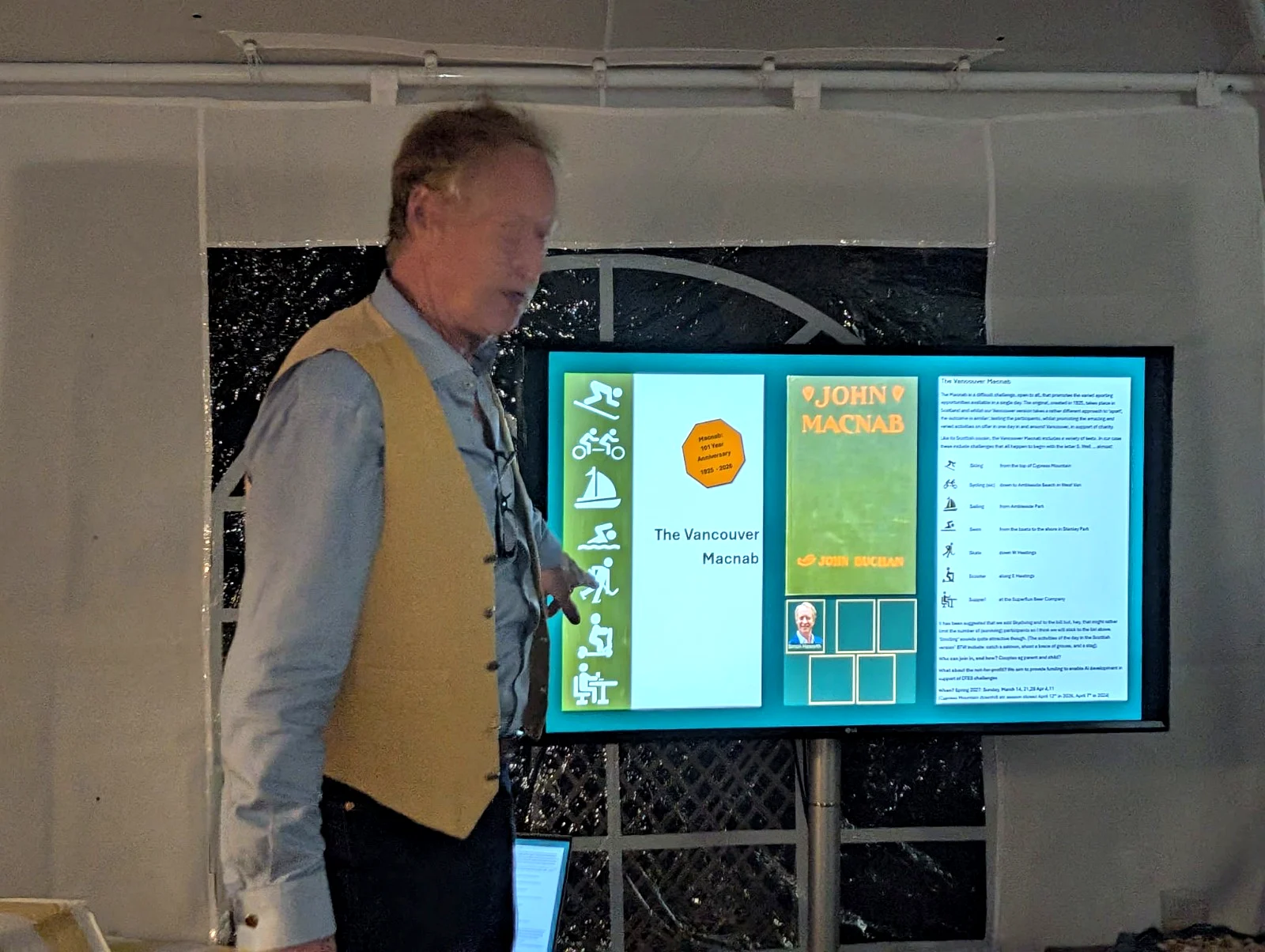
The host also updated the room on the Vancouver Macnab, the one-day endurance-chain challenge he has been developing since the summer: ski, cycle, sail, swim, skate, scooter, supper. A team has formed around it, and the route has been redesigned to run through the Downtown Eastside rather than finish at a more comfortable beach, a direct response to earlier feedback that the original concept read as out of touch. It is still an idea rather than an event. Nothing is booked and nothing is agreed.
And BC + AI's Futureproof Festival returns October 28 to 30, 2026: three days of talks and community across AI, culture and ideas, growing directly out of these meetups, hackathons and film nights.
The gallery stays with the room, not a roster. No attendee names beyond the hosts and the two speakers who came to be heard. The next AI + Life Sciences supper is Tuesday, October 13, 2026.
What this is
BC + AI Life Sciences Meetup #4 is a BC + AI community event recap with photos, recordings, and details from the Vancouver AI ecosystem.
Who it is for
AI builders, researchers, policy people, creatives, educators, students, and citizens looking for practical local AI community.
When and where
Tuesday, September 8, 2026, 6:00 PM – 9:00 PM PT at 6151 Collingwood Pl, Vancouver, BC V6N 1V2, Canada.
How to join
Browse upcoming Vancouver AI events, RSVP on Luma, or become a BC + AI member to support the association behind the gatherings.
See upcoming eventsLatest Luma Details
- Event:
- BC + AI Life Sciences: Investment update and clinical AI in practice
- Date:
- Tuesday, September 8, 2026
- Time:
- 6:00 PM – 9:00 PM PT
- Location:
- 6151 Collingwood Pl, Vancouver, BC V6N 1V2, Canada
- Organizer:
- BC + AI Ecosystem Association
- Status:
- Completed
- Attendance:
- In person