Module 1
Foundations
Understanding AI and its limits. How these systems actually work. The accuracy problem: why AI sounds confident when it is wrong. Global frameworks you can reference when making decisions.
Personal AI Inventory
Cohort 8 · Responsible AI Professional
November 12 to December 3, 2027
Close 2027 with a responsible AI practice you can use. RAP meets online over four Fridays from November 12 to December 3, with governance artifacts and a capstone.
Online · Zoom · Limited to 30 participants
Register for Cohort 8 Compare all RAP cohorts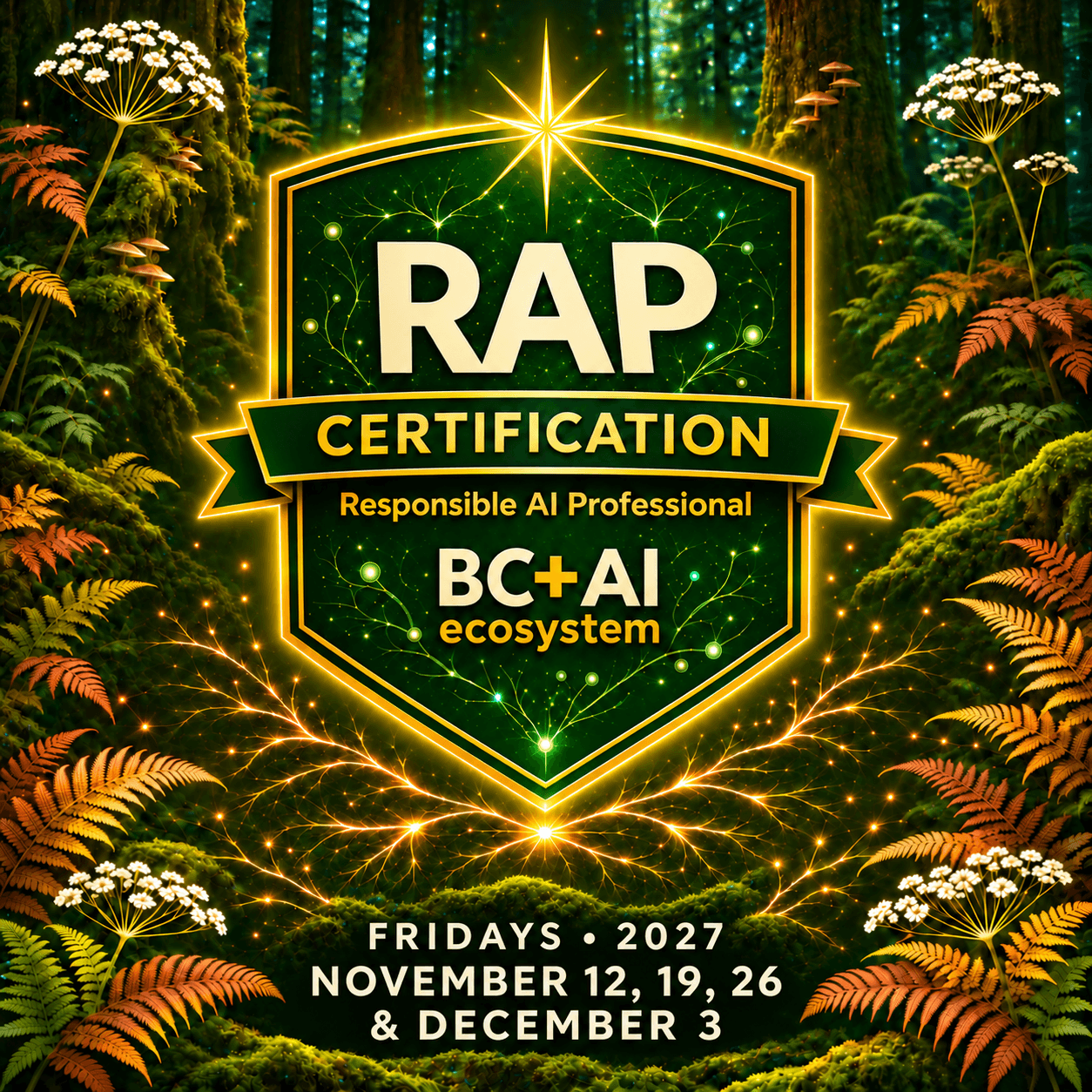
Your calendar
3:00 to 4:30 PM Pacific Time
3:00 to 4:30 PM Pacific Time
3:00 to 4:30 PM Pacific Time
3:00 to 4:30 PM Pacific Time
Your Zoom join details are provided through your Luma registration. Allow time between classes for readings, practical exercises and your capstone.
What you build
Each RAP cohort is built around practical exercises, scenario work, and assessment. It is not attendance-based. You pass quizzes and complete artifacts.
Module 1
Understanding AI and its limits. How these systems actually work. The accuracy problem: why AI sounds confident when it is wrong. Global frameworks you can reference when making decisions.
Personal AI Inventory
Module 2
Bias, privacy, and ownership. Algorithmic bias and fairness definitions (and why they conflict). Privacy and consent in an age of surveillance capitalism. Copyright questions nobody has fully answered yet.
Ethics Assessment
Module 3
Deployment, labor, and environment. When should AI be deployed? When should it never be? Labor implications. The environmental costs nobody wants to talk about.
Deployment Checklist
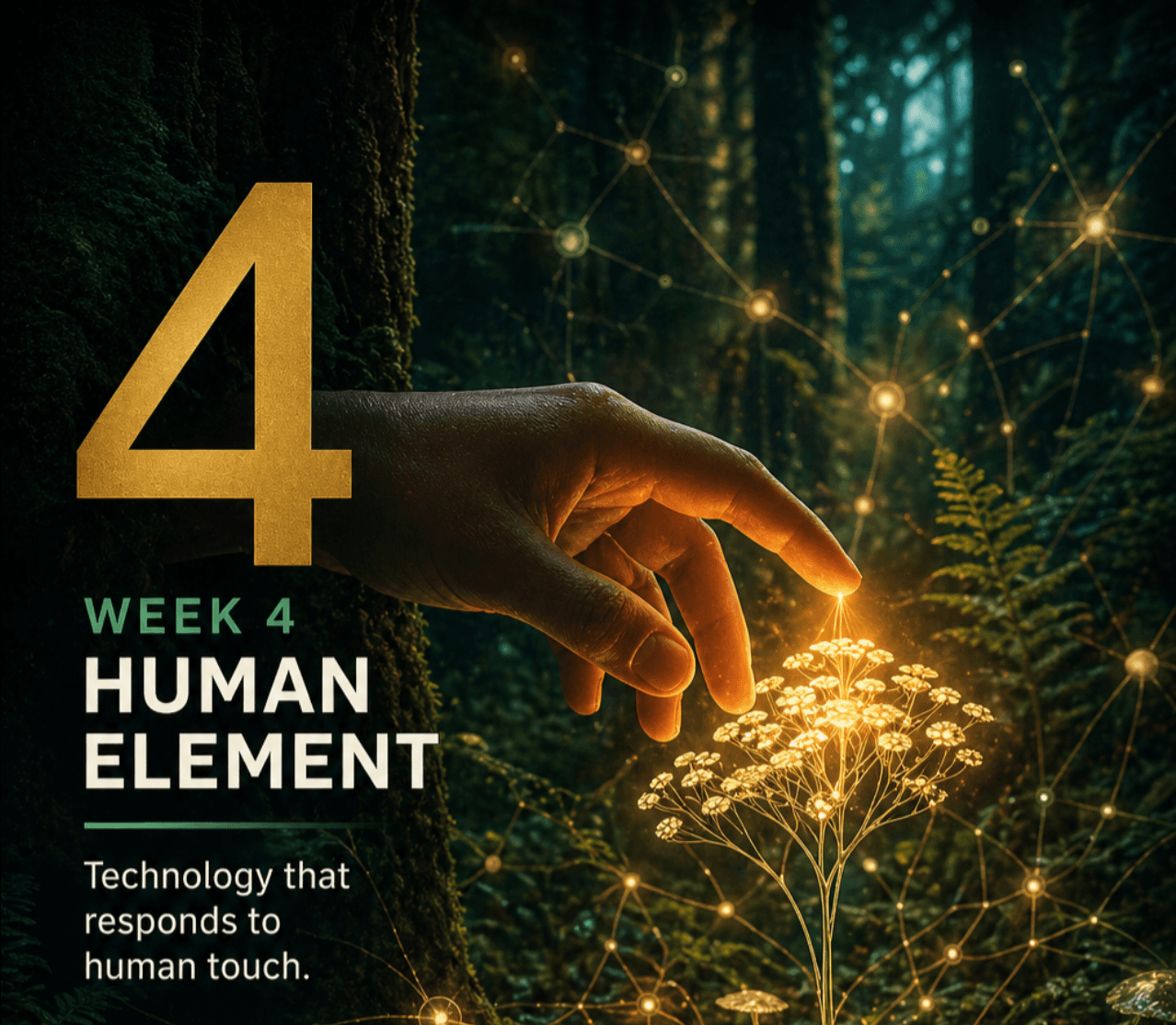
Module 4
Authenticity, relationships, and meaning. Deepfakes and trust erosion. AI companions and vulnerable populations. What creativity and agency mean when machines can do the work.
Ethics Impact Assessment
Use your four governance artifacts to build an Ethics Practice Assistant with instructions and reference materials you can keep refining after the program. Put it to work on deployment questions, check its responses against your assessments, and keep the final judgment in your hands.
Explore graduate reflections and capstone walkthroughsThe program team
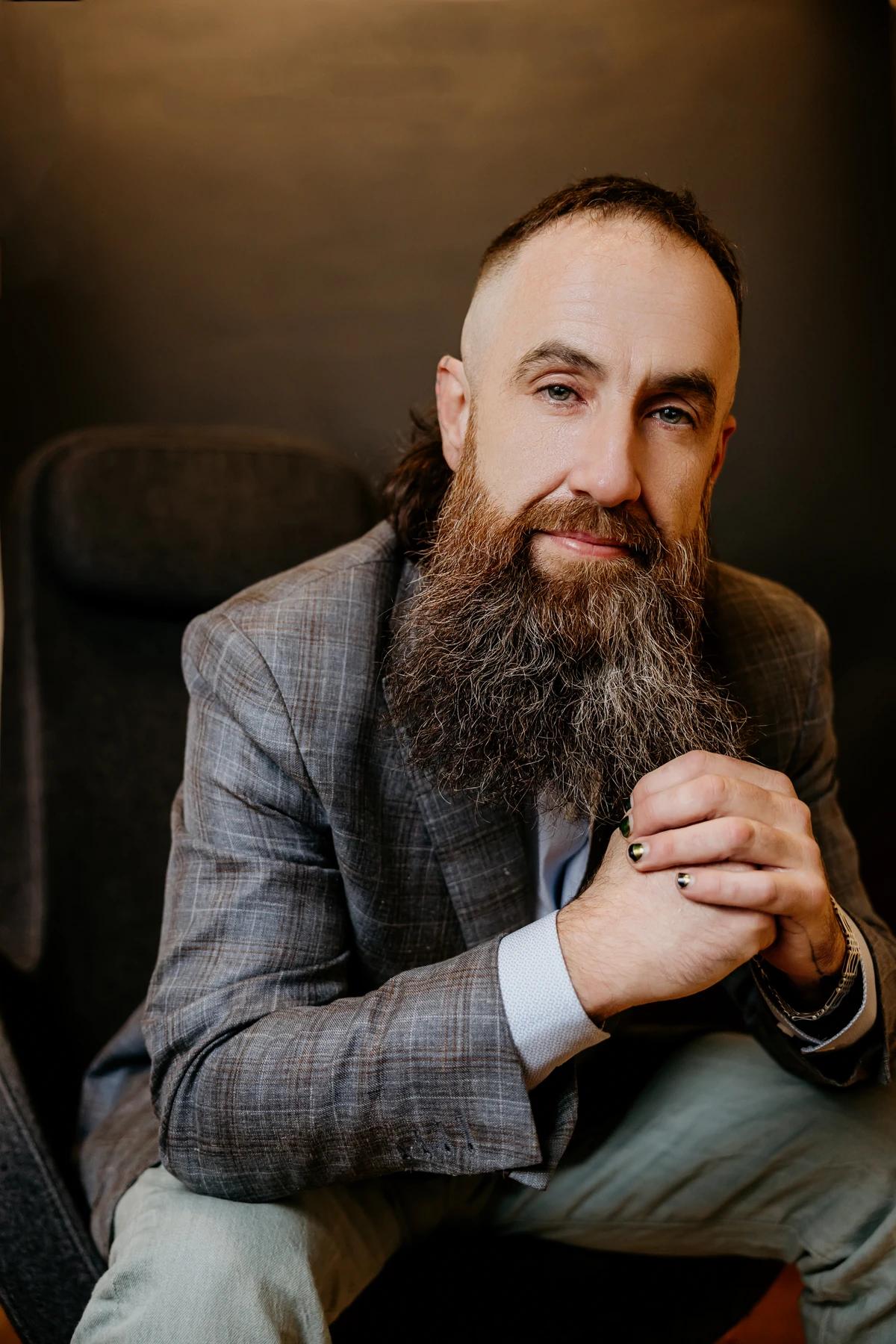
Program Lead
Executive Director of BC + AI Ecosystem Association and founder of the Vancouver AI Meetup. Has spent 25 years building technology across creative and technical worlds, from the world’s first Drupal development company to Dead.net for the Grateful Dead. Brings two years of listening to what people actually struggle with.
Photo: Michelle Diamond.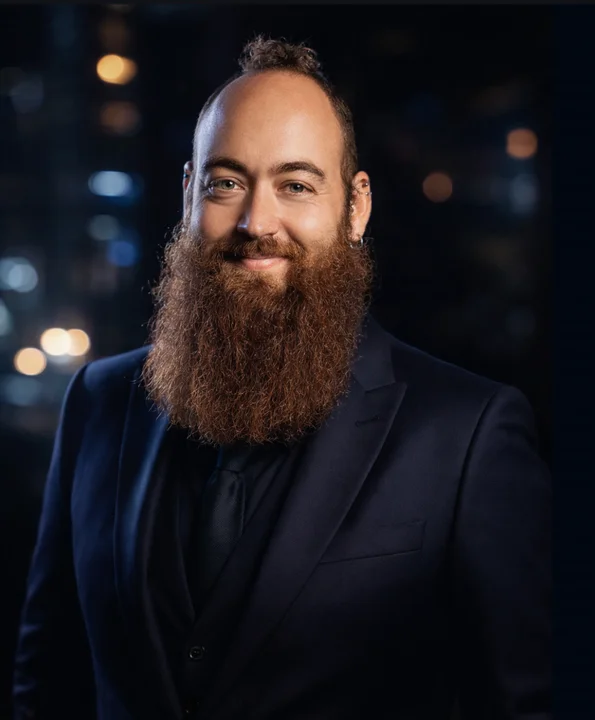
Curriculum Lead
PhD in Forensic Statistics, Master’s in AI. Mozilla alum with production ML systems experience. Knows responsible-AI assessment frameworks cold and is volunteering his expertise because this work matters to him.
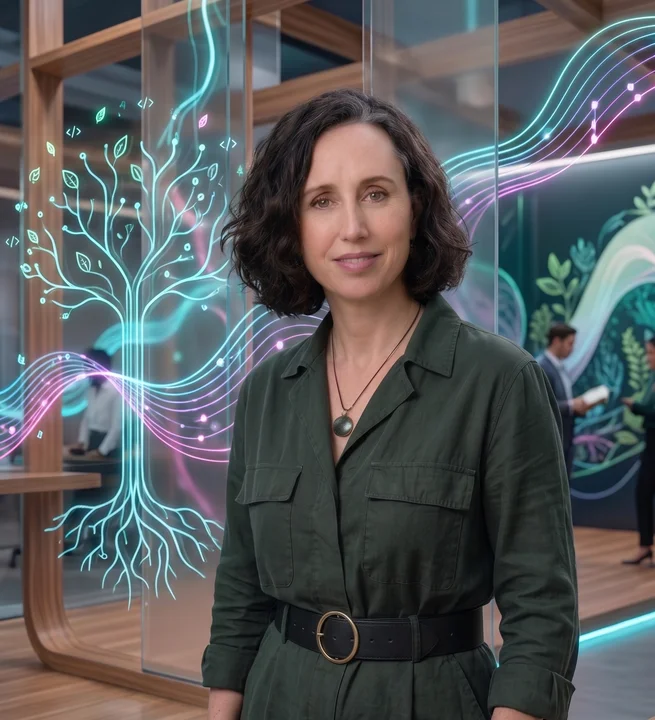
Governance Facilitation
20+ years in nonprofit leadership, helping mission-driven organizations adopt AI responsibly. Her perspective grounds everything in values-centered practice.

Instructor · RAP alumna
HR and people-strategy leader with experience in leadership development, organizational culture, and talent strategy. Her work focuses on the future of work and responsible collaboration between people and AI.
Each week produced a working artifact: a personal AI inventory, an ethics assessment, a deployment checklist and an impact assessment.