AI for All Has To Mean All of Us
Summary: Canada’s new national AI strategy is called AI for All. At the AI Ethical Futures Lab, the useful question is not whether the slogan sounds nice. It does. Good for the slogan. The question is whether “all” includes the people who will live with the systems, feed the datasets, pay the power bills, defend the water, protect the culture, teach the kids, run the small organizations, and repair the public trust after the demos leave town.
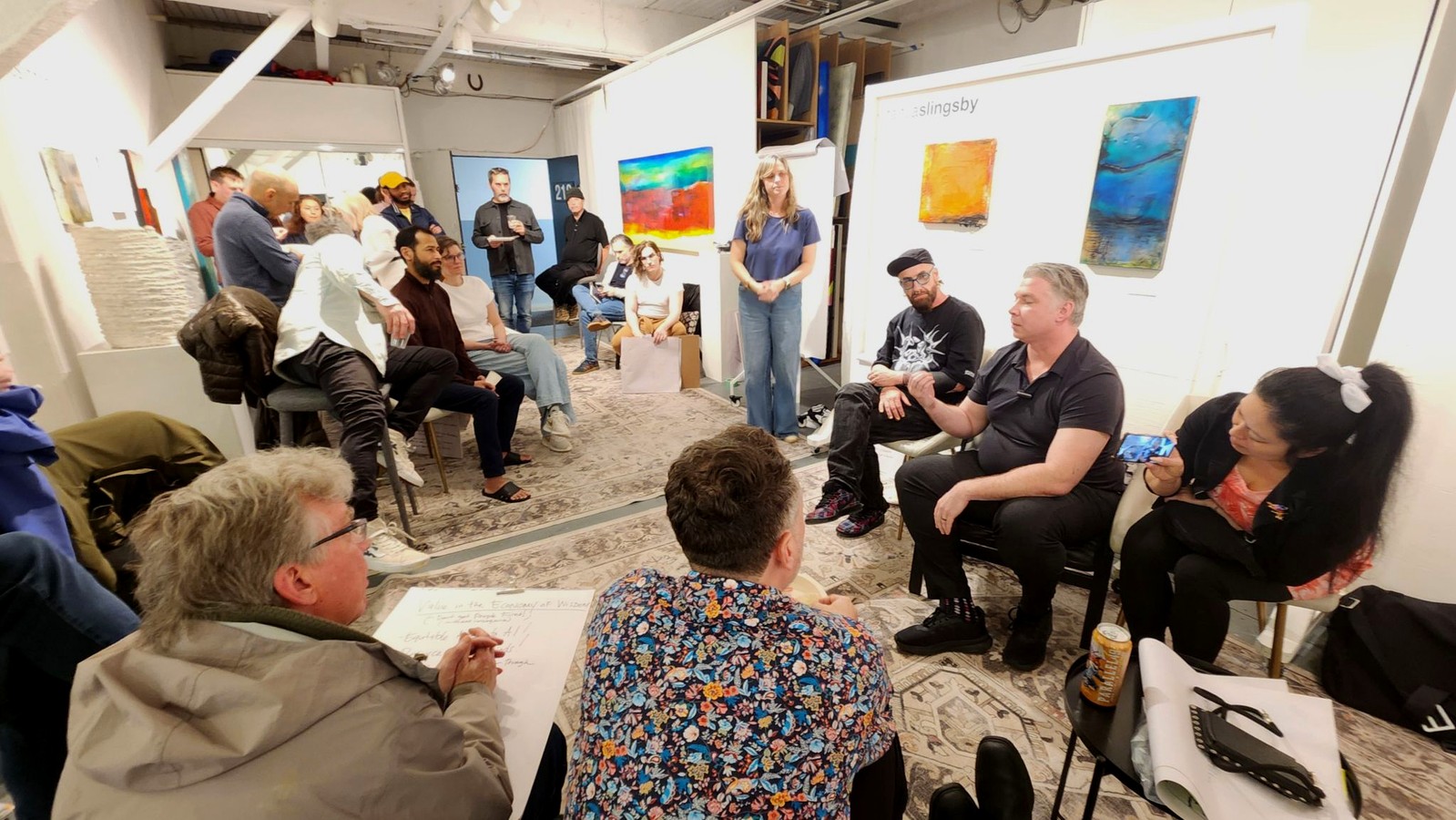
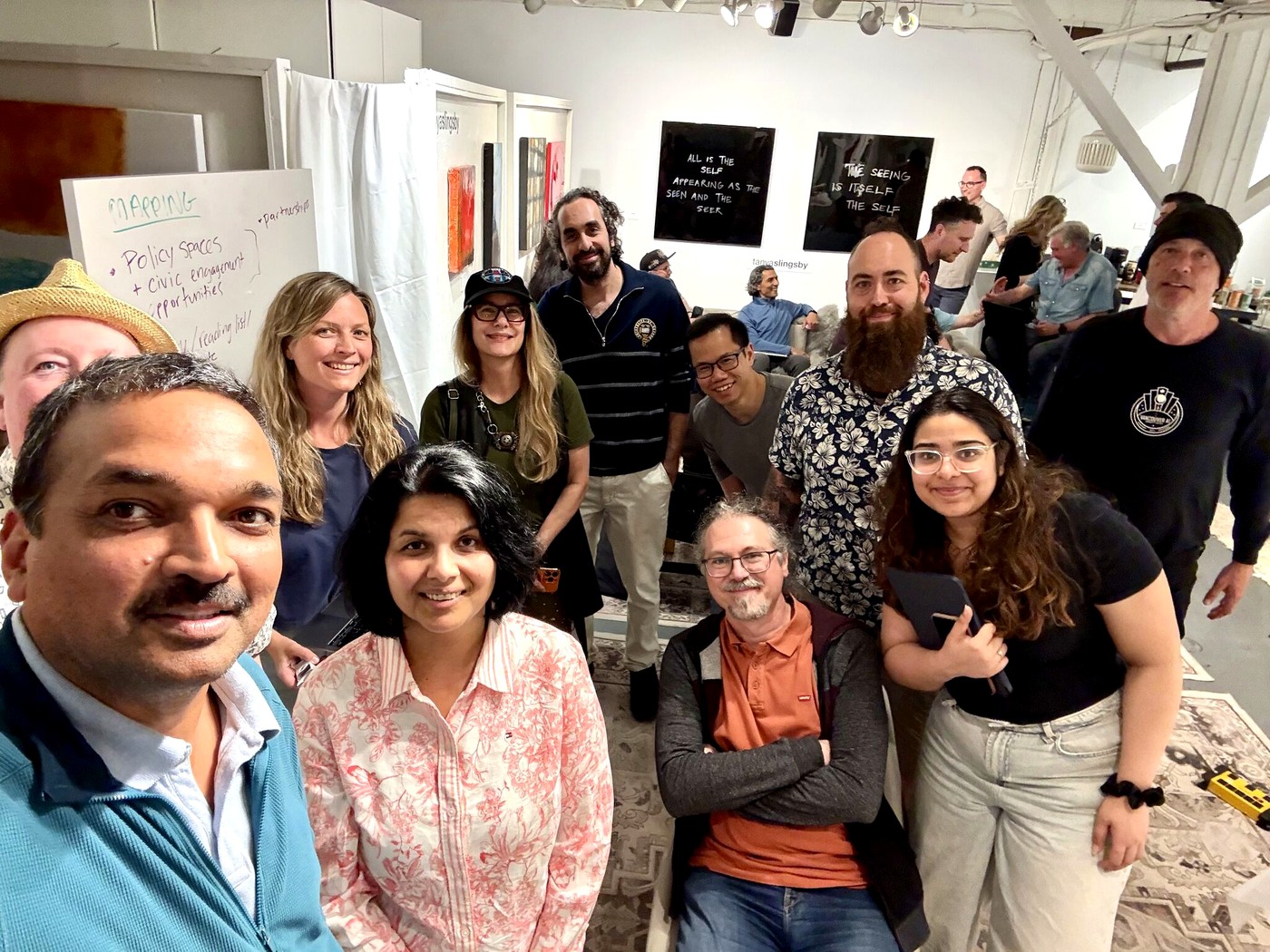
On Wednesday night at Parker Street Studios, before Canada’s new AI strategy page had even finished making the rounds, a circle of artists, technologists, researchers, organizers, educators, policy people, and the adjacently concerned sat down and did the thing policy processes often claim to want but rarely make room for.
They talked like adults.
Not like lobbyists. Not like vendors. Not like a panel trying to squeeze five LinkedIn clips out of forty minutes. Like people who know AI is already changing work, culture, public services, education, infrastructure, and democratic life, and who are not especially interested in pretending the story has only one mood.
There was curiosity in the room. There was grief. There was humour. There was fatigue. There was the familiar Canadian ache of watching federal ambition arrive with a nice title and then wondering whether the people closest to the consequences will get more than a consultation form and a thank-you email.
The federal frame is now public: Canada’s National Artificial Intelligence Strategy: AI for All. It names safety, skills, adoption, infrastructure, Canadian champions, and trusted partnerships. Those are real ingredients. They matter.
But ingredients are not a meal.
The AI Ethical Futures Lab exists because the harder work happens between strategy and consequence. It happens in rooms where nobody gets to hide behind the word innovation. It happens when “sovereignty” has to mean more than where the servers sit. It happens when creators ask whether consent is going to be treated as a design requirement or a public-relations garnish. It happens when Indigenous data sovereignty is not a footnote. It happens when compute is also water, power, land, heat, procurement, access, labour, and governance.
It happens when “AI for All” has to answer back.
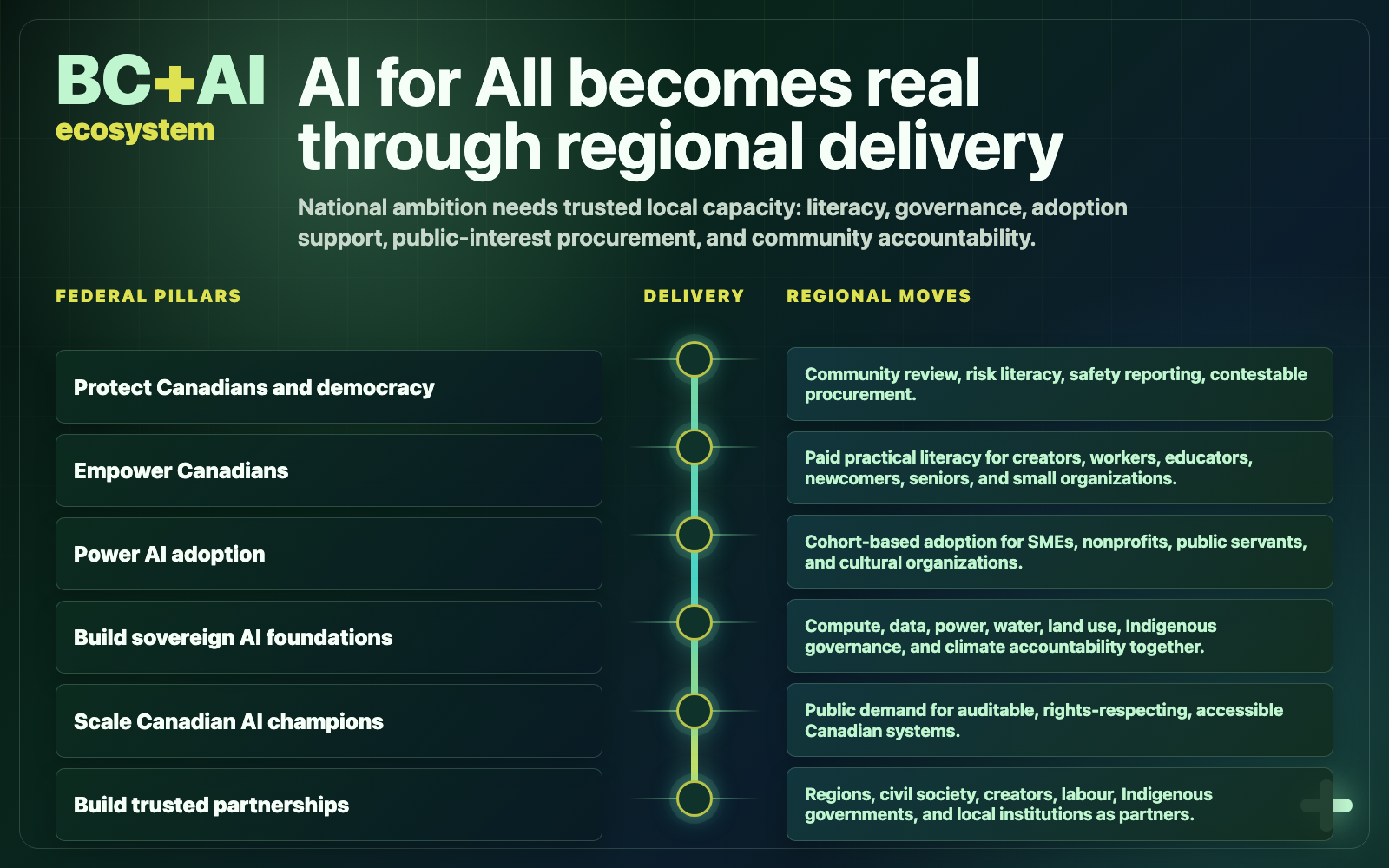
Here is the crosswalk the slogan needs:
| AI for All pillar | Regional delivery move |
|---|---|
| Protecting Canadians and safeguarding democracy | Fund public-interest governance capacity: community review, plain-language risk literacy, privacy practice, safety reporting, and procurement rules people can actually contest. |
| Empowering Canadians | Pay for practical AI literacy through trusted local intermediaries, including creators, workers, educators, seniors, newcomers, Indigenous communities, and small organizations. |
| Powering AI adoption | Move beyond tool demos into cohort-based adoption for SMEs, nonprofits, public servants, and cultural organizations, with labour impacts in the room from day one. |
| Building Canadian sovereign AI foundations | Tie compute, data, power, water, land use, Indigenous governance, and climate accountability together before the infrastructure is locked in. |
| Scaling Canadian AI champions | Use public demand to grow Canadian companies whose systems are auditable, rights-respecting, accessible, and useful to communities outside the procurement class. |
| Building trusted partnerships | Treat regions, civil society, creators, labour, Indigenous governments, and local institutions as delivery partners, not as atmosphere around a federal strategy. |
This Lab Did Not Start With A Press Release
The AI Ethical Futures Lab has been meeting since February, and the shape of the work has changed each month.
The first gathering was less about consensus than posture. We kept coming back to a phrase from our creative community work: walking forward holding both. Critique in one hand, curiosity in the other. That still feels like the only honest way through. Pure hype is lazy. Pure refusal is also, unfortunately, a little too tidy for the size of what is happening.
In March, the Lab turned toward Canada’s People’s AI Consultation and the federal AI Task Force process. A thirty-day national sprint might be fast, but fast is not the same as legitimate. When policy timelines move faster than community trust, the result is predictable: the usual rooms get heard first, the frontlines get summarized later, and everyone calls it engagement because the spreadsheet has enough rows.
BC + AI has been saying this in public for a while. In BC + AI’s Platform for Canada’s AI Task Force, we argued for sovereign data governance, community compute, public-interest procurement, real literacy, safety guardrails, climate accountability, and open tools that smaller organizations can actually use. In BC’s Response to the Canada’s AI Task Force, we noted that 645 British Columbians participated in the consultation, second only to Ontario. That is not background noise. That is signal.
In April, the Lab moved into creative work: consent, labour, authorship, copyright, training data, and the strange new economics of making culture near machines that can remix the world at industrial speed. If you want a national AI strategy that artists can trust, you cannot treat creator rights as a decorative appendix. The cultural sector is not a cute side quest. It is where the fights over consent, attribution, compensation, identity, and meaning arrive early.
That is why our Dispatches from Canada’s First AI + Culture Summit mattered. The Banff conversations were not separate from federal AI strategy. They were part of the same argument: a country that cannot protect culture in the age of AI will struggle to protect anything softer than a data centre. The official release said the Summit brought together around 300 leaders from culture, technology, AI research, civil society, and all orders of government. That outside confirmation matters because the cultural question is not a BC + AI hobbyhorse. It is now federal strategy terrain.
That creator lane also shows up in more practical work like Both Hands Full: What Creatives Actually Need to Know About AI and the AI Animation Accelerator. People do not need another abstract invitation to “embrace AI.” They need training, rights, examples, peer learning, and enough room to say when the tool is not serving the work.
In May, the Lab got practical. Laptops out. Mapping organizations. Finding policy openings. Building shared notes. Asking who else is doing the work and how we can stop losing the useful threads in private chats, scattered docs, and the fog machine of modern productivity software. This sat beside the wider Vancouver AI conversation about building an AI Commons, which is a fancy way of saying: stop letting every useful thing disappear into somebody’s private folder.
That was the month the Lab started looking less like a discussion group and more like civic infrastructure.
Not grand infrastructure. Not ribbon-cutting infrastructure. The better kind: a table, a shared memory, a few people willing to do the unglamorous work of noticing patterns before they become emergencies.
What Changed On June 3
The June gathering landed at a precise moment. Canada’s national AI strategy was expected that week. The room knew the familiar storyline: adoption, skills, sovereign infrastructure, Canadian champions, safety, public trust. BC + AI had already published Aligning BC AI: Turning Canada’s AI Strategy Into Trusted Local Adoption, making the case that federal strategy only matters if it reaches SMEs, creators, workers, educators, and community leaders through trusted regional delivery.
The timing was not theoretical. Statistics Canada reported on May 27, 2026 that 19.2% of Canadian businesses used AI to produce goods or deliver services in the previous year, up from 12.2% in Q2 2025. PacifiCan’s BC AI and quantum release put an even sharper regional number on the runway: 14.7% of BC businesses planned to implement AI within the next year, the second-highest rate in Canada.
The Lab picked up that thread and made it sharper.
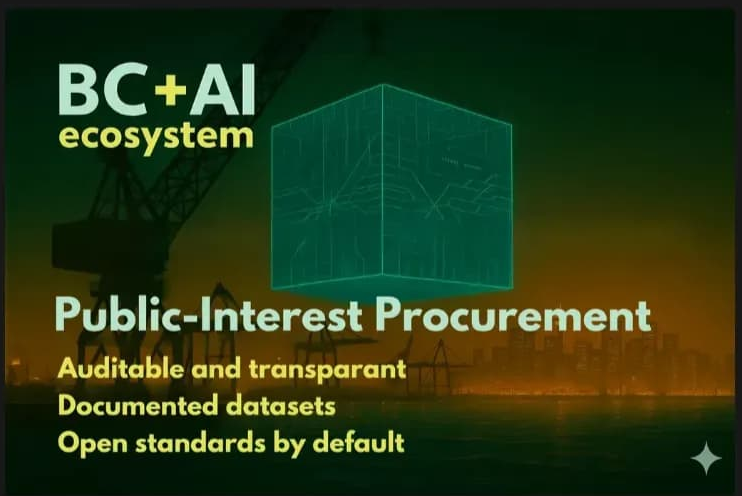
If public money is going into AI infrastructure, who governs access? If compute is sovereign, sovereign for whom? If “AI for All” includes skills, who gets paid time to learn and who is expected to train themselves after work? If the strategy celebrates adoption, what happens to the workers who are told the tool is here to “augment” them right before staffing plans quietly change? If the state is buying systems, what procurement rules make those systems auditable, explainable, and contestable?
And underneath all of that: who gets to speak for the public interest?
That question matters because policy vacuums do not stay empty. If communities do not organize, someone else will happily arrive with a deck, a logo, and a sentence beginning “Canadians believe…” Which Canadians, exactly? The ones with procurement teams? The ones in the training data? The ones downstream from the data centre? The ones whose creative work became “content” because the business model needed a softer word?
The Lab is starting to become a place where those questions can gather force.
Sovereignty Cannot Just Mean Bigger Machines
Canada is investing in sovereign AI compute, including the AI Sovereign Compute Infrastructure Program. BC should take that seriously. BC’s AI crossroads is no longer theoretical; it is showing up as land, power, water, procurement, skills, and political nerve. We have clean-energy advantages, serious technical talent, strong research institutions, a deep creative economy, and a civic culture that still knows how to convene weird rooms.
But sovereignty is not achieved by putting a maple leaf on the invoice.
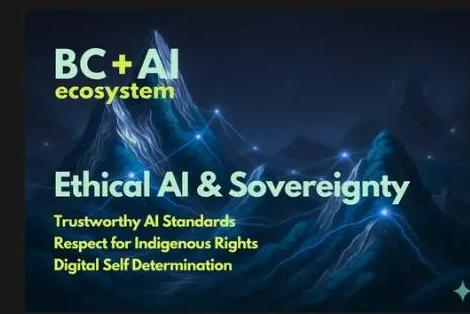
In Sovereign AI for Whom?, we asked the question that should sit beside every infrastructure announcement: who benefits, who governs, who gets access, and which communities carry the costs?
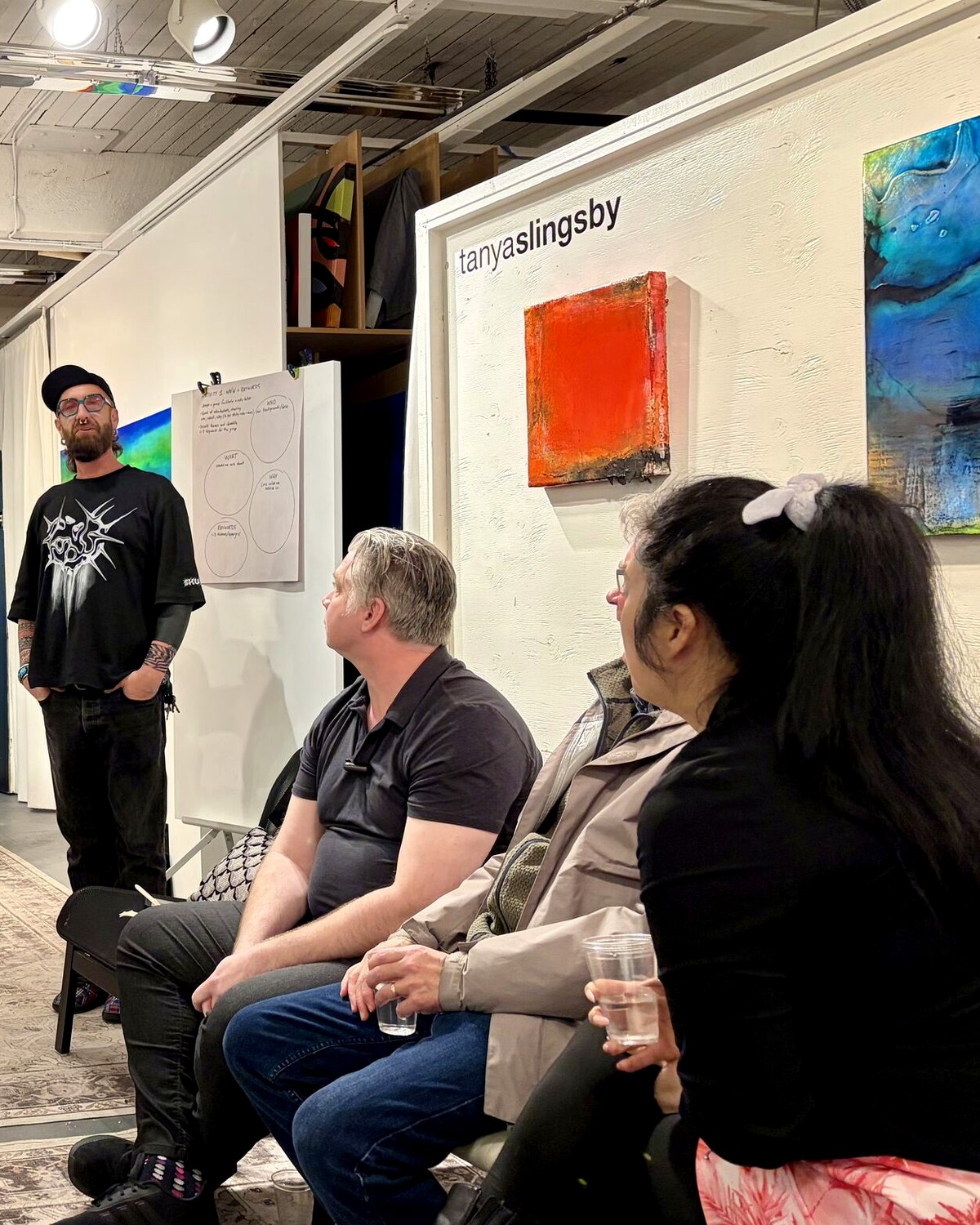
That question got more concrete at the Lab. Data centres are not abstractions. They are land use. They are water. They are power. They are heat. They are transmission capacity. They are community benefit agreements or the absence of them. They are Indigenous governance questions. They are climate questions wearing a hoodie. This is the same thread we pulled in Rocks, Racks & Rights: Canada’s Blueprint for the AI Energy Wars and Canadian Plan for Regenerative AI: compute policy is climate policy, industrial policy, and rights policy at the same time.
The same goes for data. Data sovereignty cannot simply mean Canadian-controlled commercial data. It has to include Indigenous data sovereignty, community consent, cultural protocols, public-interest access, and the right to say no. Otherwise, “sovereign AI” becomes a very expensive way to repeat old extraction patterns with better branding.
That is the part a room like the Lab can hold. Not because everyone agrees. They do not. Thank goodness. Agreement is overrated when the work is early. What matters is whether the disagreement is honest enough to become useful.
The Missing Layer Is Community Power
Federal strategy can set direction. It can move money. It can name priorities. It can signal seriousness.
What it cannot do by itself is create trust.
Trust is local. It is relational. It is earned in rooms where people can ask clumsy questions without being sold something. It is built when an artist can sit beside an engineer, a nonprofit leader can sit beside a founder, an educator can sit beside a policy person, and nobody has to pretend the tool is either salvation or doom.
The work is not convincing people to admire AI from a distance. The work is making sure communities have enough trust, language, and shared memory to shape what adoption becomes.
Kris Krüg, BC + AI
That is why the AI Ethical Futures Lab matters inside the wider BC + AI network. It is one of the places where the trust work underneath adoption gets done. The Lab is part scanner, part workshop, part commons, part notebook full of names and open loops. It helps us see what is coming through the federal pipeline, what communities are already feeling, and where BC has enough backbone and enough relationships to act before the decisions harden.
The model is already travelling beyond Vancouver. The CV + AI: Comox Valley AI Community Meetup showed the same delivery layer forming in a different regional context: local builders, educators, civic leaders, creatives, compute questions, and relationship-building in the room together. That is what “AI for All” looks like when it leaves the capital-letter strategy document and has to find a chair in a community hall.
BC + AI has been documenting this grassroots civic layer for years, from the early community-building story in DIY AI in Vancouver to the Data for Good keynote version of the origin story and the broader work gathered at kriskrug.co. The throughline is simple enough: do not wait for permission to build the public-interest layer. Start convening. Start documenting. Start making the invitation real.
That is also why BC + AI exists. Not to be the official voice of everyone. That would be weird, and also impossible. We are here to build enough shared infrastructure that more people can speak, learn, organize, prototype, challenge, and participate without needing to already know where the door is.
Where We Are Going
The next phase of the Lab should be more deliberate, and the national ask should be clearer.
We need a living map of organizations working on AI harms, literacy, culture, labour, data sovereignty, compute, procurement, education, climate, and public-interest use. We need clearer pathways for people who want to contribute but do not know whether their role is research, writing, facilitation, policy tracking, community outreach, or showing up with snacks and dangerous questions. We need to turn transcripts into briefs, briefs into public posts, public posts into relationships, and relationships into pressure that can move decisions.
So here is the fundable version: create a two-year $25 million pilot for a national network of regional AI-adoption intermediaries, with one accountable public-interest hub in each province and territory and cohort funding for SMEs, nonprofits, creators, educators, Indigenous partners, and local governments. The point is not to add another layer of bureaucracy. It is to fund the layer that already knows who is trusted, who is missing, which rooms are real, and where adoption will fail if it arrives as a generic federal program with a help desk.
Going direct to SMEs sounds efficient until you remember that adoption is not just software installation. It is workflow redesign, worker trust, data governance, procurement, accessibility, sector norms, cultural rights, and the confidence to ask basic questions without being sold a platform. Existing CDAP-style programs can move vouchers and advisory support. Regional intermediaries can do the slower trust work that turns those supports into actual capability.
We also need to stay allergic to the performance of seriousness. A lot of AI governance language has the texture of a hotel conference carpet. The words are technically present, but nobody wants to live there.
The Lab can do better. It can be warm, rigorous, funny, impatient, careful, and useful. It can hold the grief without getting soggy. It can hold the excitement without joining a parade. It can be one of the places where British Columbia learns to meet the AI transition with a spine.
Canada has put “AI for All” on the page.
Good.
Now the rest of us get to ask what that sentence costs, who it includes, and whether the people most affected by AI will be treated as partners in the future or as atmosphere around someone else’s strategy.
Join The Next AI Ethical Futures Lab
The AI Ethical Futures Lab meets monthly in Vancouver as part of the BC + AI community. The June gathering, AI Ethical Futures Lab #4, focused on federal AI strategy and community initiatives.
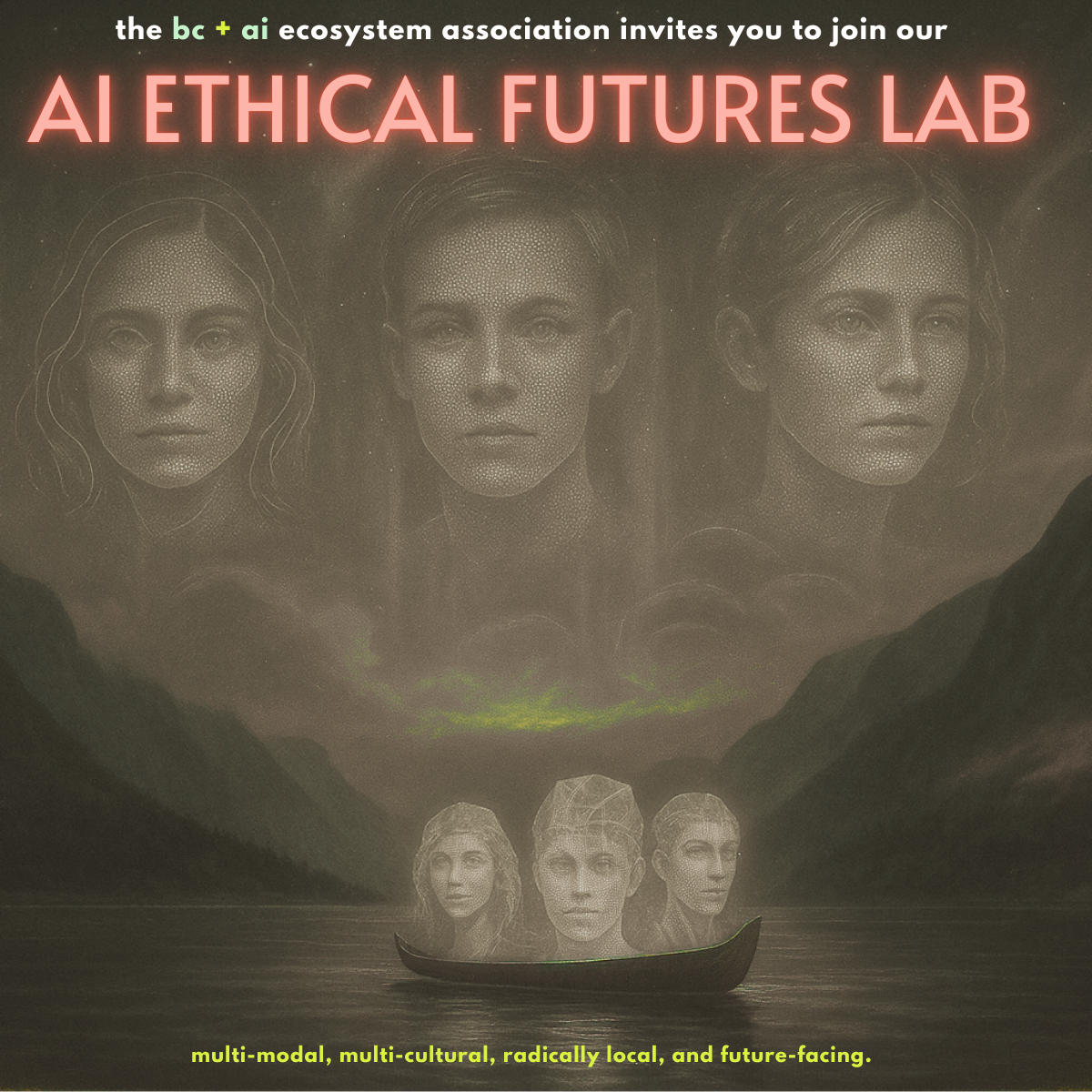
The next six Labs are now listed on the BC + AI Events page. We moved July one week later because July 1 is Canada Day; the next gathering is Wednesday, July 8, 2026 at Parker Street Studios.
- AI Ethical Futures Lab #5 – Wednesday, July 8, 2026
- AI Ethical Futures Lab #6 – Wednesday, August 5, 2026
- AI Ethical Futures Lab #7 – Wednesday, September 2, 2026
- AI Ethical Futures Lab #8 – Wednesday, October 7, 2026
- AI Ethical Futures Lab #9 – Wednesday, November 4, 2026
- AI Ethical Futures Lab #10 – Wednesday, December 2, 2026
If you are an artist, technologist, educator, researcher, organizer, policymaker, student, nonprofit person, founder, public servant, or simply someone with a functioning concern for the shape of the next few years, come sit with us.
No pitches required. No hype tax. Bring your questions, your receipts, your half-formed map of what needs defending, and whatever part of the future refuses to leave you alone.
How To Join BC + AI
You can start lightly: follow the AI Ethical Futures Lab, come to an event, read the notes, and get the free updates when something useful is happening.
If you want to help carry the work, become a BC + AI member. Membership keeps the rooms open, the notes moving, the working groups findable, and the public-interest infrastructure alive between the big obvious moments when everyone suddenly agrees it would have been nice to have trusted civic capacity already in place.
That matters because public-interest AI does not appear because decent people vaguely approve of it. It gets built by people who show up, keep receipts, share tools, argue carefully, and make the invitation big enough for the people usually left outside the room.
AI for all has to mean all of us. Otherwise it is just strategy theatre with better lighting.