BC’s Response to the Canada’s AI Task Force
BC + AI Executive Director Kris Krug reflects on BC’s participation in Canada’s AI Task Force consultation and what federal recognition could mean for the community that showed up.
Last year, 645 British Columbians participated in Canada’s AI Task Force consultation. That’s 20.6% of everyone who responded nationwide, second only to Ontario.
We showed up because we’re already building something that works. And when the Task Force expert reports came out, I did what I always do. I read them. All 32 reports. Not the summary, the actual documents.

That’s when things got interesting.
Buried in those expert reports, the ones most people will never read, are specific recommendations for Vancouver. Not vague references to “regional representation.” Specific, actionable proposals naming Vancouver as a strategic location for Canada’s AI infrastructure.
Three different Task Force experts independently recommended Vancouver for federal AI investment. And they weren’t being polite about geography. They were being specific about capability.
Let me show you what they said.
What the Experts Actually Said About BC
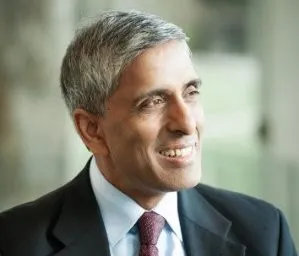
Let me tell you about Arvind Gupta‘s report on Research and Talent. He’s proposing a solution for application-oriented AI research that serves industry, government, and civil society. And right there in the text, he writes: “A hub-and-spoke approach may work best whereby a physical institute (say in Vancouver) builds links into the three existing institutes.”
Say in Vancouver.
Not “maybe someday.” Not “we should consider coastal representation.” He literally named Vancouver as the location for a fourth AI institute to complement Toronto, Montreal, and Edmonton.
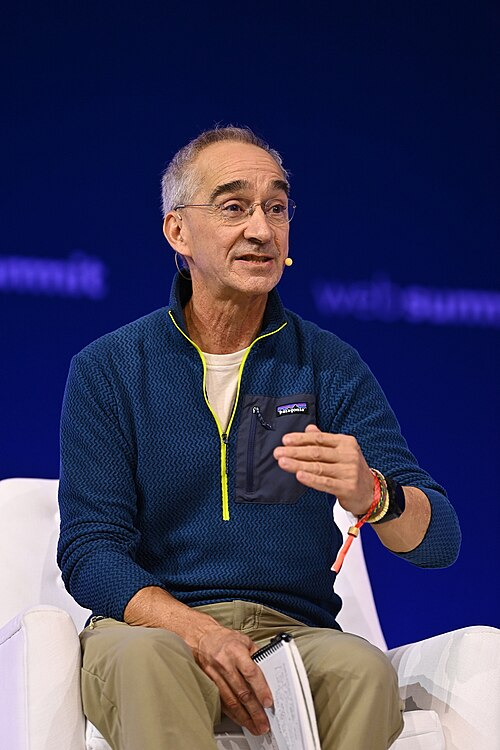
Then there’s Patrick Pichette, former Google CFO, guy who knows a thing or two about infrastructure, recommending in his Scaling report: “Focus quantum in Vancouver.”
He’s talking about regional specialization to create critical mass, and he sees Vancouver as Canada’s quantum hub. Why? Because we have 98% renewable energy from BC Hydro, and quantum computing is massively energy-intensive.
The clean energy advantage isn’t theoretical. It’s operational.
And Garth Gibson, in the Infrastructure report, explicitly names Vancouver alongside Waterloo and Halifax as a “leading community” that needs federal AI engineering support. He’s talking about expanding the reach of AI Institutes to where the talent already is.
These are concrete, expert-validated recommendations for how Canada can strengthen its AI strategy by including BC.
We’re Already Doing What They Recommended
Here’s what’s exciting: BC is already implementing a lot of what the Task Force recommended.
Take Indigenous governance. The Task Force talks about reconciliation, Indigenous data sovereignty, ethical AI development. That’s all good language. But at BC + AI, we’re not talking about it. We’re doing it. Carol Anne Hilton, CEO of the Indigenomics Institute, sits on our board as a Founding Director. Not as an advisor who gets consulted when we remember to. She has full governance authority, actual decision-making power over our strategic direction.
That makes us the only AI ecosystem in Canada with Indigenous leadership at the governance level, implementing OCAP principles (Ownership, Control, Access, Possession) for Indigenous data. Federal strategy emphasizes this in theory. We’re demonstrating it in practice.
Or look at the community-driven model. We’ve trained over 200 practitioners across journalism, healthcare, education, legal, and creative sectors with 75-100% completion rates. That’s not a typo. The industry standard for online AI training is 5-15% completion. We’re hitting 75-100% because people actually want what we’re teaching, delivered in a way that respects their intelligence and their work.
And the Task Force noticed. Diane Gutiw‘s Research and Talent report cites Innovation BC‘s Integrated Marketplace as a “proven model” for national scaling. She points to Vancouver’s FIFA 2026 digital twin project as successful industry collaboration. Her report talks about the need for talent matching infrastructure, connecting researchers with practitioners, academic work with business needs.
That’s what we do. Every month at our meetups with 250+ people. Through our training programs with 75-100% completion rates. Across our community of 2,000+ practitioners spanning journalism, healthcare, education, legal, and creative work. It’s grassroots updraft. And the federal experts see it working.
This isn’t theoretical. We’re demonstrating what deployment-focused AI looks like at scale. Which brings me to what this means for Canada.
What Canada Gains from Four Pillars
Canada’s three existing AI institutes, Vector in Toronto, Mila in Montreal, Amii in Edmonton, are excellent. They do world-class research. Nobody’s proposing competition with them.
But here’s the opportunity: they’re research-focused. BC’s strength is deployment.
The Task Force experts see this. David Naylor‘s Education and Skills report explicitly recommends: “The primary focus of further federal AI investments intersecting the PSE sector should be deployment and applications.”
That’s what we’ve built. A deployment engine that serves sectors research labs don’t typically reach: journalism, healthcare, education, legal, creative work. We’ve trained 100+ practitioners with 75-100% completion rates because people actually want what we’re teaching.
Arvind Gupta proposed a “hub-and-spoke” model where Vancouver connects to the existing three institutes. That’s complementary infrastructure, not competition. Toronto excels at research and enterprise partnerships. Montreal leads in gaming and pharmaceutical AI. Edmonton drives energy sector applications.
Vancouver brings deployment, Indigenous governance, clean energy, and Pacific positioning.
Canada benefits from all four, not just three. That’s the opportunity the expert reports identified.
What BC Brings That Others Don’t
Let me be specific about what a fourth pillar in Vancouver would add to Canada’s AI capacity:
Indigenous-led governance. Not advisory. Actual decision-making authority at the board level. Carol Anne’s leadership means AI development here happens with Indigenous oversight from day one, not retrofitted later when someone remembers reconciliation commitments.
Clean energy infrastructure. BC Hydro‘s 98% renewable grid makes us the only province in Canada that can credibly claim “clean AI” without greenwashing. With AI projected to consume 1.7 trillion gallons of water by 2027, and 36 Indigenous nations in Canada still lacking clean drinking water, this isn’t just environmental. It’s ethical.
https://www.youtube.com/watch?v=UzJfMJzkFwc&t=3s
Pacific gateway positioning. Toronto connects to the US East Coast. Montreal connects to Europe. Vancouver connects to Asia-Pacific. The federal government has an Indo-Pacific Strategy. We’re the only major Canadian AI hub on the Pacific coast. Geography matters.
Community-driven, not corporate-driven. We’re a nonprofit with 2,000+ contributors, governed democratically, focused on democratizing AI access rather than maximizing returns for shareholders. That’s a policy choice federal strategy should enable, not accidentally exclude.
Research excellence. Gail Murphy, UBC‘s VP Research & Innovation, served on the Task Force. UBC’s Master of Data Science program is cited in the reports as a national model alongside UofT and UdeM. UBC’s research excellence deserves federal AI investment comparable to what Vector and Mila receive.
These aren’t things we’re promising to build if we get funding. These are things we’ve already built and are operating right now.
What We’re Offering
Here’s what we’re ready to do.
BC + AI is ready to be an implementation partner for federal AI strategy. We can convene academic, Indigenous, municipal, provincial, and federal stakeholders to explore what a fourth AI institute in Vancouver could look like.
We can pilot community-driven AI governance models that other provinces could adapt. We can build Pacific partnerships that align with federal Indo-Pacific Strategy priorities. We can deploy clean sovereign compute infrastructure that actually uses renewable energy instead of just offsetting carbon.
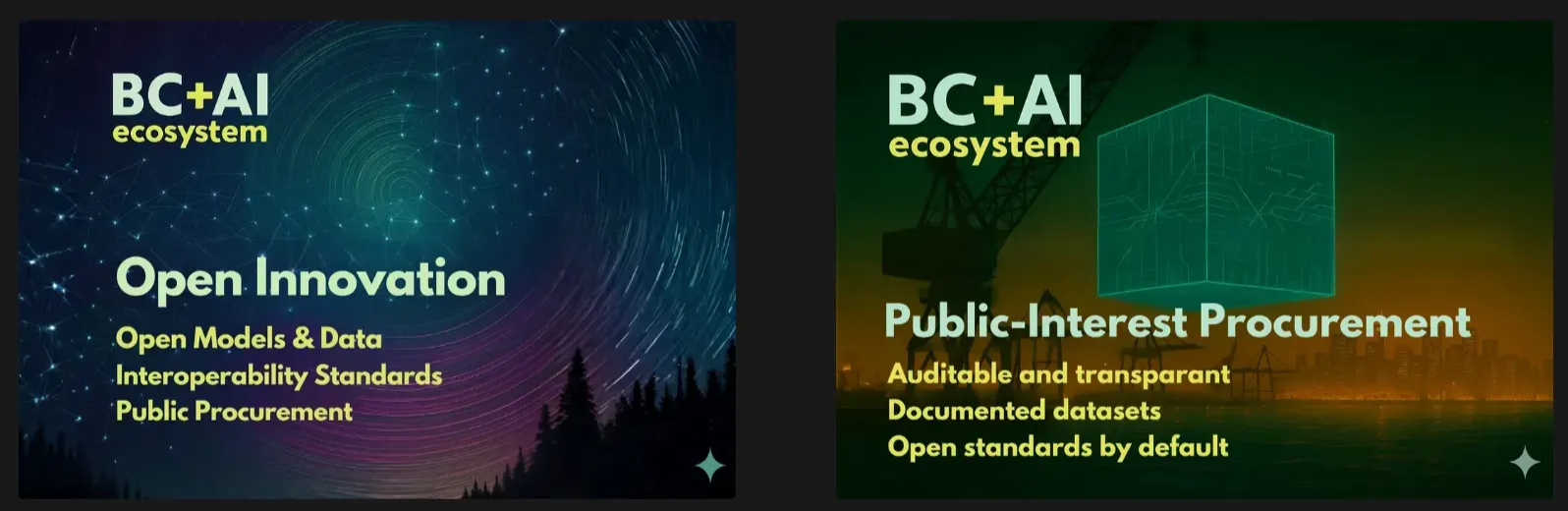
We can do this because we’re already doing versions of it. We just need federal recognition and investment that reflects the 645 people who participated in consultation, the expert recommendations already made for Vancouver, and the community we’ve built.
Arvind Gupta proposed a “hub-and-spoke” model where a Vancouver institute links to the three existing centres. That’s not competitive. That’s complementary. Toronto excels at research and enterprise partnerships. Montreal leads in gaming and pharmaceutical AI. Edmonton drives energy sector applications. Vancouver brings deployment, Indigenous governance, clean energy, and Pacific positioning.
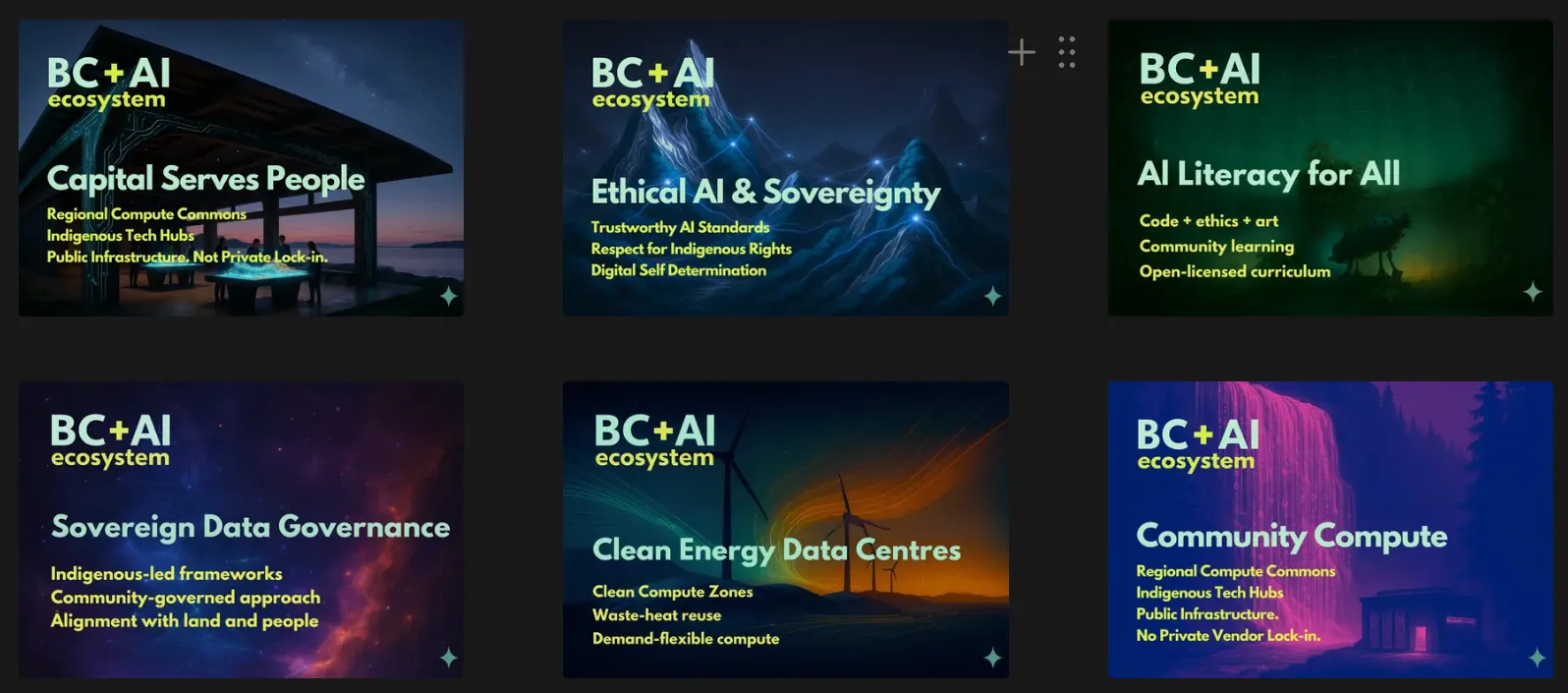
Canada benefits from all four, not just three.
What You Can Do (If You’re Reading This in BC)
Federal AI strategy is still being implemented. There’s time for BC to secure recognition before final decisions are locked in.
If you participated in the Task Force consultation, contact your MP. Tell them you were one of the 645 British Columbians who responded, and you want to see BC recognized in the federal strategy.
If you’re part of the BC + AI community, one of the 2,000+ participants, one of the 200+ people we’ve trained, one of the practitioners who’s using AI in your daily work, share your transformation story. Federal government needs to hear that this isn’t hypothetical. Real people, real work, real impact.
If you work at UBC or SFU, talk to your colleagues about research funding parity. Gail Murphy served on the Task Force. UBC’s programs are cited as national models. Advocate for federal AI investment parity for BC research institutions.
If you’re Indigenous leadership or work in Indigenous communities, speak to what Indigenous governance in AI actually looks like.
And if you’re just someone who thinks BC deserves better, share this. Use #BCDeservesBetter. Tag your MP. Make noise.
The Bottom Line
BC has built something that works. Indigenous governance at the board level. Training completion rates that are 5-15x industry standard. A community of practitioners building and using AI in their daily work. Clean energy infrastructure that makes “sustainable AI” real, not rhetorical.
The Task Force experts saw it. Arvind Gupta recommended Vancouver for a fourth AI institute. Patrick Pichette identified Vancouver for quantum infrastructure because of our renewable energy advantage. Garth Gibson named Vancouver as a leading community needing federal support.
We’re not asking for charity. We’re demonstrating capability and offering to scale it nationally.
Federal AI strategy can invest in what BC has already proven works, strengthening Canada’s AI capacity from coast to coast. That’s the offer on the table.
645 British Columbians participated in federal AI consultation because they believe in Canada’s AI future. We showed up. We engaged. We built something real.
Now it’s about whether federal strategy recognizes what’s already working and helps scale it.
We’re here. We’re building. And we’re ready to be the fourth pillar. Not competing with Toronto, Montreal, and Edmonton, but complementing them.
That’s what partnership looks like. Let’s make it happen.
Kris Krug is Executive Director of BC + AI Ecosystem Association, a nonprofit society advancing responsible AI adoption across British Columbia. With 2,000+ members, Indigenous board-level governance, and documented training completion rates of 75-100%, BC + AI demonstrates community-driven AI deployment at scale.
This reflects my personal perspective as Executive Director, informed by three years of building BC + AI alongside an incredible community. If you disagree, want to add your voice, or have ideas for how we move forward together pls reach out. We’re in this canoe together.\**
Related news