When Trees Talk Back: Vancouver AI Community Meetup September 2025 #VAI21
The Space Between Worlds
September 24, HR MacMillan Space Centre. 200 BFFs packed into a planetarium while elsewhere UBC running 2025 Immersion Week, All In AI Event happening in Montreal, sovereign AI conversations spinning up across Canada.
Download Transcript
Download Recap
We gathered to talk about something most tech conferences won’t touch: who gets to decide how Indigenous knowledge enters AI systems, and what happens when you actually ask permission first.
The room smelled like possibility and tension. Good tension. The kind that means people give a shit.
This wasn’t another meetup where someone demos the latest model and everyone claps. This was 21 consecutive months of building community infrastructure hitting a moment where the questions got harder and the answers got honest.
Michelle Diamond was making photos. Victor Serbin and Kevin Friel had the video rig running. Roz, Zaro, Schwartzman, Alex (the crew that keeps this ship tight while I hold it loose) made sure bodies had space, sound worked, and nobody got lost looking for the bathroom.
I opened simple: “This is as much for the AI expert as the AI curious. The thing about this tech is it affects our moms and our grandmas as much as it affects us.” Then I shut up and let the room teach me.
https://podcasts.apple.com/ca/podcast/vancouver-ai-pods/id1700115918
Jonny Williams (Squamish Nation)
Jonny Williams walked to the front and sang.
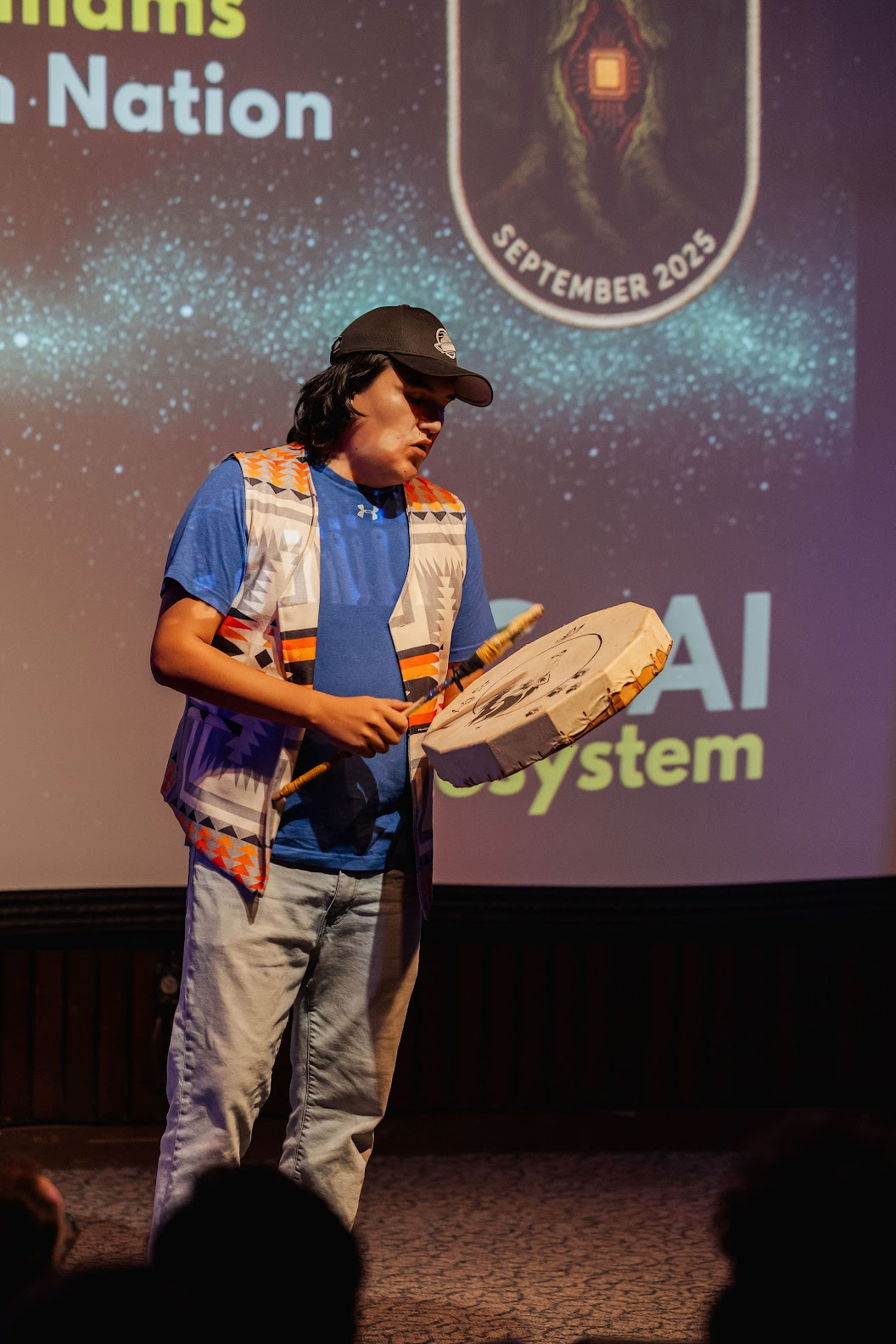
Not performed. Sang. A traditional chief song with weight behind every note. The kind of cultural transmission that predates every tech stack in the room by centuries.
When he finished, he didn’t transition to a slide deck. He just started talking about his work.
“AI allowed me to go from being a document parser to being a cultural advisor.”
Here’s the context you need: Jonnny works cultural consultation for Squamish Nation. That means when development projects happen on unceded territory, he’s in the room making sure Squamish perspectives and protocols are heard. But the paperwork is crushing. 200-page environmental impact assessments, legal briefs, technical reports designed to bury the truth in jargon.
AI tools let him parse those documents fast. Extract the sections that matter. Identify where developers are playing word games or hiding ecological damage in footnotes. That efficiency shift isn’t about productivity theater. It’s about survival.
Because here’s the other number that matters: 10 traditional Squamish speakers remain. The elders who hold the language in its deepest form. Then roughly 60-70 new generation speakers like jonny, fighting to keep it alive while navigating a world designed to erase them.
Jonny’s currently running for Squamish Nation Council. This isn’t side-hustle activism. This is full-spectrum cultural preservation work where AI is one tool among many, and the stakes are language death versus language survival.
The questions jonny raises aren’t abstract: If he trains an AI on Squamish language materials, who owns that model? If that model helps preserve the language but gets bought by a corporation, what happens? If younger speakers use AI assistance to learn, are they learning the language or learning an approximation?
No easy answers. Just jonny doing the work while the questions clarify.
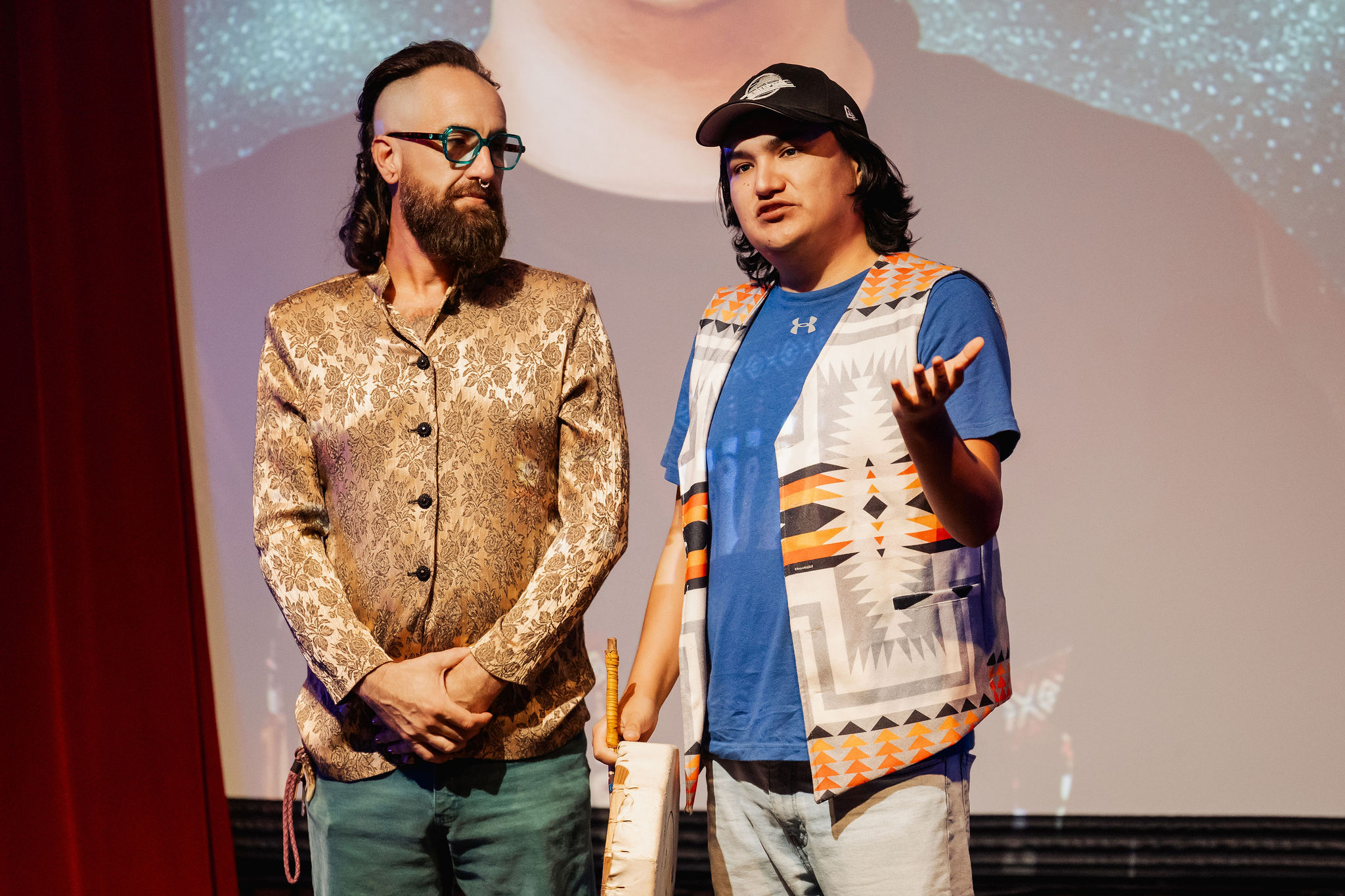
“Everything on this earth is together,” he said. “What happens out there is gonna happen to us in our bodies too.”
Ecology as epistemology. The land teaches before the algorithm does.
DIGITAL WISDOM FROM JAPAN: Dave “Uncleweed” Olson
Dave Olson couldn’t make it in person (he’s in Japan) so he sent a video message that hit harder than half the keynotes I’ve seen at conferences with $5 million budgets.
https://www.youtube.com/watch?v=cWiAGh1pNMU
25 years as a digital archivist. Lived through every wave of tech promising to “democratize” knowledge while actually centralizing control. Survived the format wars, the platform consolidations, the death of a thousand startups that swore they’d last forever.
Uncle Weed’s three principles for AI development:
1. Gather stories with interestingness: Not engagement metrics. Not virality. Interestingness. The stuff that makes you lean forward. The conversations that stick. The moments that matter even if they don’t scale.
2. Always be archiving: Memory is infrastructure. If you’re not documenting, you’re letting future generations start from zero. Every conversation, every experiment, every failure: capture it. Not for surveillance. For continuity.
3. Always be kind: “You never know who you’re gonna meet on your journey. This includes feeding your robots endless goodness.”
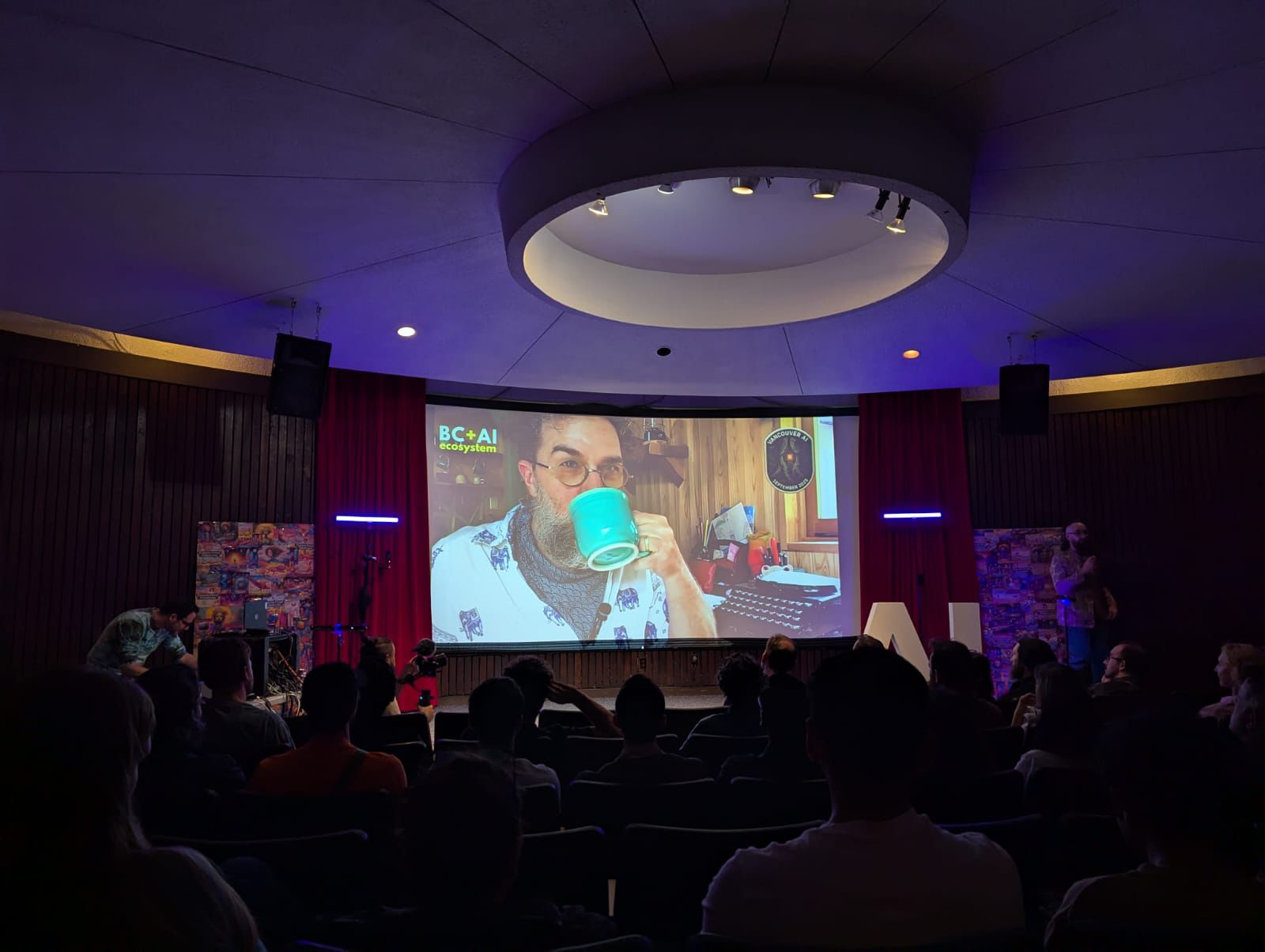
That last line killed me. Teaching AI empathy isn’t about making chatbots say “I understand how you feel.” It’s about the training data we feed these systems. What stories we choose, what voices we center, what version of humanity we’re encoding into the weights and biases.
Dave’s been doing this work since most people in the room were learning to walk. The elder energy via video screen. Respect.
KEYNOTE: Manuel Axel Strain (Forests That Talk Back)
Then Manuel Axel Strain took the mic and proposed something that’ll make most AI conferences deeply uncomfortable: Building AI systems so forests can tell us what they need.
Not biomimicry. Not nature-inspired optimization algorithms. Actual communication interfaces between human systems and plant networks.
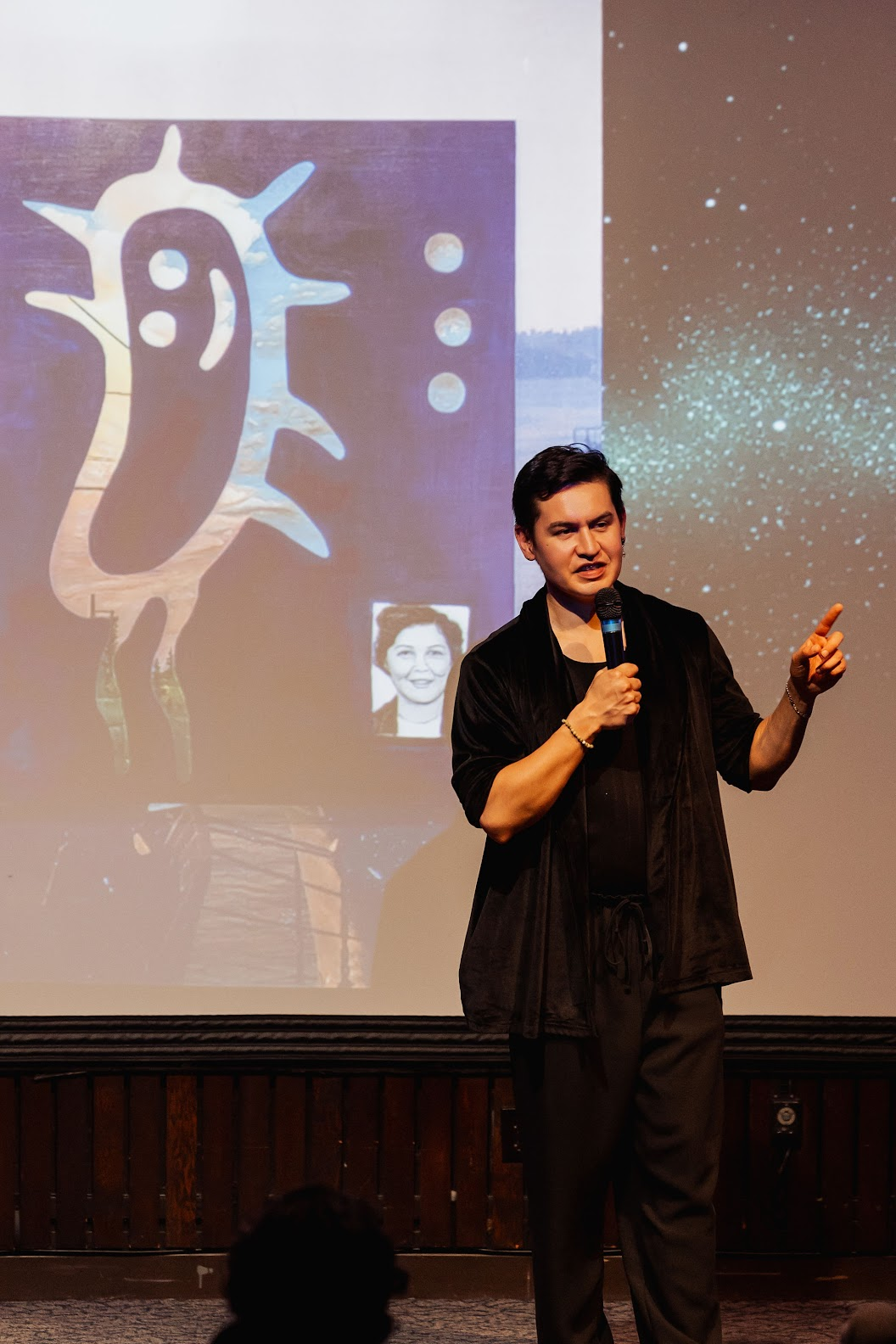
Manny’s an artist, which means he’s been asking impossible questions long enough that some of them start looking possible. He showed us his work:
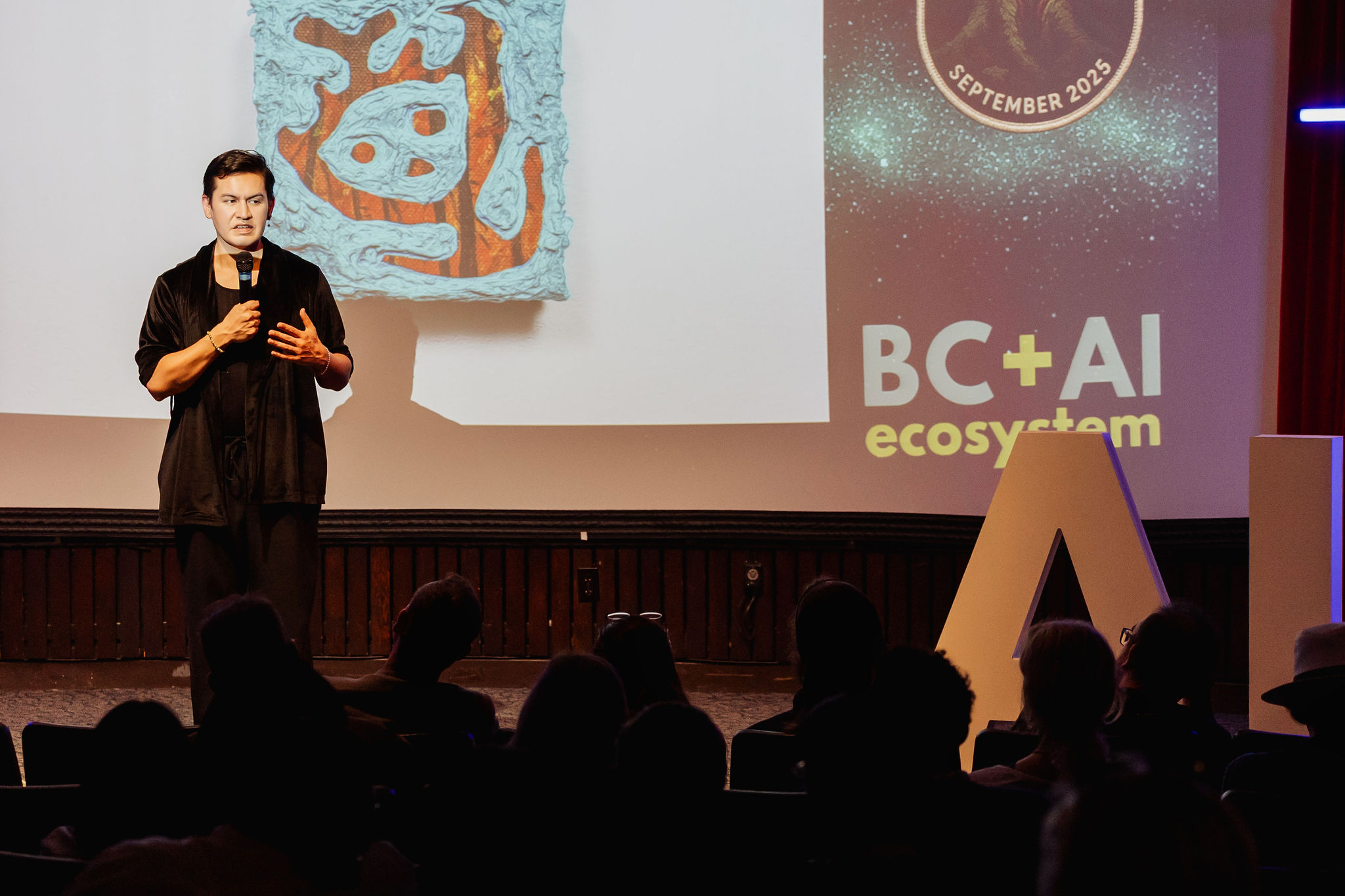
Paclitaxel installations: visual explorations of the chemotherapy compound derived from Pacific yew trees. The medicine that saves human lives extracted from forests we’re clearcut logging. The irony rendered in gallery space.
“Lithium Over a Forest Fire”: a piece connecting ecological crisis with mental health crisis. The same extraction economics that strip-mine forests for profit also optimize humans for productivity until we break. The fires burn in multiple directions.
Mycelium network visualizations: AI-generated imagery showing how fungal networks connect trees underground, with ancestral and genealogical threads woven through. The forest as communication system. The forest as memory storage. The forest as protocol that predates TCP/IP by 400 million years.
Then he got technical.
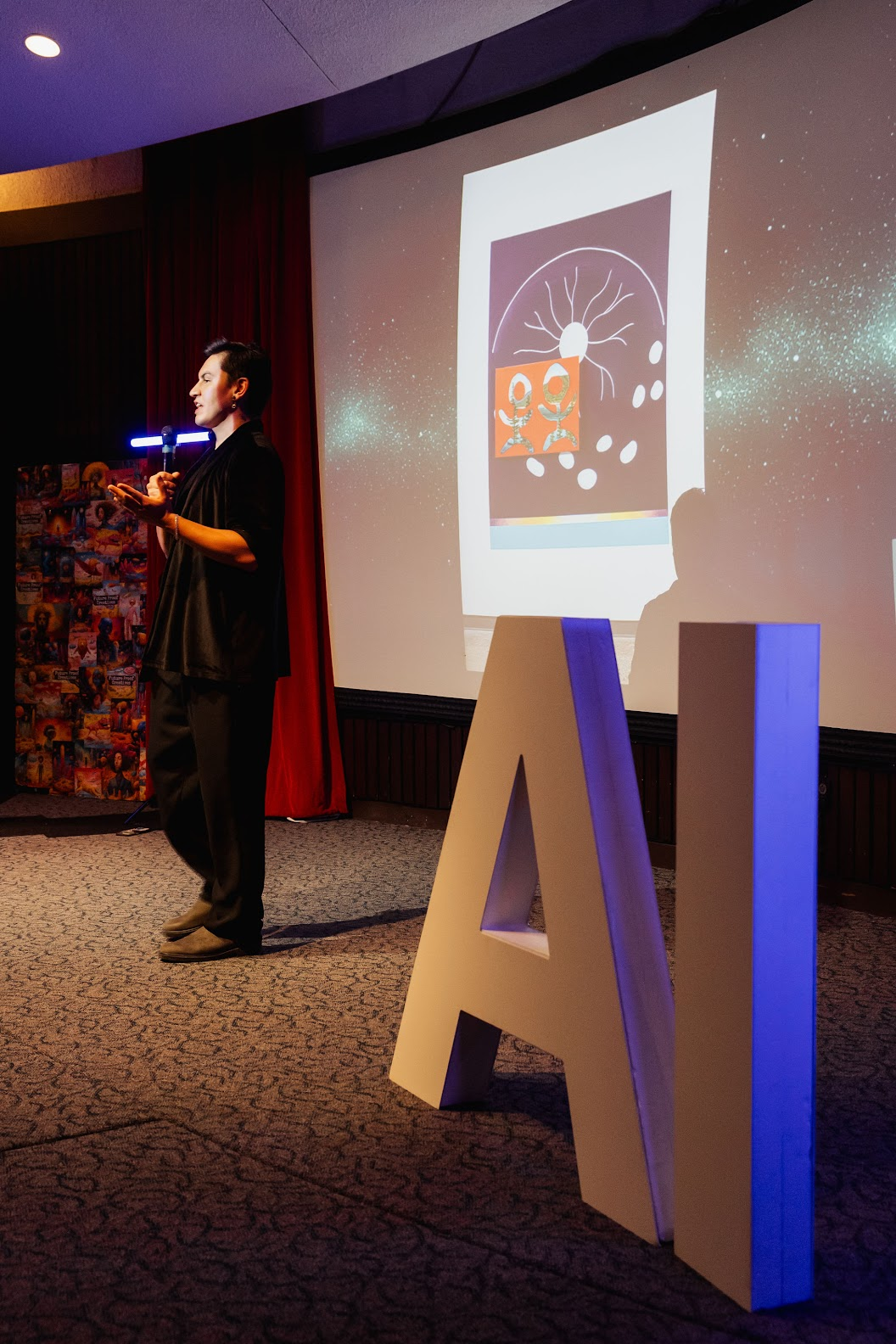
Working with Will (a puzzler/technologist who loves impossible problems) they’re building a taxonomy that spans 9+ scientific fields studying plant communication. Bioacoustics. Chemical signaling. Electrical potentials. Root networks. Volatile organic compounds. Mycorrhizal information exchange.
The vision: non-invasive sensors that can read these signals. Interpretation systems that can translate them. Feedback mechanisms so humans can respond to what forests are actually saying instead of what we assume they need.
Indigenous knowledge provides the foundation. Cultures that have maintained relationships with plant intelligence for thousands of years. The science is catching up to what elders already know: plants communicate, they remember, they respond, they teach.
“Everything on this earth is together,” Manny said, echoing jonny’s framing. “What happens out there is gonna happen to us in our bodies too.”
His dad was in the room too. When Manny got deep into the plant communication theory, his dad shouted from the audience:
“That tree’s just gonna tell you to fuck off!”
Room exploded. Perfect comedic timing. Also maybe true. If we’ve been clearcut logging forests for centuries, first contact might not be friendly.
But here’s where it gets real: Manny and Will need sensor technology experts. They need funding. They need partnerships across disciplines. They need the kind of collaboration that doesn’t fit neatly into grant applications or VC pitch decks.
This is infrastructure work for ecological regeneration. Revolutionary if built with proper protocol and Indigenous leadership. Extractive as hell if it becomes another way to monetize traditional knowledge without consent or compensation.
The room held that tension. No one pretended it was simple.
THE PROTOCOL CONVERSATION
After the presentations, we opened it up.
The question that emerged (the one that makes most AI conferences squirm and change the subject) is this:
What are the protocols for sharing traditional knowledge when building AI systems? Who decides? Who benefits?
Not “responsible AI guidelines.” Not “ethics frameworks.”
Protocol. The actual rules. The consent mechanisms. The decision-making structures. The benefit-sharing agreements.
UNDRIP (United Nations Declaration on the Rights of Indigenous Peoples) provides legal framework. But implementation? That’s where rubber meets unceded road.
The room included Indigenous speakers, policy researchers, engineers, artists, students, founders. The conversation stayed honest:
Someone asked: If we don’t participate in AI development, won’t traditional knowledge get scraped and used anyway without consent?
Someone else countered: If we do participate, how do we prevent it from becoming just another extraction process with better PR?
A third voice: What if the choice isn’t binary? What if there are ways to build that center Indigenous sovereignty from the start?
No easy answers emerged. That’s the point.
In Silicon Valley, the default is “move fast and break things” then “ask forgiveness not permission.” That approach doesn’t survive first contact with communities who’ve watched 150 years of “innovation” function as theft with better marketing.
Vancouver’s geography forces different questions. We’re on unceded territories (legally, not metaphorically). Musqueam, Squamish, and Tsleil-Waututh Nations never ceded their land. Every building, every startup, every tech campus operates on territory where sovereignty questions remain unresolved.
That changes what you can get away with. When the communities who invented complex ecological governance systems are your literal neighbors, “disruption” stops sounding innovative. It sounds like what it is: violence with a cap table.
The room held that tension productively. No one performed wokeness. No one virtue-signaled. Just people trying to figure out how to build differently because the old ways demonstrably don’t work.
COMMUNITY INFRASTRUCTURE UPDATES
Between the big conversations, we handled the practical work of keeping community infrastructure alive.
BC AI Discord Launch

Gabe Zaro stepped up to announce the new BC AI Discord. Zaro’s built 52,000+ member community servers for EA Sports. He knows the difference between a Discord that dies in three weeks and one that becomes actual infrastructure.
The BC + AI Discord includes:
- Custom onboarding that filters channels by interest (no one needs to see everything)
- Matchmaking systems for founders, investors, collaborators
- Permanent links for long-term knowledge building (not ephemeral Slack BS)
- Voice and video capabilities for subgroups
- Actual architecture, not just “let’s make a server and see what happens”
This matters because community isn’t just monthly meetups. It’s the connective tissue between gatherings. The ongoing collaborations. The DMs that turn into partnerships. The Discord is infrastructure for that.
Data Story Hackathon Round 4
We announced the fourth round of our Data Story Hackathon series, sponsored by Rival Technologies.
The dataset: music preferences from 1,000 Canadians. The prize: $2,500 plus exclusive winner’s dinner. The deadline: October 15.
Previous winners: Dean Shev, Matt Sinclair, Sev Geraskin. People who shipped actual work, not just concepts.
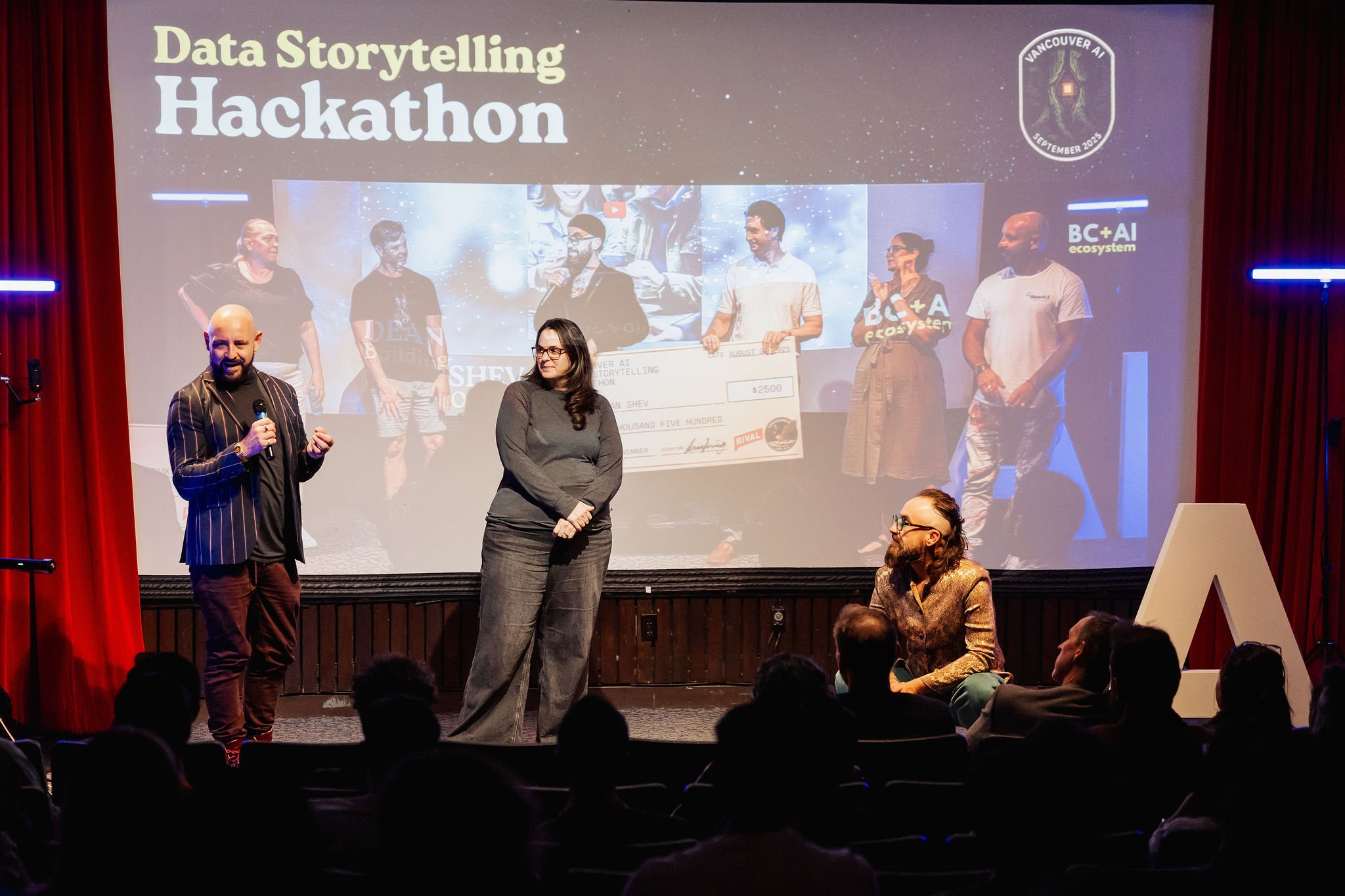
The hackathon model works because it’s not about building startups. It’s about data storytelling: using visualization, analysis, and narrative to make datasets reveal something true. That skill transfers everywhere.
AI Film Meetup Takeover
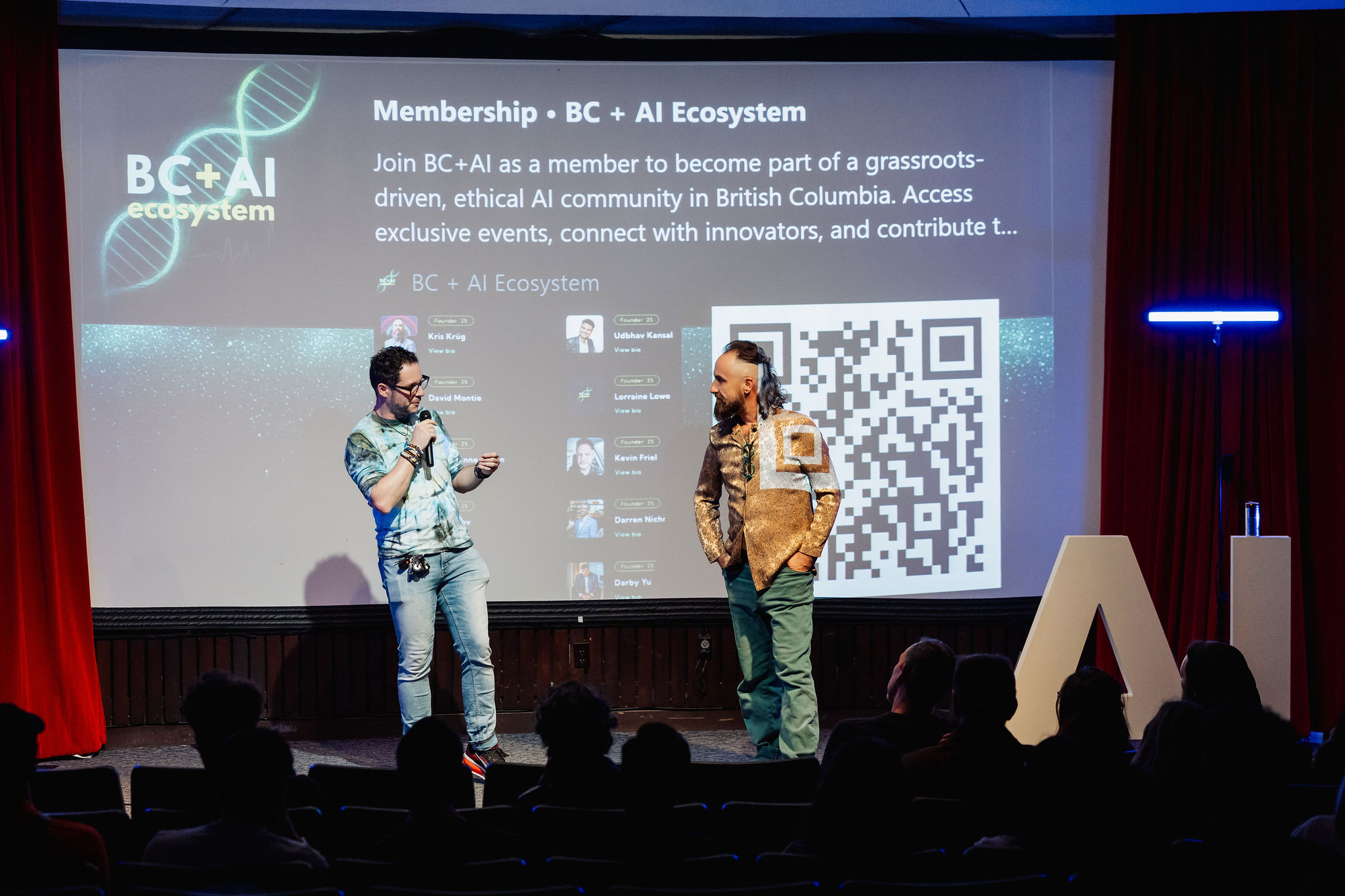
Kevin Friel AKA Mister Pixel Wizard AKA The Prompt Goblin announced the AI Film meetup takeover happening October 29.
Nearly 100 members already in the BC + AI Ecosystem Association Founding Members Circle. Timing syncs with Vancouver International Film Festival. VFX practitioners from Dune and Avatar confirmed they’re attending.
This isn’t “AI will replace filmmakers” panic. This is “how do people who understand cinematic language use these tools to make better work” exploration.
RECOGNITION & WINS
METACREATION Lab Success
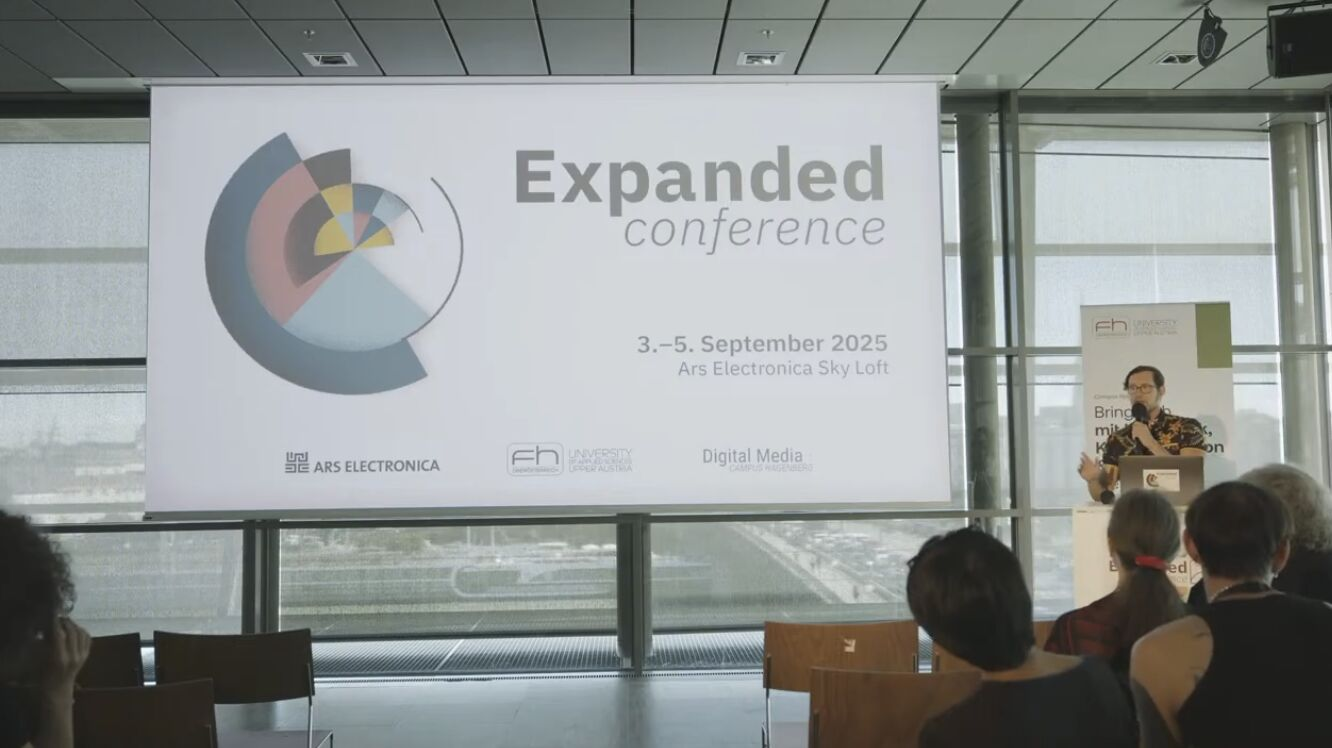
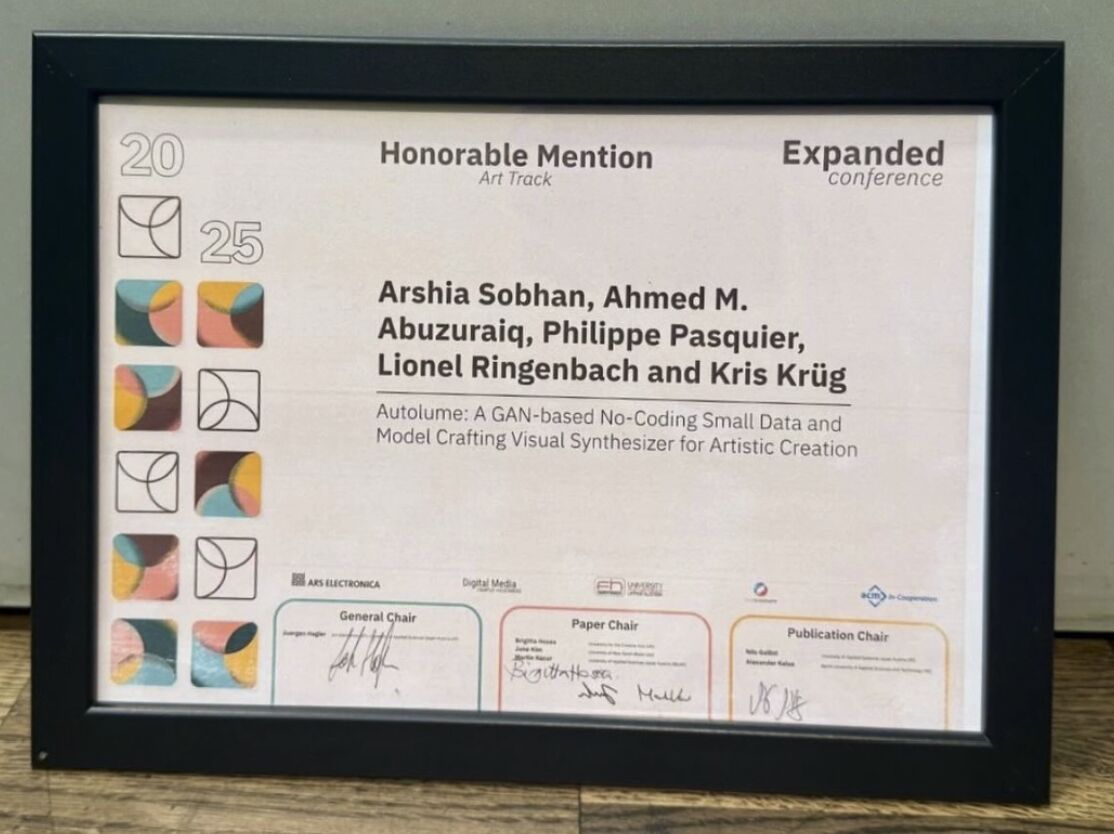
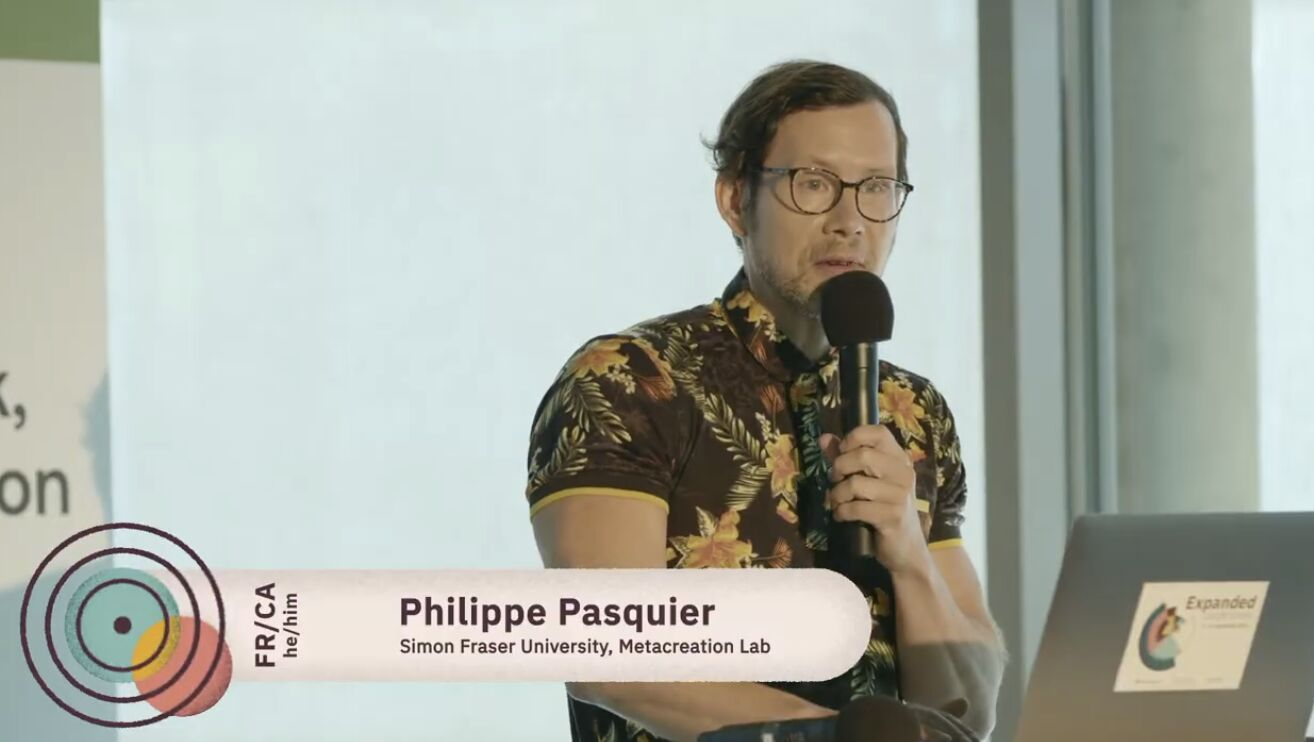
Philippe Pasquier’s team at SFU’s METACREATION Lab took 2nd place at Ars Electronica in Linz.

The paper: ethical AI art generation using GANs. Co-authored with community members who’ve been showing up to these meetups, contributing to projects, building in public.
https://www.youtube.com/watch?v=mNVlnQ5Nkpw&t=2158s
This is proof: local work competes globally when you build for substance over the longterm respect to Philippe and Lionel and Arishia and Ahmed and the whole METACREATION Research Team.

ByteDance Community Partnership
We mentioned ByteDance’s community sponsorship developing. November hackathon incoming, focused on video and photo generation. Building on the success of the Rival Technologies model.
International sponsors noticing Vancouver because the community infrastructure is real. That’s the flywheel.
Mind AI & Consciousness (MAC) Group

Dani repped the Mind AI & Consciousness group “We gather monthly at the intersection of consciousness and AI. Sometimes philosophical, sometimes cutting-edge science. Always deep.”
Last session: Suzanne Gilbert on quantum computers and consciousness. Her theory splits the brain into programmatic machinery versus quantum agency. She’s testing if quantum computers could give robots actual consciousness.
“It was mind blowing,” Dani said. “Like, is reality even real?”
The group tackles hard questions without clean answers. 100+ members. Deep dives capped at 20. Mandatory pre-reading. Pop quiz energy at the door.
Next session October 16: “Is AI a Philosophical Zombie?”
https://luma.com/MACdeepdive006
Dani’s a designer, not a scientist, but shows up because the conversations push thinking. The group wants diversity, not just experts. You need to do the readings and engage. Accountability through peer pressure. The kind that makes you level up or admit you skipped homework.
THE CREW THAT MAKES IT WORK
None of this happens without the invisible labor.
Friel coordinating our army of production robots
Zaro managing the Discord architecture.
MAC crew facilitating the philosophy sessions.
Schwartzman handling registration and space setup.
Michelle Diamond shooting photography that doesn’t just document but captures the actual energy.
Viktor Serbin running video that archives community evolution.
Sponsors matter too:
- SEGEV Law providing startup legal support
- Sons of Vancouver Distillery providing cocktails an community infrastrucutre.
- 221A artist organization working on Fair Data initiatives
No rockstars. No heroes. Just people doing work because the work matters.
That’s how you run 21 consecutive monthly meetups without burning out. Distributed labor. Shared ownership. Loose grip, tight ship.
WHY VANCOUVER BUILDS DIFFERENT
Here’s the geographic reality that shapes everything:
We’re on unceded territories. Musqueam, Squamish, Tsleil-Waututh. That’s not a land acknowledgment checkbox. That’s legal fact with ongoing implications.
BC Supreme Court rulings have affirmed Indigenous sovereignty in ways that matter for tech development. You can’t just build and apologize later. You can’t scrape traditional knowledge and call it open source. You can’t ship surveillance capitalism tools and call it community building.
The Nations who are our neighbors understand extraction intimately. 150 years of “progress” and “innovation” used as cover for resource theft. Pattern recognition is sharp.
That filters everything. The startups that survive here are the ones that figure out how to build with protocol baked in from the start. The ones that die are the ones that try to import Silicon Valley playbooks without adaptation.
You can’t move fast and break things when breaking things means breaking people. When the communities who invented complex ecological governance systems are watching your pitch deck, “disruption” sounds like what it is.
This isn’t virtue signaling. This is practical survival strategy. Build with accountability or don’t build at all. What dies fast here: thought leader theater, ethics-washing, innovation speak without substance, “fake it till you make it” founder energy.
What survives: actual collaboration, resource sharing, honest questions held collectively, long-term thinking, protocol before product.
We’re not trying to be San Francisco. We’re trying to be something San Francisco can’t: accountable to place, grounded in territory, building for communities that exist in more than just market demographics.
WHAT’S NEXT
October 29: AI Film meetup takeover at HR MacMillan Space Centre.
Ongoing: Surrey AI Community Meetup continuing monthly.
Education + AI gathering October 9 at Ethos Labs. Vancouver AI at Northeastern October 18 with privacy focus. MAC philosophy session October 16.
Data Story Hackathon deadline October 15. Get your submissions in.
https://github.com/WalksWithASwagger/vanai-hackathon-004
This is 21 consecutive months of community building. The infrastructure is real. The relationships compound. The work continues Monday morning, not just Wednesday nights.
THE CLOSING TRUTH
200 people showed up not for hype but for hard questions.
– Jonny Williams using AI to preserve language while 10 traditional speakers remain and he runs for Council.
– Manuel Axel Strain building forest communication systems that could reshape ecological work or become another extraction vector depending on how it’s built.
– Dave Olson teaching us to feed our robots endless goodness because the training data we choose now shapes the intelligence we live with later.
The photos Michelle shot aren’t marketing. They’re archival work. Dave Olson’s principle in action: always be archiving.
https://photos.app.goo.gl/g5SYKatYKg1fmQX28
The conversations we had about protocol and ownership and consent aren’t sidebar ethics discussions. They’re foundational architecture questions. Get them wrong and everything built on top is compromised.
Vancouver’s AI scene isn’t waiting for permission from Silicon Valley. We’re not copying their playbooks. We’re building for place, not scale. For communities, not markets. For long-term accountability, not short-term exits.
The work is the work is the work.
Next meetup’s already in motion. See you October 29.
Now get back to building.
Brain Slurp
SUMMARY
Kris Krüg hosts Meetup #21 with Jonnny Williams, Dave Olson, hackathon organizers, MAC group, and artist Manuel Axel Strain discussing AI, Indigenous knowledge, community building.
IDEAS
- AI community can honor Indigenous ceremony, aligning technical exploration with cultural respect and shared values together.
- jonny Williams uses AI to parse massive OCP documents, elevating role from researcher to cultural advisor.
- Language revitalization intertwines with technology; AI supports Squamish speakers navigating documents, presentations, and political campaigning effectively.
- Meetups broaden AI narratives beyond Silicon Valley aesthetics, centering local creators, archivists, and community-driven experimentation locally.
- Archiving is activism; documenting meetups through podcasts benefits shut-ins and preserves institutional memory with kindness practices.
- Hackathons using real survey datasets catalyze learning, portfolio-building, dinner-table connections, and job differentiation beyond standardized resumes.
- Music-themed datasets invite playful analysis of taste, discovery, identity, and generative interfaces blending art with research.
- MAC subgroup requires readings, fostering rigor while debating consciousness, agency, philosophical zombies, and tests indicating sentience.
- Community matchmaking via Discord onboarding, roles, and forum permalinks organizes knowledge, reduces noise, and enables conversations.
- FAIR cultural data frameworks empower artists with identity, rights, transactions, and interoperability for robotically traversable archives.
- Indigenous place-names and stories reframe Vancouver as living ecosystem, not merely infrastructure, guiding respectful technological development.
- Art practice leverages microscopic paclitaxel and lithium imagery to visualize medicine, climate grief, and mental health.
- Mycelial networks inspire paintings and metaphors for trees communicating warnings, care, and reciprocity within forest systems.
- Dreaming with plants, songs, and ceremony propose human-forest communication protocols augmented by sensors multimodal AI translation.
- Non-invasive biosensors could detect plant signals; taxonomies map chemical, electrical, acoustic, and fungal channels for interpretation.
- Ethical protocols must respect consent, UNDRIP, and community guardianship when encoding Indigenous knowledge into computational systems.
- Artists reimagine data rights so forests might self-govern resources through crypto-economic models and algorithmic stewards responsibly.
- Education subgroup explores AI literacy for schools, universities, and lifelong learners through actionable, community-centered experimentation together.
- Surrey AI meetup pairs talks with grandma-run comfort food, nurturing cross-city participation and delightful intergenerational vibes.
- Local businesses and sponsors ground the ecosystem, offering legal, real estate, and distilling wisdom alongside sparks.
- Reading habit depth-charges creativity; distinguishing constructive, reductive, and chaotic methods helps teams navigate projects effectively together.
- Discord creates searchable, enduring permalinks so discussions, papers, and resources persist beyond ephemeral chat scrolls forever.
- FAIR accelerator offers pre-seed capital to cultural data ventures, aligning infrastructure, rights, and AI-ready interoperability standards.
- Upcoming AI film takeover aligns with VIFF, signaling rapid maturation of generative cinema and creative toolchains.
- BCAI membership funds shared infrastructure, office space, and community services powering sustainable grassroots growth citywide impact.
- Library, research papers, and merchandise tables convert meetups into knowledge commons and micro-funding mechanisms for continuity.
- Artists like Manny co-design biosensing experiments translating plant communication into human-readable narratives without romanticizing certainty prematurely.
- Community emphasizes kindness, archiving, and empathy when training assistants, shaping robots to be curious, compassionate collaborators.
- Matchmaking survey profiles interests, roles, and locations to orchestrate productive collisions, projects, and mentorships across cohorts.
- Aesthetic taste might indicate consciousness; evaluating AI sensibilities could complement conventional tests and neuroscientific measures meaningfully.
INSIGHTS
- Community design is infrastructure: rituals, archives, and matchmaking policies are operating systems for collective intelligence growth.
- Indigenous epistemologies model alignment: reciprocity and consent precede optimization, shaping safer, value-sensitive AI practices and governance.
- Art serves as hypothesis engine, prototyping interfaces where ecological signals become legible without claiming certainty prematurely.
- Serious fun accelerates uptake: dinners, prizes, and grandma pies lubricate collaboration better than sterile professionalization alone.
- Rituals buffer hype: songs, welcomes, and prayers anchor technical work within accountable relationships and place commitments.
- Cognitive diversity outperforms pedigree; designers, elders, and tinkerers co-produce breakthroughs mainstream institutions overlook with humble beginnings.
- Persistence needs permalinks: knowledge decays without searchable threads; communities must externalize memory intentionally across projects lifecycles.
- Measuring intention remains harder than measuring signals; humility should scaffold translation between species and systems gently.
- Small wins compound: document parsing, posters, and prompts reorganize scarce expertise into higher-leverage advisory roles quickly.
- Data rights are ecological rights; governance primitives determine whether forests are extractees or autonomous participants tomorrow.
- Aesthetic discriminators could complement benchmarks, probing subjective sensitivity where purely functional tests remain blind to qualia.
- Community-owned infrastructure converts enthusiasm into capacity, financing continuity and lowering coordination costs over time through membership.
QUOTES
- “You are the Vancouver AI community. Fuck yeah.” — Kris Krüg
- “It’s a really big week in AI right now.” — Kris Krüg
- “I’m actually running in our nation elections right now.” — jonny Williams
- “I was always taught we’re supposed to start a event in a good way.” — jonny Williams
- “We canoed for 23 days straight, 21 days, 600 nautical miles.” — jonny Williams
- “I used AI and my work.” — jonny Williams
- “It made it my job a lot easier.” — jonny Williams
- “AI allowed him to go from being a document parser to being a cultural advisor.” — Kris Krüg
- “AI doesn’t have to look like Silicon Valley.” — Kris Krüg
- “Always be archiving ’cause the internet has a very short memory.” — Dave Olson
- “Always be kind ’cause you never know who you’re gonna meet on your journey.” — Dave Olson
- “Feed your robots, your helpful robots, endless goodness.” — Dave Olson
- “Like the sky’s the limit, really go.” — Brett (Rival Technologies)
- “Winner gets 2,500 bucks.” — Kris Krüg
- “We have approval and principle to do a video and photo hackathon here with a $20,000 US prize.” — Kris Krüg
- “We gather every month to talk about the intersection of consciousness and AI.” — Danny
- “Is AI a philosophical zombie?” — Danny
- “It’s on October 18, we’re hosting a special gathering call AI Beyond the Algorithm.” — Elena
- “Good job, Philippe. Good job.” — Kris Krüg
- “Please bring your kids, everyone. It’s gonna be fun.” — Carly Steinman
- “Chat’s my assistant and yeah, I wouldn’t be without that to execute.” — Carly Steinman
- “Come find me. I’ll give you a code.” — Matthew Schwartzman
- “It’s the only interviewing process that can leave a very noticeable stain in the background.” — Gabe Zaro
- “Community is humanity’s operational system.” — Gabe Zaro
- “I want to know what that tree is saying to that tree.” — Manny Axel Strain
- “That tree’s just gonna tell you to fuck off.” — Manny’s dad
- “All are welcome.” — Manny Axel Strain
- “We need everyone to help.” — Manny Axel Strain
HABITS
- Open gatherings in a good way with prayer, song, gratitude, and raised-hands welcomes honoring reciprocity first.
- Use AI to pre-read lengthy policy documents, flag culturally relevant sections, then review originals before advising.
- Draft pamphlets, posters, and presentations with AI assistance, refining tone, clarity, and vocabulary to resonate better.
- Archive meetups through photos, videos, and podcasts to serve shut-ins and maintain long-term communal memory accessible.
- Practice kindness deliberately; assume future collaboration, treat strangers generously, and cultivate empathetic, curious conversational norms daily.
- Prepare readings before MAC deep dives; arrive ready to discuss philosophy, neuroscience, and consciousness research respectfully.
- Translate group chats into forum threads with permalinks, keeping discussions searchable and organized for future participants.
- Use onboarding surveys to tune Discord channels, select SIGs, and filter notifications aligned with personal interests.
- Prototype quickly with hackathon datasets; ask questions first, follow surprising threads, and iterate into compelling projects.
- Strengthen community glue using shared meals, winners’ dinners, and small gestures that encourage sustained participation together.
- Schedule monthly subgroup sessions, balancing philosophical inquiry with emerging science, tools, and practical demonstrations for learning.
- Read widely; biographies and creativity books cross-pollinate technical work with narrative structures and pattern recognition skills.
- Distinguish constructive, reductive, and chaotic modes, switching deliberately to unlock momentum during creative processes as needed.
- Consult elders regarding protocol, consent, and guardianship before training systems on culturally sensitive materials or stories.
- Spend time with trees; listen, sing, and dream with plants to cultivate reciprocal attention and care.
- Favor non-invasive sensors when measuring living systems; minimize harm while maximizing signal quality and interpretability downstream.
- Leverage AI for real estate analysis, exporting deep property insights and price-per-square-foot intelligence quickly for clients.
- Use law firm consultations early to navigate IP, copyright, trademarks, contracts, and AI-specific regulatory questions confidently.
- Invite diverse voices onto stage; rotate spotlights to normalize participation from artists, entrepreneurs, and sponsors alike.
- Convert physical spaces into libraries, merch tables, and exhibit corners, encouraging serendipitous learning and micro-funding cycles.
FACTS
- UBC’s Immersion Week coincided with multiple AI events across Vancouver, underscoring heightened regional activity this week.
- 125 people from British Columbia’s AI community traveled to Montreal to attend the All In conference.
- A sovereign AI Canadian conference featured Minister Evan Solomon and Minister Rick Mack, signaling governmental engagement.
- Official Community Plans often exceed 200 pages, complicating cultural review without computational assistance or specialized staff.
- There are approximately five fully fluent Squamish speakers remaining elders, with sixty to seventy newer speakers.
- A canoe journey from Squamish to Bella Bella covered 600 nautical miles over twenty-one consecutive days.
- Paclitaxel, a compound from yew trees, is used in chemotherapy treatments against certain cancers worldwide today.
- Trees communicate via mycorrhizal networks and chemical signals, distributing warnings and resources among forest ecosystems cooperatively.
- Lithium is referenced as psychiatric medication; artworks juxtaposed it with wildfire imagery to explore ecological-psychological entanglements.
- Mind, AI and Consciousness group meets monthly; next session planned for October 16 addressing philosophical zombies.
- Round four of Data Story Hackathon uses Angus Reid Forum music dataset; deadline is October 15.
- Winner receives $2,500, with additional community recognition through celebratory dinners and networking opportunities for all finalists.
- A proposed Bytedance-supported photo and video hackathon targeted November 16–17, offering a $20,000 prize in Vancouver.
- Discord server onboarding collects interests, SIG preferences, and locations, then assigns roles and curates channel visibility.
- Forum channels generate permalinks, enabling long-lived threads that remain searchable and updateable over years for continuity.
- 221A and Brink are launching a FAIR data accelerator, offering approximately $150,000 to $250,000 pre-seed support.
- Meta Creation Lab’s paper received an Ars Electronica honorable mention for creativity using tools like AutoLoom.
- Education + AI subgroup launched at Ethos Lab; next meetup date announced as October 9 publicly.
- Tradeswomen exhibit runs October 18 to November 1, including six events and a home maintenance workshop.
- BCAI office planned on new lease; association membership priced at $200 annually to sustain infrastructure efforts.
REFERENCES
- UBC Immersion Week
- Vancouver Entrepreneur Forum AI event
- All In conference (Montreal)
- Sovereign AI Canadian conference (Ministers Evan Solomon, Rick Mack)
- Rival Technologies (Data Story Hackathon sponsor)
- Angus Reid Forum music dataset
- Data Story Hackathon winners: Dean Chev (album), Matt Sinclair (Canadian identity simulator), Sev Kin (AGI data interface)
- Indi Genomics Institute
- Mind, AI and Consciousness (MAC) subgroup
- Talk by Suzanne Gilbert on quantum agency and consciousness
- “Is AI a philosophical zombie?” readings and discussion
- Northeastern University event: “AI Beyond the Algorithm: Power, Psyche, and the Human Future of Human Agency”
- Dr. Philippe (SFU SIAT) and Meta Creation Lab for Creative AI
- AutoLoom (artist-specific model training tool)
- Ars Electronica honorable mention paper on generative creativity
- Emerging Media Lab x BC Studies journal paper on AI communities (Krüg, Pen/Finnfather)
- Lady Electric (Carly Steinman) and Tradeswomen photo exhibition
- Education + AI meetup at Ethos Lab
- Surrey AI Community Meetup at the Legion
- Sons of Vancouver Distillery
- Creativity, Inc. by Ed Catmull (book recommendation)
- Segev LLP (technology, IP, and AI law)
- Hifa lighting data product (mycelium-inspired)
- Terra0 self-managing forest project
- 221A FAIR Data Accelerator with Brink
- Vines Art Society
- Richmond Art Gallery exhibition: “Together with Paclitaxel,” “Lithium over a forest fire,” “Micro Medicine”
- BCAI Discord server with onboarding, SIGs, and forum channels
- BCAI membership and new office initiative
- VIFF Signals and AI Film meetup
- Proposed Bytedance photo/video hackathon (November 16–17)
- BC+AI WhatsApp groups and Luma event pages
- Meta Creation Lab LinkedIn resource posts
- Nook coworking studio and seasonal photo projects
ONE-SENTENCE TAKEAWAY
Vancouver’s AI community intertwines Indigenous wisdom, art, and infrastructure to cultivate humane, collaborative, future-proof technology.
RECOMMENDATIONS
- Begin every technical gathering with contextual ceremony, gratitude, and reciprocity to align intentions before deep exploration.
- Download the music dataset, ask open questions, and let emergent curiosities guide prototypes toward surprising insights.
- Join the BCAI Discord, complete onboarding, and enable only relevant channels to prevent notification overload.
- Convert WhatsApp threads into forum posts with permalinks so conversations persist and remain searchable long-term.
- Attend MAC sessions after completing readings; contribute thoughtfully to consciousness debates and synthesis discussions.
- Apply for the FAIR data accelerator; design projects granting cultural data identity, rights, and interoperability.
- Build matchmaking profiles via the survey to surface collaborators, mentors, investors, and cross-disciplinary creative partners.
- Prototype a plant-sensing experiment using non-invasive electrodes, microphones, and chemical sensors with careful protocol stewardship.
- Encode UNDRIP-aligned consent workflows before training models on Indigenous materials; document provenance and access rules.
- Host winners’ dinners and low-friction socials; nourish collaboration with food, celebration, and generous recognition rituals.
- Read Creativity, Inc.; practice switching between constructive, reductive, and chaotic creative modes as needed.
- Document every meetup with photos, videos, and podcasts; publish timely recaps to strengthen collective memory.
- Prepare for Bytedance’s November hackathon; storyboard ideas, assemble teams, and clarify licensing for media assets.
- Build artist-specific micro-models using tools like AutoLoom to avoid problematic training data and respect creators.
- Design aesthetic-sensitivity tests to complement benchmarks, probing taste, nuance, and subjective responsiveness in systems.
- Schedule monthly subgroup meetups across cities; pilot hybrid voice/video rooms directly inside Discord channels.
- Seek early legal consults on IP, trademarks, and AI contracts; avoid downstream surprises that derail momentum.
- Use AI for civic documents: extract obligations, risks, and cultural impacts, then verify with primary sources.
- Visit the Tradeswomen exhibit; bring kids, attend workshops, and support community-led education initiatives.
- Contribute to the community library; donate books, papers, and zines to expand accessible, circulating knowledge.
https://rss.com/podcasts/motleykrug/2238215/
BC + AI Ecosystem Association | Multi-modal, multi-cultural, radically local, and future-facing.
The BC + AI Ecosystem Association is Canada’s first community-powered AI association. We help businesses, institutions, and citizens navigate artificial intelligence through education, advocacy, and collaboration.
Guided by principles of ethics, inclusivity, transparency, and sustainability, we champion AI that serves public good from climate resilience and healthcare equity to Indigenous language revitalization and creative expression.
Mail: Suite 123, 100 W Pender St, Vancouver, BC V6B 1R8
Phone: 778-898-3076
BC + AI Ecosystem Association | Multi-modal, multi-cultural, radically local, and future-facing.
The BC + AI Ecosystem Association is Canada’s first community-powered AI association. We help businesses, institutions, and citizens navigate artificial intelligence through education, advocacy, and collaboration.
Guided by principles of ethics, inclusivity, transparency, and sustainability, we champion AI that serves public good from climate resilience and healthcare equity to Indigenous language revitalization and creative expression.
Mail: Suite 123, 100 W Pender St, Vancouver, BC V6B 1R8
Phone: 778-898-3076
Related news